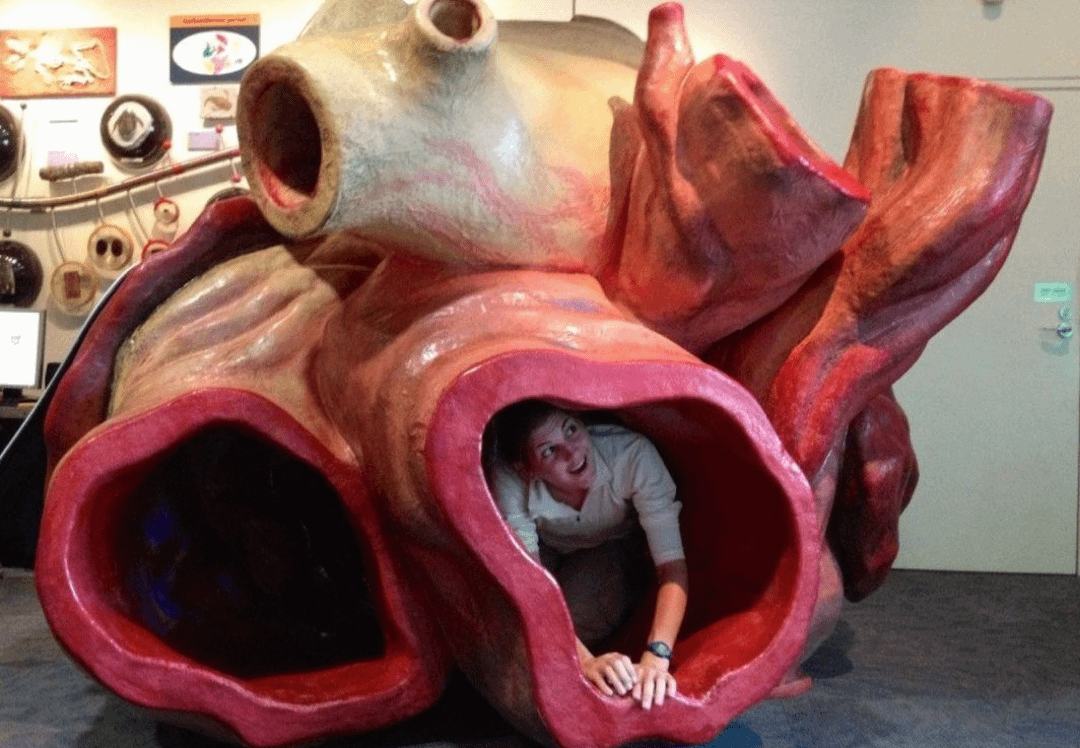
You can crawl through arteries of a blue whale’s heart
Title: Could YOU Crawl Through a Blue Whale’s Heart Arteries? Yes – Here’s Why!
Meta Description: Discover the astonishing size of a blue whale’s heart and why its arteries are so massive humans could crawl through them. Dive into the biology of Earth’s largest creature!
Introduction: The Blue Whale – A Marvel of Nature
The blue whale (Balaenoptera musculus) is the largest animal ever known to exist, dwarfing even the biggest dinosaurs. These gentle giants stretch up to 100 feet long and weigh as much as 200 tons. But their most jaw-dropping feature isn’t just their length—it’s their heart. Imagine an organ so massive you could crawl through its arteries! Let’s explore why the blue whale’s heart is a masterpiece of evolution and how its sheer scale defies belief.
The Blue Whale’s Heart: Size Matters
A blue whale’s heart is roughly the size of a small car, weighing close to 400 pounds (180 kg)—about as heavy as a grand piano. To put this in perspective:
- It’s 5 feet long and 4 feet wide.
- Each heartbeat pumps 60 gallons (220 liters) of blood.
- At rest, its heart beats 5–6 times per minute, but can surge to 30+ beats during deep dives.
But the most mind-bending fact? A human could, theoretically, crawl through its arteries—specifically the aorta, the largest artery.
How Big Are a Blue Whale’s Arteries?
The aorta, which carries oxygenated blood from the heart to the body, measures over 9 inches (23 cm) in diameter in an adult blue whale. That’s wider than most dinner plates!
Why is it so large?
- Blood volume: A blue whale’s body requires over 1,000 gallons of blood to function, necessitating massive vessels to prevent pressure buildup.
- Slow metabolism: Their heart rate and blood flow are optimized for energy conservation during deep, hour-long dives.
- Sheer scale: Pumping blood through a 100-foot body demands highways for circulation—not tiny capillaries.
In 2015, scientists at the Royal Ontario Museum preserved a real blue whale heart, showcasing its aorta’s crawl-worthy scale.
Could a Human Really Fit Inside?
Yes—though with caveats.
- A child or petite adult could physically squeeze through the aorta if it were empty. (No, scientists haven’t tested this—it’s hypothetical!)
- Realistically, the arteries are filled with blood, elastic tissue, and surrounded by muscle. Even preserved specimens lose some flexibility.
Still, the comparison highlights nature’s ingenuity: A heart built to sustain the largest animal on Earth needs Titanic-sized plumbing!
Evolution’s Engineering: Why So Big?
A blue whale’s circulatory system evolved to solve unique challenges:
- Oxygen efficiency: During dives, blood shunts to vital organs (brain, heart) while minimizing oxygen use in muscles.
- Pressure regulation: Massive arteries prevent dangerous blood pressure spikes.
- Thermal control: Blood vessels help retain heat in icy ocean depths.
Fun Facts About Blue Whale Hearts
- “Heartbeat” detected from space: Scientists using satellite tags once recorded a blue whale’s heart rate 2,000 feet underwater—a first!
- Pumping power: Their heart moves 10 tons of blood daily—enough to fill a swimming pool.
- Conservation marvel: Blue whales nearly faced extinction. Today, protected populations slowly rebound, reminding us why Earth’s giants are worth saving.
Conclusion: A Symbol of Nature’s Wonder
The blue whale’s heart isn’t just a biological oddity—it’s a testament to evolution’s ability to craft life in breathtaking scale. Next time you feel small, remember: Inside Earth’s largest creature beats a heart so colossal, you could (almost) explore its arteries.
Want more? Visit museums like Toronto’s ROM to see a preserved heart model, or support ocean conservation groups protecting whales and their habitats. Nature’s grandeur deserves awe—and action.
FAQ Section
Q: How much does a blue whale’s heart weigh?
A: Around 400 pounds (180 kg)—similar to a gorilla or small car!
Q: Can you hear a blue whale’s heartbeat?
A: Yes! Specialized equipment picks up their infrasonic pulses, audible from miles away.
Q: Do blue whales have high blood pressure?
A: Surprisingly, no. Their massive arteries efficiently regulate pressure despite their size.
Target Keywords: Blue whale heart size, crawl through whale artery, largest animal heart, blue whale aorta, whale circulatory system.
Image Suggestion (for blog implementation):
- Royal Ontario Museum’s preserved blue whale heart
- Infographic comparing human/aorta sizes
- Blue whale underwater shot with circulatory overlay
By blending science, wonder, and relatable analogies, this article captures intrigue while prioritizing SEO-rich language to rank for marine biology curiosities.