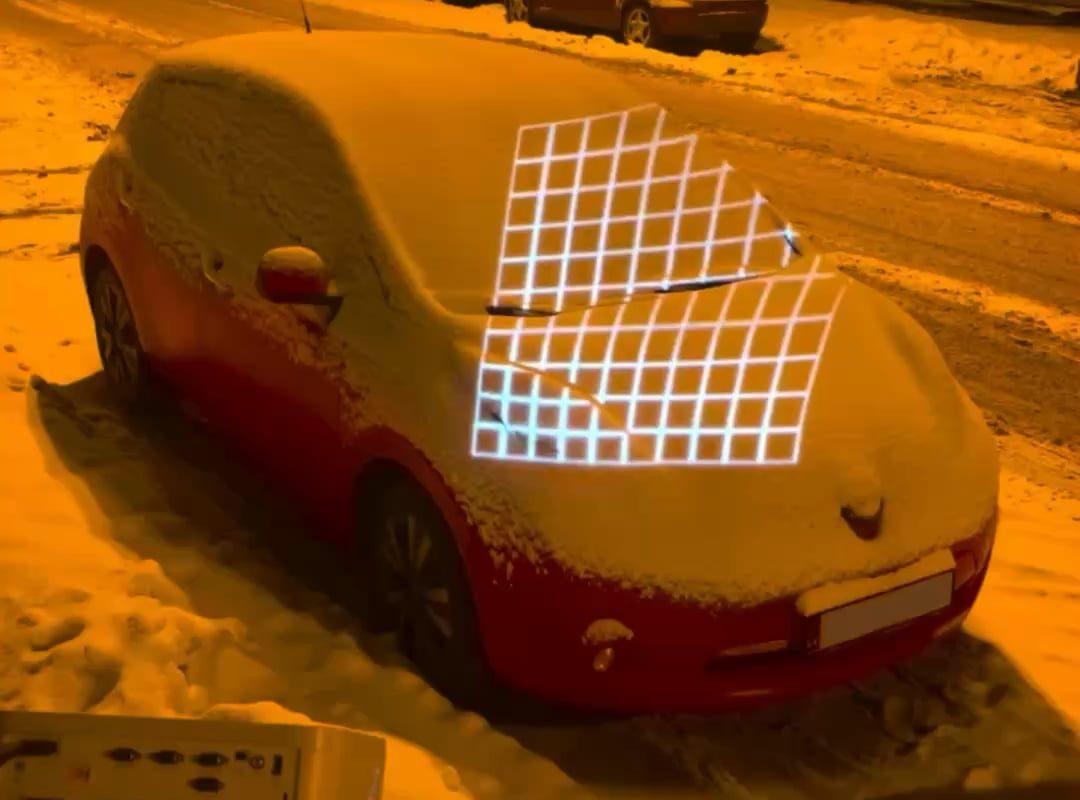
Source: Nikita Merkushin (noizebro)
Unleashing Creativity: The Ultimate Guide to Projection Mapping on a Parked Car
In the ever-evolving world of digital artistry, projection mapping has emerged as a revolutionary tool—transforming ordinary objects into jaw-dropping canvases for immersive storytelling. But what happens when you apply this technology to a parked car? The result? A mesmerizing fusion of light, motion, and automotive innovation that captivates audiences and redefines advertising, events, and artistic expression.
What Is Projection Mapping on a Car?
Projection mapping (also called 3D mapping or video mapping) uses specialized software to project light onto irregular surfaces, creating illusions of movement, depth, and transformation. When applied to a stationary car, it turns the vehicle’s body, windows, and wheels into a dynamic screen. Whether it’s morphing the car into a roaring dragon, animating it with corporate branding, or immersing it in abstract digital art, the possibilities are limitless.
Why Use Projection Mapping on a Parked Car?
-
Unforgettable Branding & Advertising
Imagine a parked car at an event wrapped in swirling galaxy patterns, or one that appears to showcase a product launch in 3D. Brands like Audi and BMW have used this technique to stop crowds in their tracks, blending entertainment with marketing. -
Event & Entertainment Wow Factor
From music festivals to automotive showcases, projection-mapped cars become interactive installations. They can synchronize with live music, respond to audience movement, or tell a visual story tied to the event’s theme. -
Artistic Expression
Artists like Refik Anadol have transformed cars into kinetic sculptures, blurring the lines between technology and design. By projecting AI-generated visuals or data-driven patterns, the car becomes a symbol of innovation. -
Cost-Effective Versatility
Unlike traditional wraps or LED displays, projection mapping requires no permanent modifications. The same car can host multiple campaigns—ideal for trade shows, pop-up events, or experiential marketing.
How Does Car Projection Mapping Work?
To pull off this spectacle, you’ll need:
- High-Brightness Projector(s): 10,000+ lumens for outdoor visibility.
- Mapping Software: Tools like TouchDesigner, Resolume, or MadMapper align the projection to the car’s contours.
- 3D Model of the Car: Ensures accurate calibration for curves, doors, and wheels.
- Creative Content: Custom animations or pre-rendered videos tailored to the car’s dimensions.
Step-by-Step Process:
- Scan the Vehicle: Photograph the car from multiple angles to create a digital twin.
- Content Creation: Design animations that “fit” the car’s shape (e.g., flames licking the hood).
- Calibration: Adjust projections in real-time to avoid distortion.
- Execution: Play synchronized content, often with audio, for a multisensory experience.
Real-World Applications & Examples
- Product Launches: Tesla used projection mapping to unveil features on its Cybertruck, making static cars feel alive.
- Interactive Exhibits: At CES, cars became virtual gaming interfaces where users “drove” through projected worlds.
- Themed Experiences: A parked Volvo transformed into a Viking ship for a historical film premiere.
- Social Media Stunts: A breakup museum in Milan projected crying emojis on cars to promote an exhibit—earning viral shares.
Tips for a Successful Project
- Mind the Environment: Outdoor events require projectors with high brightness (20,000+ lumens) to combat ambient light.
- Test, Test, Test: Rehearse at night to refine alignment and timing.
- Safety First: Secure projectors away from foot traffic and protect wiring.
- Engage Audio: Sync sound effects or music to amplify the impact.
Challenges to Consider
- Surface Complexity: Car curves, mirrors, and chrome can warp projections, demanding precise software adjustments.
- Budget: High-end projectors and skilled designers add costs (projects often start at $5,000+).
- Weather Risks: Rain, wind, or dust may disrupt outdoor setups.
The Future of Automotive Projection Mapping
As AR and AI merge with projection tech, cars won’t just be passive screens—they’ll interact with viewers. Imagine a parked car projecting real-time weather forecasts, personalized ads for passersby, or even transforming into a character from a video game. With innovations like LiDAR scanning and ultra-short-throw projectors, this medium is accelerating toward mainstream adoption.
Conclusion
Projection mapping on a parked car transcends traditional advertising and art, creating a phygital experience (physical + digital) that astounds and engages. Whether you’re a marketer, event planner, or artist, this technique unlocks unparalleled creative potential. Ready to turn heads? It’s time to reimagine what a parked car can do.
Calls to Action:
- Tag a brand that needs this for their next launch!
- Follow us for more cutting-edge tech insights.
Keywords for SEO: projection mapping parked car, 3D car projection, automotive projection mapping, car advertising technology, projection mapping for events, interactive car display, video mapping on vehicles.
By blending technical precision with artistic vision, this guide empowers readers to explore the thrilling world of projection-mapped cars—an innovation where the only limit is imagination. 🚘✨