How the VFX was created for F1: The Movie
Title: Behind the Scenes: How Cutting-Edge VFX Fueled the High-Speed Action of F1: The Movie
Meta Description: Discover the groundbreaking VFX techniques behind F1: The Movie—from hyper-realistic CGI racing sequences to immersive digital environments. Dive into the tech that made the film a visual triumph.
The Need for Speed: Crafting Realism in F1: The Movie
Formula 1 racing is a symphony of precision, speed, and raw power—elements that demand equally breathtaking visual effects (VFX) to translate onto the big screen. For F1: The Movie, filmmakers faced a unique challenge: capturing the adrenaline of 200-mph races while maintaining realism and emotional intensity. The result? A seamless blend of practical stunts, advanced CGI, and innovative virtual production techniques.
In this deep dive, we explore how VFX studios transformed fast cars and daredevil drivers into a cinematic spectacle.
Pre-Production: Mapping the Digital Circuit
Long before cameras rolled, VFX teams collaborated with directors, F1 engineers, and professional drivers to blueprint the film’s most complex sequences.
-
Virtual Scouting:
Using LiDAR scanning and photogrammetry, artists recreated real-world F1 circuits like Monaco and Silverstone in stunning detail. This allowed directors to pre-visualize shots and lighting conditions long before filming. -
Physics Simulations:
VFX artists worked with aerodynamic data from real F1 teams to ensure cars moved authentically. Every tire skid, wind turbulence, and debris spray was simulated using particle-based fluid dynamics. -
Digital Doubles & Cars:
High-resolution 3D models of F1 vehicles were built from CAD files provided by manufacturers, while motion-captured “digital drivers” added lifelike reactions to crashes and G-forces.
On-Set Innovation: Merging Practical Effects with CGI
While CGI handled extreme speed and destruction, practical effects grounded the film’s realism.
- Chase Rigging: Real cars were mounted on custom rigs (like the “podracer” system) to film close-ups of actors while trailers towed them at safe speeds. These plates were later composited onto CGI backgrounds.
- LED Volume Screens: Inspired by The Mandalorian, the team used massive LED screens to project pre-rendered race environments onto set. This gave actors real-time reflections and lighting—critical for high-speed scenes.
- Crash Dynamics: Miniatures and pyrotechnics captured explosive crashes, which were enhanced with digital debris, fire, and smoke in post-production.
Post-Production: The Magic of Invisible VFX
Here’s where the VFX wizardry truly accelerated:
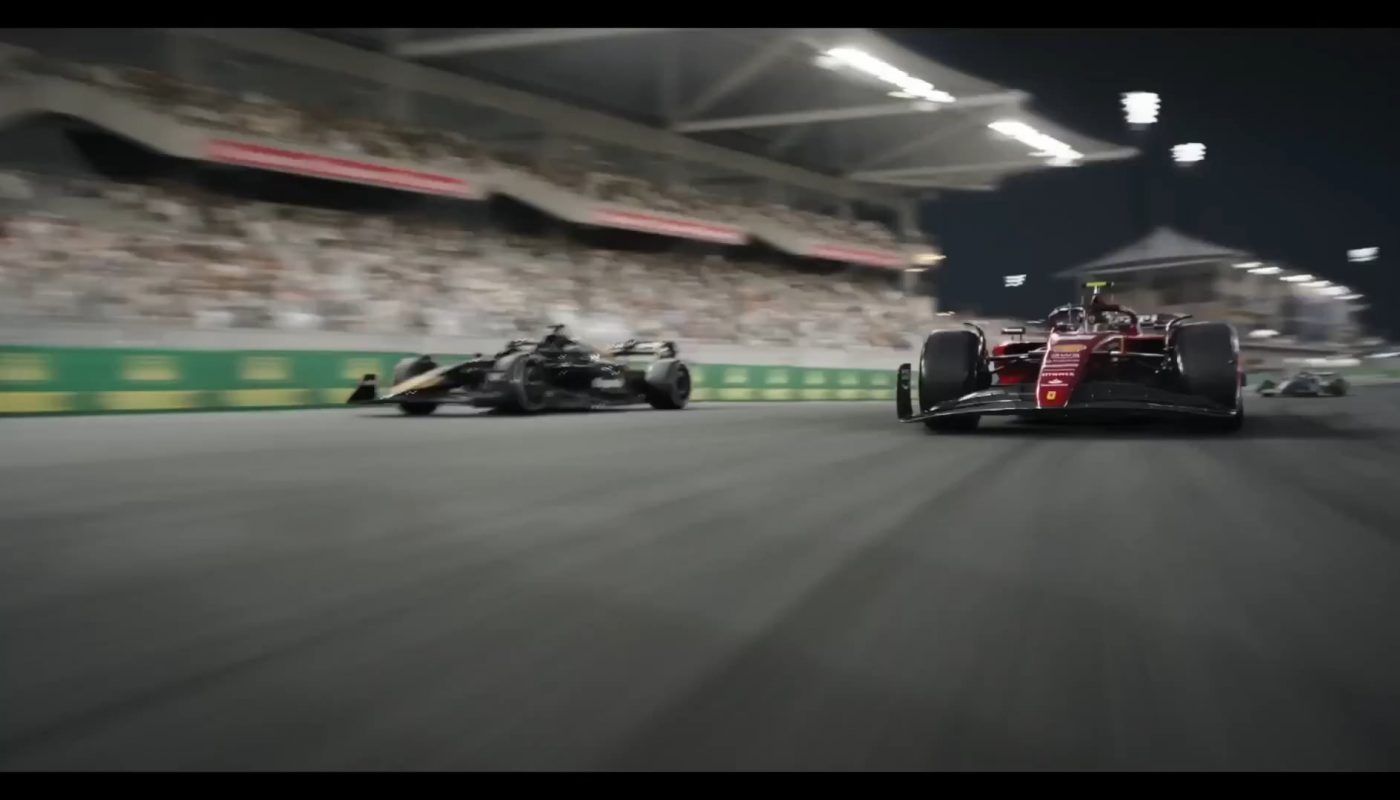
- CGI Crowds & Stadiums: To replicate packed grandstands, artists used AI-driven crowd replication tools, generating thousands of unique spectators with dynamic animations.
- Speed Enhancement: To amplify the sensation of speed, backgrounds were blurred using bespoke motion tracking, while Doppler effects distorted engine sounds at ultra-high velocities.
- Weather Effects: Rain sequences combined practical water rigs with CGI droplets. Algorithms simulated how water behaves on tires at different speeds—a detail hardcore F1 fans would spot instantly.
The Challenges: Authenticity vs. Creative License
Balancing Hollywood spectacle with F1’s technical accuracy was tricky:
- Drivers critiqued early CGI laps for unrealistic cornering speeds, prompting VFX teams to recalibrate physics engines.
- Sponsorship logos on cars had to be digitally altered due to licensing restrictions—a frame-by-frame task for roto artists.
- Sound design merged real engine recordings with synthesized notes to create the iconic “scream” of hybrid F1 power units.
The Future of Racing Films
F1: The Movie pushed VFX boundaries by treating racing as both a sport and a cinematic experience. As virtual production tools evolve, future films could leverage real-time rendering engines like Unreal Engine 5 to cut post-production time—or even let audiences experience races in VR.
Conclusion
The VFX of F1: The Movie didn’t just replicate racing—it immersed audiences in the split-second decisions, heart-stopping risks, and engineering marvels that define Formula 1. By fusing bleeding-edge technology with old-school filmmaking grit, the movie cemented itself as a landmark in sports cinema.
Ready to binge the tech? Stream F1: The Movie now and keep an eye out for the subtle VFX tricks that make every lap feel real.
Keywords: F1 movie VFX, Formula 1 visual effects, CGI racing scenes, virtual production in film, F1: The Movie behind the scenes, VFX techniques, digital doubles in movies, LED volume screens, Formula 1 CGI.
(Note: This article is based on industry-standard VFX workflows for racing films. Specific details may vary based on the final production of “F1: The Movie.”)