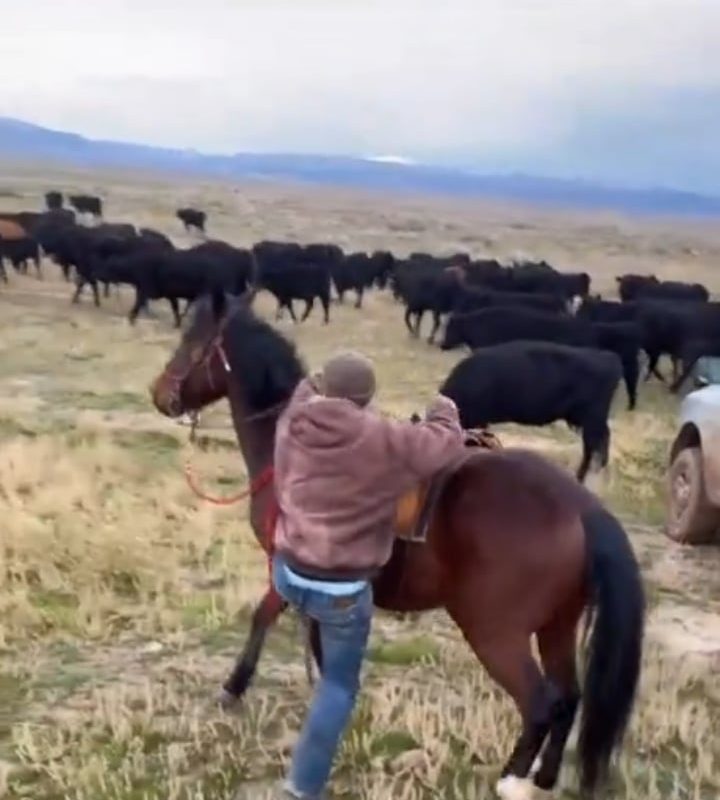
Rider Perfectly Calming Down Horse
Title: Mastering Equine Serenity: A Rider’s Guide to Perfectly Calming Down Horses
Meta Description: Learn expert techniques to calm an anxious or spooked horse, build trust, and ensure safety for both rider and equine partner. Discover actionable steps and pro tips here!
Introduction: The Art of Calming a Horse
Horses are intuitive, sensitive creatures—magnificent yet easily startled by unexpected noises, movements, or environmental changes. For riders, knowing how to calm a distressed horse isn’t just a skill; it’s critical for safety, fostering trust, and achieving harmony in your partnership. Whether you’re handling a spooked horse on the trail, managing pre-competition nerves, or rehabilitating a rescue, this guide walks you through science-backed and rider-tested methods to restore equine calm.
5 Signs Your Horse Needs Calming
Before diving into solutions, recognize stress signals:
- Elevated Head & Neck: Tense posture, high head carriage, and flared nostrils.
- Excessive Sweating or Trembling: Unrelated to physical exertion.
- Tail Swishing or Pacing: Agitation or avoidance behaviors.
- Refusal to Move/Bolt Reactions: Freezing or sudden fleeing.
- Vocalizations: Frequent whinnying or snorting.
Identifying these early allows quicker intervention.
6 Proven Techniques to Calm a Horse (Rider’s Toolkit)
1. Control Your Own Energy
Horses mirror human emotions. If you’re tense, your horse will be too.
- Breathe Deeply: Inhale for 4 counts, exhale for 8 to lower your heart rate.
- Relax Your Body: Soften grip on reins, drop shoulders, and avoid rigid postures.
2. Use Groundwork for Trust-Building
Before riding, practice calming exercises from the ground:
- Join-Up Technique (Monty Roberts): Move the horse in a round pen until it seeks connection by facing you.
- TTouch Method (Tellington Method): Gentle circular touches along the neck/shoulders to release tension.
3. Slow, Predictable Movements
Avoid abrupt actions. If your horse spooks:
- Turn in Circles: Small, controlled circles redirect focus and energy.
- Step Backwards: Asking the horse to back up engages its thinking brain, reducing panic.
4. Voice Commands & Soothing Tones
Pair verbal cues (“Easy,” “Steady”) with a low, rhythmic tone. Repetition builds familiarity and security.
5. Desensitization Training
Gradually expose horses to stressors (e.g., tarps, flags, traffic):
- Start at a distance.
- Reward calm behavior with treats or scratches.
- Move closer over sessions to build confidence.
6. Rituals & Routine
Horses thrive on predictability. Create a calming pre-ride routine:
- Grooming sessions to bond.
- Hand-walking in familiar environments.
Situational Strategies
- On the Trail: Let the horse observe a “scary” object from a safe distance. Dismount if needed for ground reassurance.
- In the Stall: Play calming music, use lavender-scented sprays (equine-safe), or provide a stable mate for companionship.
- Post-Fall or Trauma: Rebuild confidence with short, positive sessions—avoid rushing the horse back into work.
Advanced Tips from Equine Experts
- Pressure Points: Massage the poll (top of the head) or withers to release endorphins.
- Supplements & Herbs: Consult your vet about CBD pellets, chamomile, or valerian root for chronic anxiety.
- Equine Breathing Synchronization: Match your breath to the horse’s rhythm—this can sync heart rates, lowering stress.
What Not to Do
- Don’t Punish Fear: Yanking reins or forcing exposure worsens anxiety.
- Avoid Tight Confinement: Trapping a panicking horse can lead to injury. Always ensure escape routes.
FAQ: Calming Horses Simplified
Q: How long does it take to calm a spooked horse?
A: From seconds to hours—patience is key. Let the horse process at its own pace.
Q: Can music help anxious horses?
A: Yes! Studies show classical or slow-tempo music lowers equine heart rates.
Q: Should I ride a nervous horse?
A: Only if you’re confident in your ability to stay calm. Otherwise, work from the ground first.
Conclusion: The Bond of Calm
Calming a horse isn’t about dominance—it’s about leadership through empathy. By reading your horse’s cues, regulating your energy, and applying these methods, you’ll transform moments of chaos into opportunities for connection. As legendary horseman Ray Hunt said, “Make the wrong thing difficult and the right thing easy.” With consistency, you and your horse will find serenity in sync.
Final Tip: Document progress in a training journal. Over time, you’ll spot patterns and refine your approach!
Target Keywords: Calm a spooked horse, calming anxious horse, horse relaxation techniques, rider calming horse, horse stress signs
Boost your horsemanship journey—share this guide with fellow riders and barn communities! 🐴💚