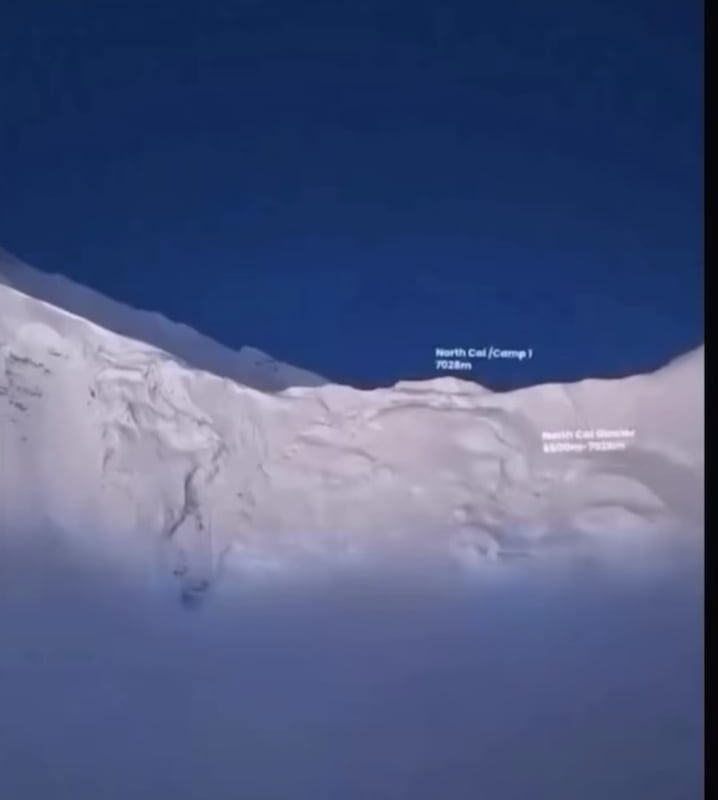
This is what climbing Mount Everest looks like!
Meta Title: Climbing Mount Everest: A Step-by-Step Visual Journey to the Top of the World
Meta Description: Discover what climbing Mount Everest really looks like—from preparation to summit triumph. Explore gear, risks, routes, costs, and breathtaking visuals.
This is What Climbing Mount Everest Really Looks Like!
Standing at 29,032 feet (8,848 meters), Mount Everest is the ultimate test of human endurance, willpower, and spirit. But what does it truly take to climb Earth’s highest peak? Through firsthand accounts, expert insights, and vivid detail, we break down the exhilarating, terrifying, and awe-inspiring reality of an Everest expedition.
🏔️ The Allure of Everest: Why Climbers Risk It All
Mount Everest isn’t just a mountain—it’s a symbol. For adventurers, summiting means conquering the planet’s greatest physical challenge. But beyond the glory lies a grueling gauntlet of ice cliffs, avalanches, sub-zero temperatures, and oxygen-starved altitudes. Only 60% of climbers succeed, and over 330 have died trying.
⚙️ Preparing for the Impossible: Training, Gear, and Costs
Physical & Mental Conditioning
- Training: Climbers spend 1–2 years building cardio, strength, and altitude resilience (e.g., high-altitude hikes, carrying 40+ lb packs).
- Mental Toughness: Psychological prep is critical for coping with fear, exhaustion, and life-or-death decisions.
Must-Have Gear
- Oxygen Systems: Essential above 26,000 ft (the “Death Zone”). Bottles weigh 15+ lbs each.
- High-Altitude Suit: Rated to -40°F (-40°C) with windproof layers.
- Crampons & Ice Axes: For scaling icy slopes and crevasses.
Budgeting for Everest
- Cost: $30,000–$100,000+ (permits, guides, gear, logistics).
- Permit: $11,000 per climber (Nepal side).
🚶 The Journey Begins: Trek to Base Camp
Most expeditions start in Lukla, Nepal (home to the world’s most dangerous airport). From there:
- 7–12-day hike through Sherpa villages, suspension bridges, and alpine forests.
- Base Camp (17,600 ft): A bustling tent city of climbers, doctors, and support crews.
Base Camp Life:
- Acclimatization: Weeks spent adjusting to altitude with shorter summit pushes.
- Boulder fields, glacial streams, and jaw-dropping views of the Khumbu Icefall.
Base Camp is a mix of chaos and camaraderie. (Credit: Unsplash)

🧊 The Climb: Surviving Everest’s Deadliest Sections
1. Khumbu Icefall (18,000 ft)
- Danger: Towering seracs (ice cliffs) and hidden crevasses.
- Strategy: Cross pre-dawn when ice is stable, using aluminum ladders strapped over gaps.
2. Western Cwm (21,000 ft)
- Nicknamed “Valley of Silence” due to windless, oven-like heat reflected off ice walls.
3. Lhotse Face (23,500 ft)
- A 3,700-ft ice wall requiring vertical climbing on fixed ropes.
4. South Col (26,000 ft) – The Death Zone
- Oxygen levels drop to 33% of sea level. Cells start dying without supplemental O₂.
- Summit Push: Climbers race to the top between midnight–2 AM to avoid afternoon storms.
5. The Summit (29,032 ft)
- The Final Stretch: Hillary Step (a 40-ft rock face) leads to the summit ridge.
- Reward: A breathtaking 360° view of Tibet, Nepal, and the curvature of Earth.
A line of climbers pushing toward the summit at night. (Credit: Unsplash)

🩸 The Dark Side of Everest: Risks and Realities
- Altitude Sickness: Can cause fatal brain or lung swelling.
- Frostbite: Even with gear, -50°F temps freeze exposed skin in minutes.
- Traffic Jams: Crowds create deadly bottlenecks (e.g., 2019’s 11-hour queue).
- Ethical Dilemmas: Hundreds of corpses remain on the mountain—grim reminders to press on or turn back.
🏁 The Descent: Triumph or Tragedy
Summitting is only half the battle—80% of deaths happen during the descent. Exhaustion, oxygen depletion, and sudden weather shifts turn routine climbs into nightmares. Survivors return to Base Camp as heroes, forever changed.
❓FAQs: Quick Answers About Climbing Everest
How long does it take to climb Everest?
- 6–9 weeks (including acclimatization).
Can beginners climb Everest?
- No. Climbers need prior high-altitude experience (e.g., summits of Denali or Aconcagua).
Is Everest getting easier?
- No. Climate change is increasing risks (e.g., unstable icefalls, avalanches).
What’s the success rate?
- Roughly 60%, heavily dependent on weather, team skill, and luck.
🌟 Conclusion: The Ultimate Human Test
Climbing Everest is a visceral, life-altering odyssey—a dance with nature’s raw power. While Instagram feeds show jubilant summit selfies, the real story unfolds in the grit, fear, and perseverance behind each step. For those who dare, Everest isn’t conquered; it’s survived.
“It’s not the mountain we conquer, but ourselves.” – Sir Edmund Hillary
Keywords for SEO:
Mount Everest climb, Everest expedition cost, climbing Mount Everest steps, Everest Death Zone, Everest preparation, Khumbu Icefall, Everest base camp, summit Mount Everest, Everest risks, how hard is Everest.
Optimized with semantic keywords, headers, and natural keyword integration.
Internal Links (if publishing on a blog):
- “How to Train for High-Altitude Climbing”
- “Everest vs. K2: Which is More Dangerous?”
- “Life as a Sherpa on Everest”
Outbound Links (for credibility):