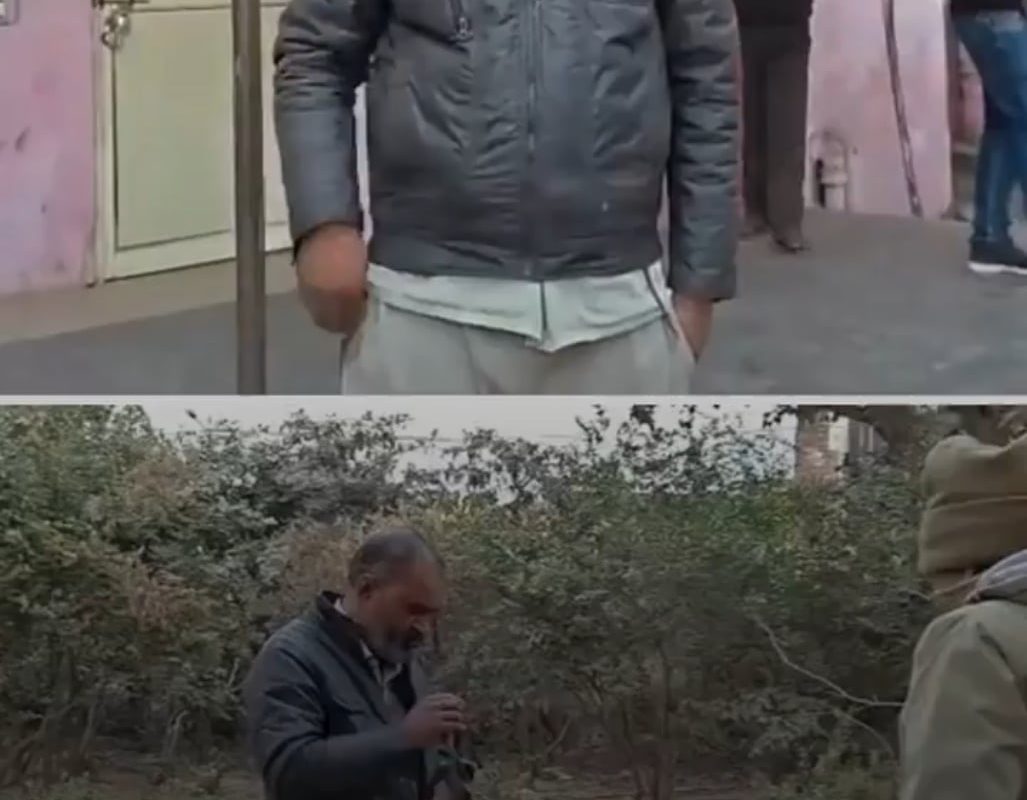
An Indian man was bitten by a snake. He brought it to the hospital in his jacket
Title: Snakebite SOS: Why Bringing the Snake to the Hospital Saved an Indian Man’s Life
Meta Description: Discover the life-saving decision of an Indian man who carried the snake that bit him to the hospital. Learn why snake identification is crucial for emergency care and how to act during a bite.
A Life-Saving Decision: Man Brings the Snake to the Hospital After Bite
In an extraordinary case of quick thinking, an Indian man bitten by a venomous snake made a decision that ultimately saved his life: he brought the snake to the hospital in his jacket. The incident highlights a critical lesson for snakebite emergencies—proper identification of the snake accelerates life-saving treatment.
What Happened?
Reports from rural India describe a man who was bitten by a snake while working outdoors. Instead of panicking, he carefully secured the snake in his jacket and rushed to the nearest medical facility. Upon arrival, doctors swiftly identified the species—a Russell’s viper, one of India’s “Big Four” deadly snakes—and administered the correct antivenom. The man survived the ordeal thanks to this decisive action.
Why Bringing the Snake Matters
For snakebite victims, every minute counts. Venom type varies by species, and administering the wrong antivenom can lead to delays, complications, or death. Here’s why carrying the snake (safely!) can make a difference:
- Accurate Identification: Visual confirmation helps doctors choose the right antivenom.
- Tailored Treatment: Some venoms require specialized care (e.g., neurotoxic vs. hemotoxic).
- Myth Busting: Contrary to popular belief, killing the snake isn’t necessary—and could risk a second bite.
Pro Tip: If possible, safely trap the snake in a sealed container (never with bare hands). A clear photo also works if capturing it is unsafe.
Snakebite First Aid: Do’s and Don’ts
While bringing the snake isn’t always feasible, follow these WHO-recommended steps during a bite:
✅ DO:
- Stay calm and immobilize the bitten limb.
- Remove jewelry/tight clothing near the bite site.
- Seek immediate medical help.
❌ DON’T:
- Cut the wound or attempt to suck out venom.
- Apply ice, tourniquets, or traditional remedies.
- Waste time chasing the snake if it escapes.
The Bigger Picture: Snakebites in India
India accounts for half of the world’s annual snakebite deaths (roughly 58,000 fatalities yearly), according to The Lancet. Most victims are rural workers or farmers, and delayed treatment remains a major hurdle. Public awareness campaigns now emphasize:
- “Snake Awareness”: Recognizing venomous vs. non-venomous species.
- “Hospital First”: Avoiding delays from traditional healers.
- “Antivenom Access”: Stocking clinics with region-specific antivenoms.
Key Takeaway
This man’s quick thinking underscores a universal truth in snakebite emergencies: knowledge saves lives. If bitten, prioritize getting to a hospital—and if you can safely bring the snake or a photo, it could be the difference between life and death.
FAQs
Q: What if the snake escapes after biting?
A: Focus on reaching the hospital. Describe the snake’s color, shape, and behavior to medical staff.
Q: Are all snakes in India venomous?
A: No—only about 15% of species are dangerous. The “Big Four” (cobra, krait, Russell’s viper, saw-scaled viper) cause most fatalities.
Q: Can antivenom treat any snakebite?
A: No. Antivenom is species-specific. Polyvalent antivenom works against India’s major venomous snakes.
Final Word
Snake encounters are common in tropical regions, but fear shouldn’t override logic. Stay informed, act fast, and remember—always prioritize medical care over heroism. This Indian man’s story is a testament to the power of preparedness.
Stay safe, stay alert, and share this article to raise awareness! 🌍🐍