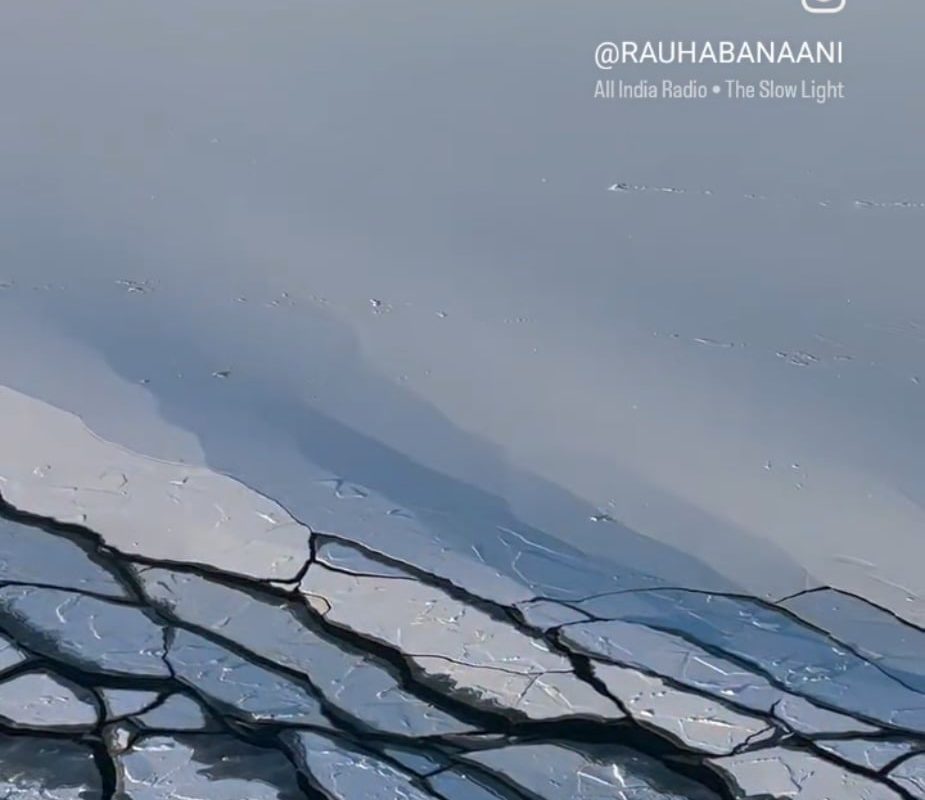
How the waves caused by a ship makes the ice react
Title: Ship Waves & Ice Dynamics: How Vessel-Generated Waves Impact Frozen Waters
Meta Description: Explore how ship waves interact with ice-covered waters, triggering fractures, erosion, and ecological changes—and what this means for Arctic shipping and ecosystems.
Introduction
As polar ice retreats due to climate change, maritime traffic in Arctic and Antarctic waters is rising. Ships navigating these regions generate powerful waves that collide with sea ice, triggering complex physical reactions. Understanding this interaction—ship wave-ice dynamics—is crucial for safe navigation, coastal protection, and preserving fragile polar ecosystems. In this article, we dive into the science behind how ship waves destabilize ice, the factors driving these reactions, and their far-reaching implications.
The Physics of Ship Waves
Before examining ice reactions, it’s essential to understand how ships generate waves:
- Bow & Stern Waves: As a ship moves, it displaces water vertically, creating diverging waves from the bow (front) and converging waves at the stern (rear).
- Wake Patterns: The combined waves form a Kelvin wake, with peaks extending outward at specific angles (typically 19.5° for deep water).
- Energy Transfer: Larger, faster ships produce higher-energy waves that travel farther—sometimes tens of kilometers.
How Ice Responds to Ship Waves
Sea ice is a dynamic, brittle material. When ship waves strike, its reaction depends on ice thickness, strength, and wave energy:
1. Fracturing & Breaking
- Thin Ice (<1 m): Low-energy waves can fracture weak ice sheets into smaller floes. High-energy waves may smash them entirely.
- Thick Ice (>1 m): Waves induce flexural stress, potentially cracking ice over time. This is critical for icebreakers, which use waves to supplement mechanical breaking.
2. Wave-Ice Override
When waves surge beneath ice sheets:
- Ice flexes upward, creating tensional stress on the surface.
- Repeated flexing causes fatigue cracks, even in thick ice.
- In extreme cases, override leads to rafting, where ice slabs collide and pile up.
3. Edge Erosion
Waves erode ice margins, accelerating melt by:
- Increasing surface area exposed to warmer water.
- Scouring sediments that darken ice, reducing albedo (reflectivity).
4. Resonance & Amplification
Ice floes can resonate with wave frequencies, amplifying movement and accelerating fragmentation—similar to how earthquakes crumble buildings.
Key Factors Influencing Ice Reactions
Not all waves affect ice equally. Variables include:
| Factor | Impact on Ice |
|————————-|———————————————————————————|
| Ice Thickness | Thin ice fractures faster; thick ice withstands low-energy waves longer. |
| Wave Height & Period| Tall, steep waves fracture ice faster than long-period swells. |
| Water Temperature | Warmer water weakens ice, making it more vulnerable to waves. |
| Ice Salinity | Saltier ice has lower tensile strength, increasing susceptibility to breakage. |
| Ship Speed/Distance | Faster ships closer to ice generate higher-energy destructive waves. |
Environmental & Navigational Consequences
1. Coastal & Ecological Risks
- Erosion: Waves can destabilize ice-bonded coastlines, threatening Inuit communities and wildlife habitats.
- Habitat Loss: Fractured sea ice disrupts seals, polar bears, and algae that rely on stable platforms.
- Sediment Stir-Up: Agitated sediments harm filter-feeding organisms and reduce light for underwater flora.
2. Shipping Challenges
- Ice Churn: Waves push broken ice into navigation routes, increasing risks for non-ice-strengthened vessels.
- Port Access: Unmanaged fracturing near ports can create unpredictable ice congestion.
3. Feedback Loops
- More open water from ice breakup = larger wave generation = faster ice loss (a climate feedback loop).
Mitigating Wave-Ice Impacts
As polar shipping grows, strategies to minimize damage include:
- Speed Restrictions: Slower ships reduce wave energy near ice.
- Route Optimization: Avoiding sensitive areas like fast ice zones or wildlife corridors.
- Ice-Mapping Tech: Real-time monitoring of ice thickness to guide vessel operations.
- Hybrid Icebreakers: Combining wave-dampening hulls with traditional breaking power.
The Role of Climate Change
Warmer oceans and thinner ice amplify wave impacts:
- Earlier Melt Seasons: Waves penetrate earlier into the year, extending ice-erosion cycles.
- Increased Swell Exposure: Open Arctic Ocean waters now allow swells to travel farther, affecting previously stable ice.
According to a 2022 Nature study, wave heights in the Arctic could rise by 20-30% by 2100, accelerating ice loss.
Future Outlook & Research
Scientists use lab simulations, field sensors, and satellite data to predict wave-ice interactions. Emerging tools like synthetic aperture radar (SAR) map ice flexure in real time. Collaborative efforts like the International Association for Hydro-Environment Engineering (IAHR) Ice Research Committee are formalizing safety standards.
Conclusion: Navigating a Shifting Frozen Frontier
Ship waves are a double-edged sword: they facilitate navigation by breaking ice but also accelerate its destabilization, harming ecosystems and coastal resilience. With Arctic shipping projected to grow 300% by 2050, balancing economic activity with ice preservation requires innovative engineering, strict regulations, and ongoing research into wave-ice dynamics.
Target Keywords: Ship wave-ice interaction, Arctic shipping impact, icebreaking wave physics, sea ice erosion, polar navigation, climate change and ice dynamics, wave-induced ice fracture.
Internal Links (Optional):
- [How Icebreakers Work: Engineering Meets Oceanography]
- [Climate Change and the Future of Arctic Shipping]
- [Coastal Erosion in Polar Regions: Causes & Solutions]
By delving into the unseen forces reshaping polar seascapes, we gain insight into humanity’s role in a rapidly thawing world—and the urgent need for sustainable practices.