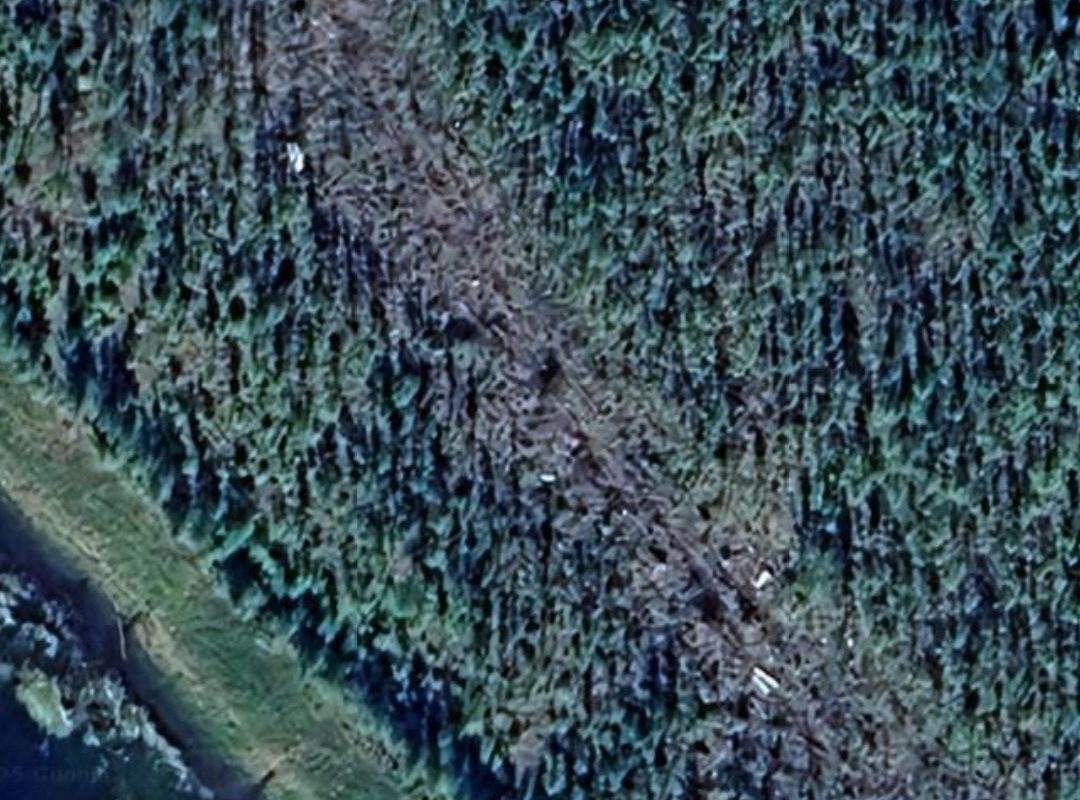
Russian plane crash visible from Google Maps
Russian Plane Crash Site Visible on Google Maps: A Digital Glimpse Into Aviation Tragedy
Title: Russian Plane Crash Visible on Google Maps: Satellite Images Capture Tragedy
Meta Description: Discover how satellite imagery on Google Maps revealed the wreckage of a Russian plane crash. Explore the implications, details, and public reaction to this digital discovery.
Introduction
In our digitally connected world, satellite imagery platforms like Google Maps offer unprecedented access to remote locations—sometimes revealing unexpected and sobering sights. One such case involves the Russian plane crash visible from Google Maps, where the wreckage of a tragic aviation incident became accessible to the public through satellite technology. This article explores the event, its visibility online, and the broader implications of such digital discoveries.
1. The Incident: A Brief Overview
On February 11, 2018, a Saratov Airlines Antonov An-148 passenger plane crashed shortly after takeoff from Domodedovo International Airport near Moscow. All 71 people onboard—65 passengers and six crew members—perished in the accident. Initial investigations pointed to technical failures or human error as possible causes, though icy conditions and a malfunctioning speed sensor were later cited as contributing factors.
2. Satellite Imagery Reveals the Crash Site
Weeks after the crash, eagle-eyed users on Google Maps discovered that satellite images had captured the debris field of the crash site near the village of Argunovo, approximately 80 km southeast of Moscow. The scattered wreckage was visible as:
- Charred fragments of the fuselage.
- Burned vegetation surrounding the impact zone.
- Emergency response vehicles parked nearby.
These images, likely taken by Google’s satellite partners shortly after the crash, provided a haunting reminder of the disaster and showcased the immediacy of modern mapping technology.
3. Why This Visibility Matters
The ability to see such tragic events via platforms like Google Maps raises important questions:
- Digital Documentation: Satellite imagery creates an unintentional but permanent record of disasters, serving as a tool for investigators and historians.
- Public Awareness: Civilians worldwide gain access to real-world contexts of major events, democratizing information.
- Ethical Considerations: Should sensitive crash sites be blurred or edited to respect victims’ dignity? Google often obscures such sites after public reports, but delays can lead to exposure.
4. The Technical Side: How Satellite Imagery Works
Google Maps relies on a combination of satellite imagery, aerial photography, and AI processing to update its visuals. While most images are updated every 1–3 years, areas of high activity (like disaster zones) may be captured sooner due to third-party satellite priorities.
For this crash, satellites likely passed over the site days after the incident, coincidentally documenting the aftermath before cleanup crews had fully cleared the area.
5. Public Reaction & Media Coverage
The discovery of the crash site on Google Maps sparked global interest:
- Social Media Buzz: Users shared coordinates and screenshots, highlighting the power of crowdsourced discovery.
- News Outlets: Reputable sources like The Daily Mail and BBC covered the digital find, amplifying its reach.
- Debates on Privacy: Critics questioned whether such imagery should be automatically displayed without filters for sensitive content.
6. How to Find the Site (If Visible)
Note: Google may have blurred the location since its discovery. At the time of writing, users could locate the site by searching:
- Coordinates: 55.2445° N, 38.8512° E
- Nearby Landmark: Argunovo village, Moscow Oblast
7. Conclusion: Technology’s Role in Documenting Tragedy
The Russian plane crash visible on Google Maps underscores how technology intersects with human tragedy—offering both a tool for awareness and a challenge for ethical oversight. While satellite imagery provides invaluable data for research and accountability, it also forces society to grapple with questions of privacy and respect for victims.
As platforms like Google continue to refine their content policies, this incident serves as a poignant example of the digital age’s double-edged sword.
Keywords for SEO:
Russian plane crash Google Maps, satellite images plane crash, Saratov Airlines crash site, Google Maps tragedy, visible wreckage on map, Antonov An-148 crash, Argunovo plane crash.
Disclaimer: This article aims to inform respectfully. The crash site may no longer be visible as Google updates imagery. Our condolences remain with the victims’ families.