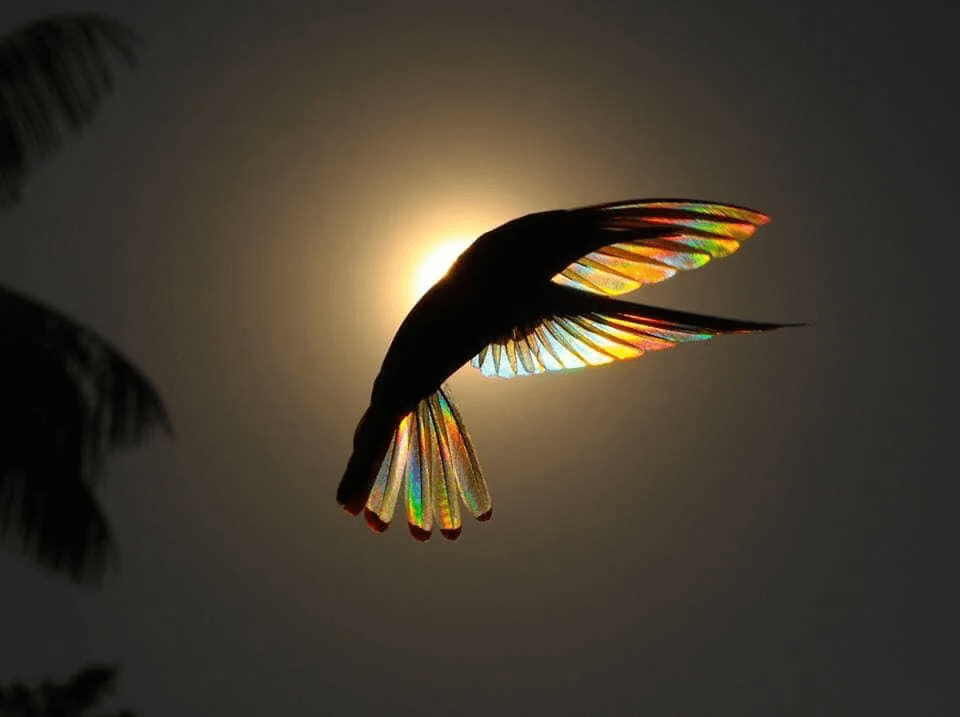
The wings of a hummingbird against the sun
The Wings of a Hummingbird Against the Sun: Nature’s Dazzling Light Show
Few sights in nature rival the breathtaking spectacle of a hummingbird hovering mid-air, its wings whirring like tiny engines as sunlight dances across its iridescent feathers. When these avian acrobats catch the sun just right, their wings transform into shimmering prisms of color, revealing secrets of physics, biology, and evolution. In this article, we explore why hummingbird wings create such a mesmerizing display under sunlight and what it teaches us about these remarkable creatures.
The Science of Shimmer: Why Sunlight Ignites Hummingbird Wings
Hummingbird feathers aren’t just colorful—they’re optical masterpieces. Unlike pigments that absorb light, their wings and throats contain microscopic structures called melanosomes. These prism-like cells refract sunlight, splitting it into vibrant hues that shift with every movement—a phenomenon known as iridescence. When illuminated by direct sunlight, these structures amplify colors like ruby red, emerald green, and sapphire blue, creating an ethereal glow that’s invisible in shade.
Key Takeaway: The “dazzle effect” isn’t random—it evolved for survival. Males use these flashes to attract mates or intimidate rivals, while camouflage in shadows protects them from predators.
Wings in Motion: How Hummingbirds Defy Physics
A hummingbird’s wings beat 50–80 times per second—so fast they blur to human eyes. But when backlit by the sun, slow-motion footage reveals astonishing details:
- Figure-Eight Pattern: Their wings rotate in full circles (unlike other birds), generating lift on both upstroke and downstroke.
- Energy Efficiency: This motion lets them hover, fly backward, and even upside-down—all while sipping nectar.
- Solar Thermals: Sunlight warms their wings, reducing muscle effort in cooler climates.
In sunlight, the transparency of wingtips becomes visible, proving how evolution fine-tuned them for aerodynamic perfection.
The Sun’s Role in Color Communication
Sunlight isn’t just a light source—it’s a hummingbird’s communication tool. Researchers found that males angle their bodies toward the sun during mating dives, maximizing iridescence to outshine competitors. Species like the Ruby-Throated Hummingbird rely on this solar spotlight; without direct light, their famed red throats appear dull black.
Fun Fact: Hummingbirds see colors beyond human vision, including ultraviolet shades invisible to us. The sun’s full spectrum helps them identify flowers, rivals, and mates.
Photographing Hummingbird Wings Against the Sun
For wildlife photographers, capturing hummingbirds in sunlight is the ultimate challenge. Here’s how to nail the shot:
- Timing: Shoot during “golden hour” (sunrise/sunset) when light is soft and directional.
- Backlighting: Position the sun behind the bird to highlight wing translucence and colors.
- High Shutter Speed: Use 1/2000s or faster to freeze wing motion.
- Patience: Focus on feeders or flower patches where hummingbirds hover frequently.
Pro tip: A shallow depth of field (e.g., f/5.6) blurs busy backgrounds, making iridescence pop.
Conservation: Protecting These Flying Jewels
Hummingbirds face threats from habitat loss, pesticides, and climate change. Here’s how to help:
- Plant Native Flowers: Red, tubular blooms like trumpet vine or bee balm provide nectar.
- Avoid Pesticides: These chemicals reduce insect populations—a critical protein source.
- Support Reforestation: Migratory species like the Rufous Hummingbird rely on intact forests.
Their survival ensures future generations can witness the magic of sunlight on hummingbird wings.
FAQs: Hummingbird Wings and Sunlight
Q: Why do hummingbirds shimmer green or purple in the sun?
A: Iridescence is structural, not pigment-based. Light refracts differently based on feather angles and melanosome layers.
Q: Can hummingbirds fly in direct sunlight without overheating?
A: Yes! They seek shade periodically and dissipate heat through rapid breathing and exposed skin.
Q: How fast does a hummingbird’s heart beat while flying?
A: Up to 1,260 beats per minute—fueling their high-energy lifestyle.
Conclusion: A Dance of Light and Life
The wings of a hummingbird against the sun are more than a visual marvel—they’re proof of nature’s ingenuity. From aerodynamic genius to solar-powered color displays, these tiny birds teach us about resilience, beauty, and ecological interconnectedness. Next time you spot a hummingbird glowing like a jewel in sunlight, remember: you’re witnessing millions of years of evolution in flight.
Meta Description: Discover why hummingbird wings ignite like rainbows in sunlight! Explore the science, photography tips, and conservation of nature’s dazzling aerial acrobats.
Target Keywords: hummingbird wings sun, iridescent feathers, hummingbird flight mechanics, bird photography tips, hummingbird adaptations.
Optimize this article further by linking to authoritative sources (e.g., Cornell Lab of Ornithology) and embedding high-quality images/videos of hummingbirds in sunlight. 🔍✨