Garbage management in Venice
Title: Venice’s Waste Management System: How the Floating City Tackles Trash
Meta Description: Discover how garbage management in Venice works in a car-free city of canals. Explore challenges, solutions, and sustainability efforts to keep the UNESCO site clean.
URL Slug: garbage-management-venice-italy
The Unique Challenge of Garbage Management in Venice
Venice, Italy’s mesmerizing Floating City, captivates millions of tourists yearly with its historic canals, gondolas, and Gothic architecture. Yet behind its romantic facade lies a complex garbage management system designed to address a unique challenge: waste collection in a car-free, water-bound metropolis. With no roads or landfills nearby, Venice relies on an intricate combination of boats, manpower, and recycling initiatives to keep its fragile ecosystem clean. Here’s how Venice manages its waste while protecting its UNESCO World Heritage status.
Venice’s Waste Collection System: No Trucks, Just Boats
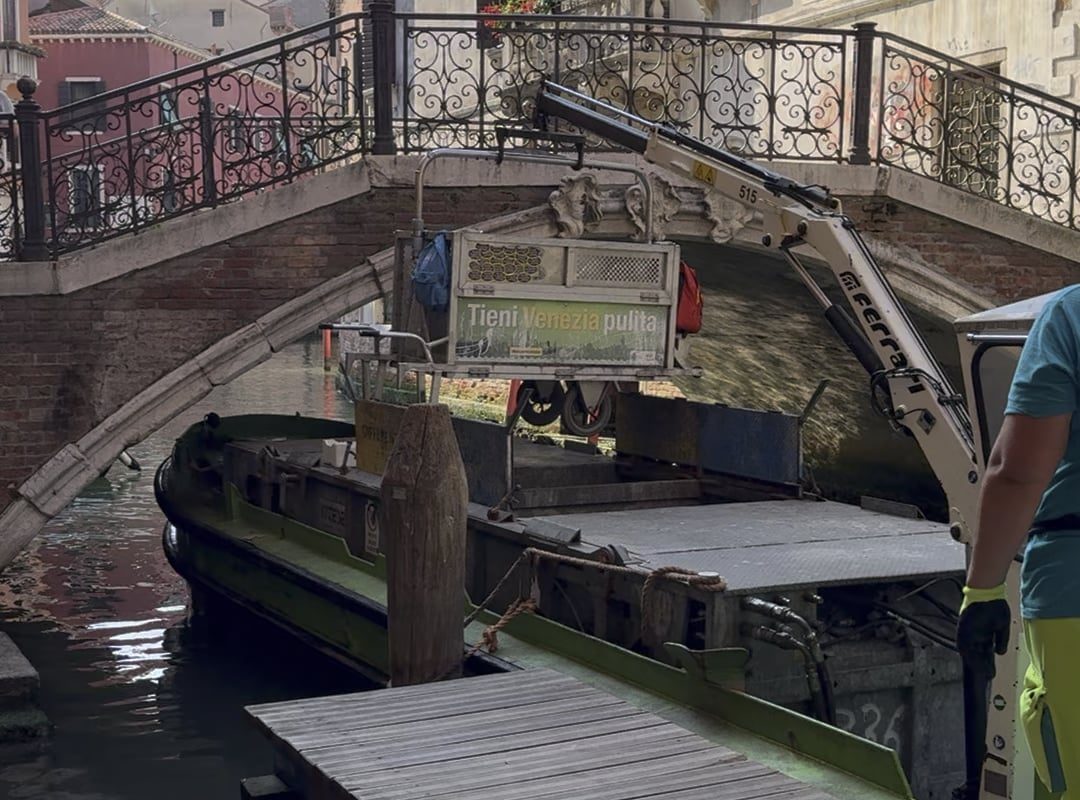
Unlike most cities, Venice cannot rely on garbage trucks. Instead, specialized waste-collection boats, known as pontoon boats or vaporettos, navigate the canals to collect trash from designated points. These boats are equipped with compactors and compartments for sorting recyclables.
-
Residential Collection:
Waste is deposited by residents into color-coded bins for paper, plastic, glass, and organic waste. Teams manually transfer bags from canal-side collection points onto boats during early morning hours. -
Tourist Hotspots:
High-traffic areas like Piazza San Marco use discreet underground containers to minimize visual clutter. Maintenance crews work overnight to empty them before crowds arrive. -
Manual Labor:
Narrow calli (alleys) are inaccessible to machinery, requiring workers to move waste by hand or cart to central collection points.
Key Challenges in Venice’s Waste Management
-
Tourist Impact:
Venice receives over 25 million visitors annually, generating vast amounts of waste. Disposable packaging, plastic bottles, and food containers strain disposal systems, especially during peak seasons. -
Limited Space & Infrastructure:
With no room for landfills on its islands, Venice ships most waste to the mainland. The primary facility, VEGA Park, handles incineration and recycling but relies on timely boat transport. -
Water Pollution Risks:
Litter tossed into canals threatens marine life and clogs drainage systems, worsening flooding during acqua alta (high tides). Plastic waste is a growing concern, prompting cleanup initiatives. -
High Operational Costs:
Manual collection and boat logistics make Venice’s waste management three times costlier per ton than land-based cities.
Sustainability Efforts & Innovations
Venice is prioritizing eco-friendly waste solutions to protect its delicate environment:
-
Plastic-Free Campaigns:
Venice banned single-use plastics in 2022 for public events and markets. Tourists are encouraged to use water fountains (fontanelle) to refill bottles. -
Recycling & Education:
Over 53% of municipal waste is recycled, with strict separation protocols. Residents receive tax incentives for proper disposal, while hotels partner with initiatives like Venice Calls for circular waste practices. -
AI-Powered Bins:
Smart bins with sensors alert operators when full, optimizing collection routes and reducing overflow. -
Environmental Partnerships:
NGOs like Clean Venice organize volunteer canal cleanups, while the Blue Venice Project monitors water quality in real time.
How Tourists Can Help
Travelers play a crucial role in Venice’s waste management strategy:
- Use Public Bins Responsibly: Separate waste into marked containers.
- Avoid Single-Use Plastics: Carry reusable bottles and bags.
- Join Cleanup Events: Organizations like Plastic Free Venice welcome volunteers.
The Future of Waste in Venice
The city is investing in long-term solutions, including:
- Enhanced Recycling Facilities: Expanding capacity for organic waste conversion.
- Zero-Waste Goals: Aligning with EU circular economy targets by 2030.
- Tourist Tax Funds: Revenue from day-trip fees funds waste infrastructure upgrades.
Conclusion
Garbage management in Venice is a remarkable feat of logistics and sustainability. Balancing tourism, heritage preservation, and environmental protection, the city continues to innovate to keep its canals and streets clean. By supporting local efforts, visitors and residents alike can ensure Venice remains a thriving wonder for centuries to come.
SEO Optimization Tips
- Keywords: “Venice garbage disposal,” “Venice waste collection system,” “sustainability in Venice,” “recycling in Venice,” “Venice plastic ban.”
- Internal Links: Connect to articles about Venetian tourism, acqua alta, or Venice’s UNESCO status.
- Meta Tags: Use location-specific tags like “Venice, Italy,” “Venetian Lagoon.”
- Image Alt Text: “Garbage boats in Venice canals,” “Venice recycling bins.”
Boosting awareness of Venice’s waste challenges isn’t just practical—it’s vital to saving a city battling overtourism and climate change. Share this guide to spread the word! 🛶♻️