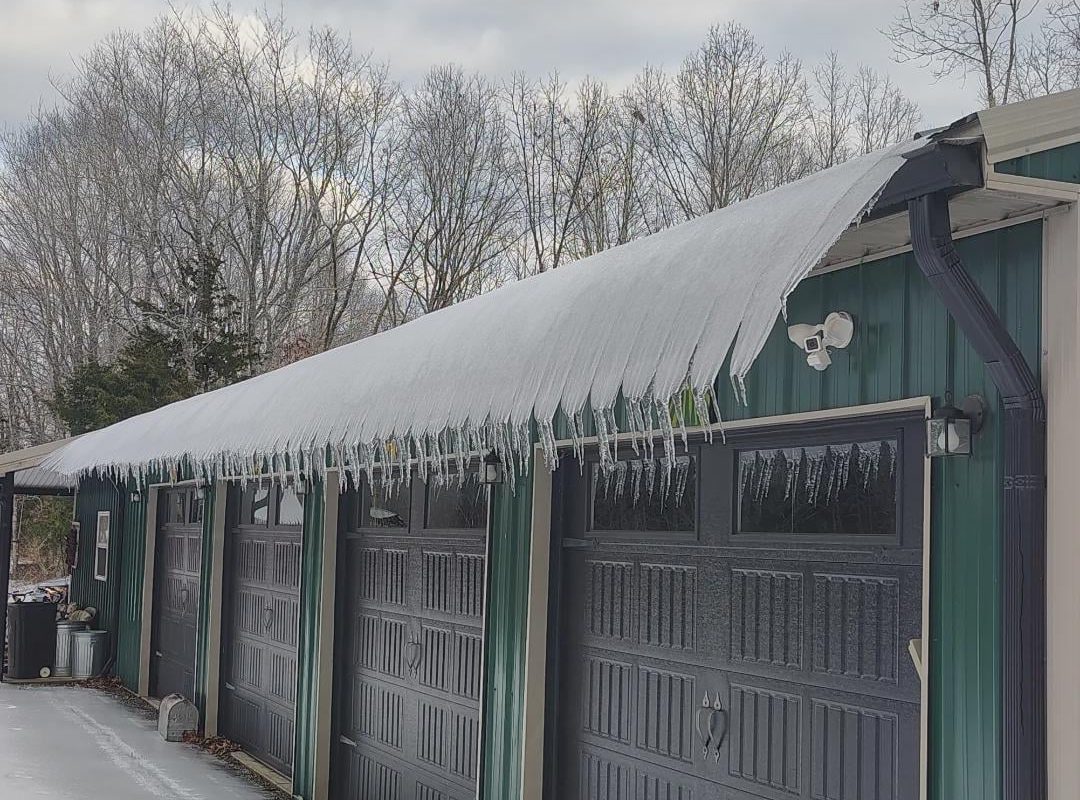
The way these icicles formed on this roof
Title: The Fascinating (and Dangerous) Science Behind Icicle Formation on Roofs
Meta Description: Discover how icicles form on your roof, why they’re more than just a winter wonder, and how to prevent ice dams that damage homes.
The Science Behind Icicle Formation on Roofs: Beauty, Danger, and Prevention
Icicles glistening from rooftops are a hallmark of winter’s beauty, but they’re also a sign of potentially costly problems for homeowners. While they may look like nature’s decorative frosting, icicle formation often signals poor insulation, ventilation issues, or even structural risks. Let’s explore how these icy spears form, why they’re a hazard, and how to prevent dangerous ice buildup on your roof.
How Do Icicles Form on Roofs?
Icicles aren’t random winter decorations—they’re the result of a precise chain of events involving heat, snow, and freezing temperatures:
- Snow Accumulation: A layer of snow blankets the roof.
- Heat Escape: Warm air from your home rises into the attic and heats the roof’s underside, melting the bottom layer of snow.
- Snowmelt Runoff: Meltwater trickles down the roof toward the colder eaves (edges) or gutters.
- Refreezing: When this meltwater hits the unheated overhang of the roof (or clogged gutters), it refreezes, forming a dam of ice.
- Icicle Growth: New meltwater flows over this dam, freezes at the tip, and creates icicles that grow longer with each thaw-freeze cycle.
Key Takeaway: Icicles often indicate an ice dam—a ridge of ice that traps meltwater, forcing it under shingles where it can cause leaks and structural damage.
Why Icicles Are a Warning Sign
While picturesque, icicles hint at underlying issues:
- Ice Dams: The main culprit behind icicles, ice dams damage roofs, gutters, and interiors.
- Attic Insulation Problems: Heat escaping from your home melts snow unevenly, creating ideal conditions for ice dams.
- Gutter Blockages: Frozen debris in gutters can worsen icicle formation.
- Safety Hazards: Falling icicles can injure people or damage property.
3 Factors That Make Icicles Worse
- Poor Attic Insulation: Allows heat to rise and melt snow prematurely.
- Inadequate Ventilation: Traps warm air under the roof deck.
- Temperature Fluctuations: Repeated thawing and freezing cycles accelerate icicle growth.
How to Prevent Icicles and Ice Dams
1. Improve Attic Insulation
- Ensure your attic floor is well-insulated (R-value of 30–50) to minimize heat loss.
- Seal gaps around pipes, vents, and chimneys to block warm air leaks.
2. Boost Roof Ventilation
- Install soffit and ridge vents to keep the roof deck cold and uniform in temperature.
- Balanced airflow prevents localized snowmelt.
3. Clear Snow from Your Roof
- Use a roof rake to remove fresh snow (avoid damaging shingles).
- Never climb onto an icy roof—hire professionals for deep snow removal.
4. Install Heating Cables
- Electric heat cables (zigzagged along eaves) can melt ice dams before they form.
- Use as a last resort—they don’t fix the root insulation/ventilation issues.
5. Clean Gutters & Downspouts
- Clear debris in fall to prevent blockages that trap meltwater.
When Are Icicles an Emergency?
Call a professional if:
- Water stains appear on ceilings/walls (sign of interior leaks).
- Gutters are bent or detached from ice weight.
- Icicles exceed 2–3 feet, posing falling risks.
FAQ: Icicle Formation on Roofs
Do icicles mean my roof is bad?
Not necessarily, but they can signal insulation gaps or ventilation flaws. Persistent icicles warrant an inspection.
Can I knock icicles off my roof?
No! Breaking them may damage gutters or shingles. Let them melt naturally or call a pro for safe removal.
What temperature causes icicles?
Daytime thaws (above 32°F) followed by nighttime freezes (below 32°F) create ideal conditions.
Conclusion: Stay Safe and Proactive
While icicles add a frosty charm to winter landscapes, they’re nature’s way of hinting at your roof’s health. Address heat loss and ventilation issues early to prevent ice dams, leaks, and costly repairs. When in doubt, consult a roofing specialist for an energy audit to winter-proof your home. After all, the best icicle is the one that never forms.
Keywords for SEO:
icicle formation, roof ice dams, prevent icicles on roof, attic insulation, roof ventilation, ice dam removal, winter roof damage, frozen gutters, snowmelt refreezing, heat cables for roofs