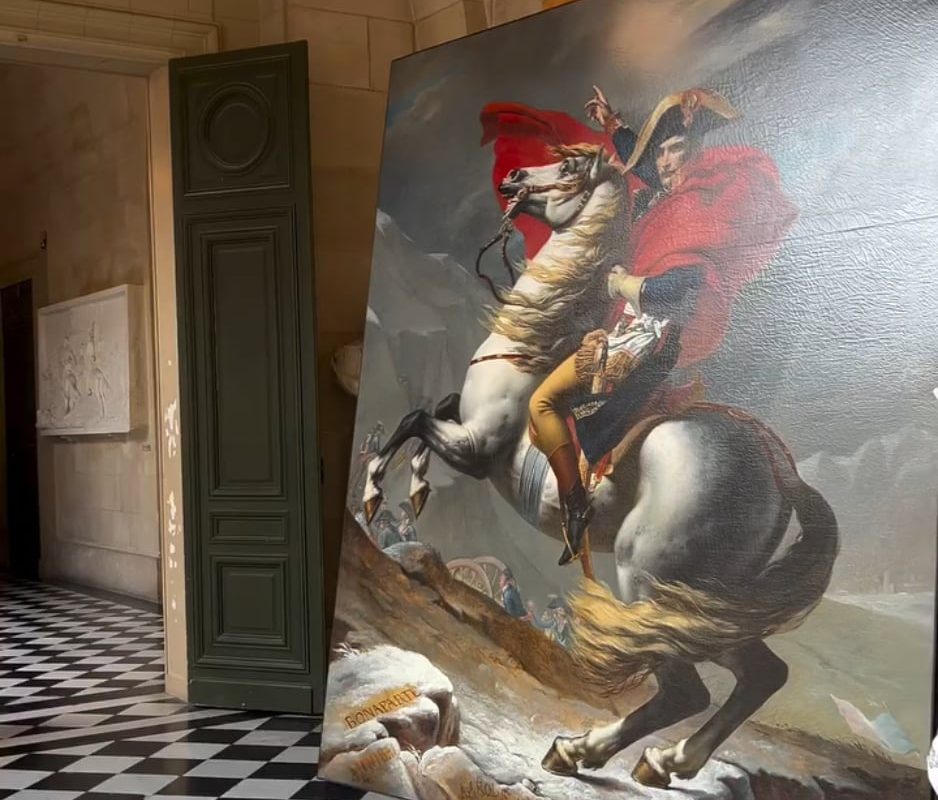
How a masterpiece is placed back after restoration
Title: Behind the Scenes: The Intricate Process of Placing a Masterpiece Back After Restoration
Meta Description: Discover the meticulous steps museums take to return restored masterpieces to display—from transportation to environmental controls and public unveiling.
Introduction
The restoration of a priceless artwork is only half the battle. Once conservators complete their painstaking work, the equally delicate task of returning the masterpiece to public view begins. This logistical ballet—combining science, artistry, and protocol—ensures the artwork’s longevity and preserves its legacy. Here’s how museums orchestrate this critical final act.
1. Pre-Placement Planning: Coordination Is Key
Before moving the artwork, conservators, curators, and collections managers collaborate on a detailed plan:
- Timing: Scheduling low-traffic hours to minimize risks during transport.
- Route Mapping: Pre-determining pathways free of obstacles, stairs, or tight corners.
- Security Protocols: Arranging for secure transport and temporary gallery closures.
- Condition Assessment: Documenting the artwork’s post-restoration state to ensure no new damage occurs during handling.
2. Transportation: Safeguarding the Artwork
Even short distances pose hazards. Teams use specialized equipment:
- Custom Crates: Shock-absorbing, climate-controlled cases tailored to the artwork’s dimensions.
- Climate-Controlled Vehicles: Maintain stable humidity and temperature to prevent material stress.
- Trained Handlers: Experts use gloves, carts, and hydraulic lifts to avoid vibrations or jostling.
3. Gallery Readiness: Perfecting the Environment
Before reinstalling, the display environment undergoes rigorous calibration:
- Climate Control: Adjusting temperature (often 68–72°F) and humidity (40–55% RH) to match conservation standards. Sensors and hygrometers monitor these in real-time.
- Lighting: Installing UV-filtered LEDs to prevent fading. Light levels are measured in lux (e.g., 50 lux for sensitive watercolors).
- Security Upgrades: Testing alarm systems, case locks, or earthquake-proof mounts.
4. Installation: Precision Meets Protocol
The physical placement demands expertise:
- Specialized Mounting: Using inert, non-corrosive materials (e.g., acrylic brackets or stainless steel) to avoid chemical reactions.
- Team Coordination: Conservators guide installers to ensure no pressure points or stress on fragile areas.
- Alignment Verification: Laser levels and measuring tools confirm precise positioning, especially for large or heavy pieces.
5. Post-Installation Documentation
Every step is recorded for future reference:
- Photographic Evidence: Capturing the installed artwork’s condition and placement.
- Updated Records: Logging environmental data, handling notes, and security updates in the museum’s database.
- Condition Reporting: Establishing a post-installation baseline to monitor changes over time.
6. Public Unveiling: Celebrating Conservation
Many museums turn reinstalments into educational events:
- Press Previews: Allowing media to spotlight the restoration’s success.
- Educational Programs: Tours or lectures explaining the restoration’s impact.
- Digital Outreach: Sharing time-lapse videos or interactive content to engage virtual audiences.
Conclusion: Why This Process Matters
Returning a masterpiece to its gallery isn’t just logistical—it’s an act of cultural stewardship. Each precaution honors the artist’s vision and ensures future generations can experience the work in its revitalized glory. Behind the scenes, science and tradition unite to protect humanity’s shared heritage, one meticulous step at a time.
SEO Keywords:
Art restoration process, museum conservation, artwork transportation, reinstalling restored masterpiece, environmental controls for art, conservation framing, cultural heritage preservation, museum security protocols, gallery installation, public art unveiling.
Call to Action:
Interested in seeing restored masterpieces in person? Visit your local museum’s website to explore current exhibitions or virtual tours celebrating art conservation!
By blending technical detail with engaging storytelling, this guide demystifies a rarely seen process—appealing to art lovers and professionals alike while optimizing for search visibility.