Carving Chess Pieces on an Automated Lathe
The Future of Precision Crafting: Carving Chess Pieces on an Automated Lathe
Chess is a game of strategy, artistry, and tradition, with handcrafted chess pieces often revered as heirlooms. Historically, carving chess sets required the skilled hands of master woodturners—a time-consuming and labor-intensive process. Today, automated lathes, particularly CNC (Computer Numerical Control) machines, are revolutionizing chess piece production, combining precision with scalability. In this guide, we’ll explore how automated lathes create stunning, consistent chess pieces, ideal for hobbyists, manufacturers, or artisans looking to elevate their craft.
Why Use an Automated Lathe for Chess Piece Carving?
Automated lathes bring speed, repeatability, and intricate detail to woodworking. Here’s why they’re transforming chess piece manufacturing:
-
Ultimate Precision
CNC lathes follow digital designs down to fractions of a millimeter, ensuring symmetrical pawns, knights, bishops, and queens. This is critical for tournament-grade sets, where uniformity impacts gameplay. -
Time and Cost Efficiency
A single programmed design can produce hundreds of identical pieces in a fraction of the time required for hand-carving. This lowers production costs for commercial sellers while retaining artisanal quality. -
Design Flexibility
Easily switch between designs—from classic Staunton sets to custom themes—by uploading new CAD files. No need for manual re-tooling! -
Material Versatility
Automated lathes work with wood (e.g., ebony, boxwood, maple), acrylic, resin, and even metal, enabling unique, durable chess sets.
Step-by-Step: How Automated Lathes Carve Chess Pieces
1. Designing the Pieces
- Start with a 3D CAD model of the chess piece (e.g., .STL or .DXF files). Software like AutoCAD or Fusion 360 allows for intricate detailing, such as the knight’s mane or the rook’s crenellations.
- Pro Tip: Reference classic designs like the Staunton set for tournament compliance or experiment with fantasy themes.
2. Material Preparation
- Secure cylindrical stock (wood, resin blanks, etc.) into the lathe’s chuck. Ensure the material is free of defects and properly aligned.
- For wood, stabilize softer varieties (like pine) with sanding sealant to reduce tear-out.
3. Programming the CNC Lathe
- Import the CAD file into CAM (Computer-Aided Manufacturing) software.
- Set machining parameters:
- Spindle Speed: 1,500–3,000 RPM for hardwood; slower for metals.
- Feed Rate: Adjust based on material hardness and tooling.
- Tool Selection: Carbide cutters for clean edges; ball-nose bits for curved surfaces.
4. The Carving Process
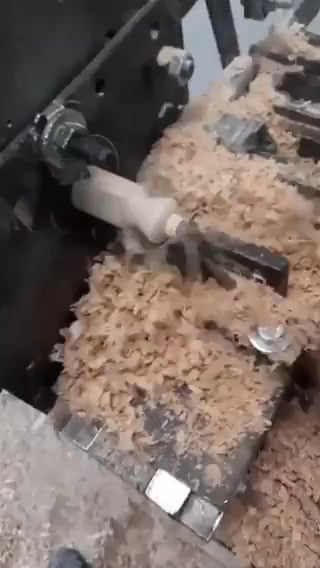
- The lathe rotates the material while a cutting tool shapes it according to the programmed design.
- Key Steps:
- Roughing: Removes bulk material quickly.
- Finishing Passes: Achieve smooth surfaces and fine details.
- Parting Off: Cuts the finished piece from the stock.
5. Post-Processing
- Sanding: Use fine-grit sandpaper (up to 400 grit) to eliminate tool marks.
- Finishing: Apply wood oil, wax, or lacquer for protection and shine. Metal or resin pieces may require polishing.
Top Materials for Machine-Carved Chess Pieces
Choose materials that balance aesthetics, durability, and ease of machining:
-
Woods:
- Boxwood: Traditional, pale, and fine-grained.
- Ebony: Dense, dark, and luxurious (requires sharp tools).
- Maple/Walnut: Affordable and contrast well in two-tone sets.
-
Synthetics:
- Acrylic: Vibrant colors, lightweight, and weather-resistant.
- Corian: Mimics stone; ideal for modern sets.
- Resin: Customizable with embedded colors or effects.
-
Metal:
- Aluminum or brass for high-end, weighted pieces.
Design Tips for Automated Chess Piece Production
- Simplify Complex Geometries: Avoid undercuts that CNC lathes can’t reach; design knights or bishops in two halves to glue later.
- Standardize Sizes: Follow FIDE guidelines for tournament pieces (e.g., king height: 3.75–4.5 inches).
- Batch Production: Carve multiple identical pieces in one run to minimize waste.
Automation vs. Artistry: Bridging the Gap
While automated lathes excel at replication, they don’t eliminate the artisan’s role:
- Hand Detailing: Use manual tools to add unique textures or signatures post-carving.
- Custom Finishes: Staining, engraving, or inlays personalize machine-made pieces.
- Hybrid Workflows: Combine CNC roughing with hand-carved final touches for bespoke sets.
Conclusion: Elevate Your Chess Set Game with Automation
Automated lathes make high-quality chess piece carving accessible, whether you’re a small workshop or a large manufacturer. By leveraging CNC precision, you can produce flawless, durable sets at scale without sacrificing artistry. Start by experimenting with simple designs and materials, then scale up to intricate masterpieces that chess enthusiasts will treasure.
Ready to create? Invest in a CNC lathe or partner with a machining service to bring your chess set vision to life—fast, consistent, and stunning.
Keywords for SEO:
Automated lathe chess pieces, CNC chess set carving, machine-carved chess pieces, custom chess piece manufacturing, CNC wood lathe projects, how to make chess pieces automated, Staunton set CNC design, best wood for chess pieces.
Meta Description:
Discover how automated lathes revolutionize chess piece carving! Learn step-by-step CNC techniques, material tips, and design strategies for flawless, tournament-ready chess sets.