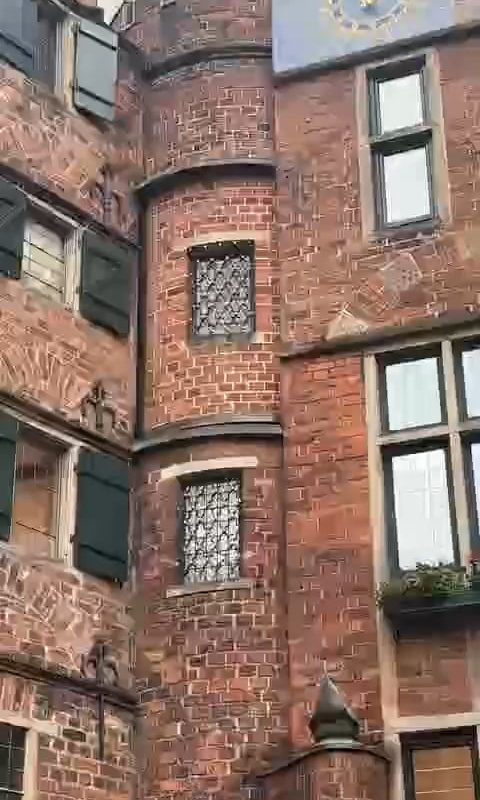
The Glockenspiel House in Bremen, Germany, an iconic building dating back to the 1930s.
Meta Description: Discover the enchanting Glockenspiel House (Glockenspielhaus) in Bremen, Germany, a historic 1930s landmark famous for its melodic carillon bells and timeless architectural charm.
The Glockenspiel House in Bremen: A Melodic Gem of German History
Tucked into the vibrant streets of Bremen’s Altstadt (Old Town) stands the Glockenspiel House (Glockenspielhaus), a captivating architectural treasure that has charmed visitors since the 1930s. This iconic building is not just a feast for the eyes—its glockenspiel (carillon) fills the air with music daily, weaving history, culture, and artistry into Bremen’s urban fabric. In this article, we explore the Glockenspiel House’s fascinating past, architectural details, and tips for experiencing its magic firsthand.
A Brief History of the Glockenspiel House
The Glockenspiel House was built in 1934 during a transformative era for Bremen. Designed by architect Ludwig Beermann, it embodies the functional yet elegant Art Deco and New Objectivity styles popular in pre-war Germany. Originally named the Haus des Glockenspiels, it was commissioned by the local coffee merchant Ludwig Roselius, founder of the renowned Kaffee Hag brand and a patron of Bremen’s cultural revival.
Its 30 Meissen porcelain bells were installed in 1934, making it one of Europe’s earliest glockenspiel structures. Although damaged during World War II, the bells were lovingly restored in 1954, ensuring their timeless melodies still resonate today.
Architectural Highlights: Art Deco & Maritime Flair
The Glockenspiel House is renowned for its striking design:
- Facade: A cream-colored brick exterior adorned with nautical motifs, reflecting Bremen’s maritime heritage.
- Clocktower: The central tower houses the glockenspiel bells and features a gilded rotating disc with figurines representing Bremen’s tradespeople, merchants, and explorers.
- Carvings & Sculptures: Look for symbolic details like seahorses, ships, and Bremen’s coat of arms, celebrating the city’s identity as a Hanseatic trading hub.
The building seamlessly blends modernist simplicity with romantic historicism, making it a standout landmark against Bremen’s medieval backdrop.
The Glockenspiel: Bremen’s Musical Heart
The 30-bell carillon is the soul of the building. Created by the famed Meissen porcelain factory, it plays traditional German folk tunes, maritime melodies, and seasonal classics.
When to Listen:
- Performances: Daily at 12 p.m., 3 p.m., and 6 p.m.
- Extended Shows: During Bremen’s Christmas Market (November–December), hourly performances amplify the festive spirit.
As the music plays, the tower’s rotating figurines “act out” scenes of Bremen’s mercantile history—a delightful spectacle for all ages.
Visitor Tips: How to Experience the Glockenspiel House
- Timing is Key – Arrive 5–10 minutes before showtimes to secure a prime viewing spot.
- Combine with Nearby Attractions – The Glockenspiel House is steps from the Bremen Town Musicians statue, the UNESCO-listed Rathaus (Town Hall), and the medieval Schnoor Quarter.
- Photo Ops – Capture the building’s facade against Bremen’s cobblestone streets in golden-hour light.
- Guided Tours – Join a walking tour of Bremen’s Old Town to learn about the glockenspiel’s history and restoration.
Did You Know? The Glockenspielhaus now houses offices and shops, but visitors can admire its exterior and performances freely.
Why the Glockenspiel House Matters
The Glockenspiel House is more than a tourist attraction—it’s a symbol of Bremen’s resilience and cultural pride. Surviving wartime destruction and evolving with the city, it represents German craftsmanship and the joy of shared public art. Its melodies unify locals and visitors, a timeless reminder of Bremen’s spirit.
FAQs About Bremen’s Glockenspiel House
Q: Is the Glockenspiel House free to visit?
A: Yes! Exterior viewing and performances are open to the public.
Q: How many bells are in the glockenspiel?
A: 30 bells, handcrafted from Meissen porcelain.
Q: What songs does the glockenspiel play?
A: A mix of traditional German folk tunes, seafaring melodies, and seasonal music.
Q: Can you enter the Glockenspiel House?
A: The interior isn’t publicly accessible, but its facade and shows are easily enjoyed from the Marktplatz square.
Final Thoughts
The Glockenspiel House in Bremen is a must-see for travelers seeking history, music, and architectural beauty. As its bells echo through the Old Town, they tell a story of craftsmanship, survival, and community—one that continues to enchant nearly a century after its creation. Add this melodic icon to your Bremen itinerary for an unforgettable sensory journey into Germany’s Hanseatic past.
Keywords: Glockenspiel House Bremen, Bremen Glockenspiel, historical buildings Bremen, Bremen Altstadt attractions, things to do in Bremen, Germany tourism, Hanseatic landmarks.