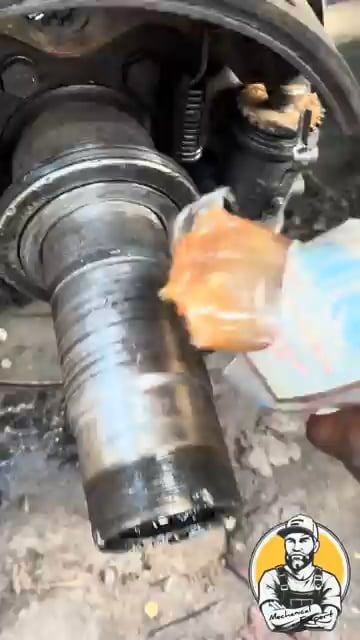
Greasing a wheel bearing
How to Grease Wheel Bearings: A Step-by-Step Guide for Safety & Longevity
Wheel bearings ensure smooth wheel rotation and reduce friction—but without proper lubrication, they can fail catastrophically. Greasing wheel bearings is a vital DIY maintenance task that prevents premature wear, overheating, and costly repairs. In this guide, you’ll learn how to safely repack wheel bearings, avoid common pitfalls, and extend their lifespan.
Why Greasing Wheel Bearings Matters
Wheel bearings endure extreme stress from road vibration, weight loads, and heat. Over time, grease degrades, dries out, or becomes contaminated, leading to:
- Metal-on-metal friction, causing grinding or humming noises.
- Bearing overheating and seizure.
- Increased fuel consumption due to drag.
- Wheel detachment in severe cases.
Repacking bearings with fresh grease every 12 months or 12,000 miles (or per your vehicle manual) is crucial for safety and performance.
Tools & Materials Needed
- High-temperature wheel bearing grease (e.g., lithium-based NLGI GC-LB rated).
- Gloves, safety glasses, and shop rags.
- Jack stands and a hydraulic jack.
- Lug wrench, socket set, and pliers.
- Bearing grease packer (or clean hands).
- Cotter pins, bearing race driver, and torque wrench.
- Brake cleaner or degreaser.
Step-by-Step: How to Grease Wheel Bearings
1. Preparation & Safety
- Park on a flat surface, engage the parking brake, and chock rear wheels.
- Loosen lug nuts slightly before lifting the vehicle.
- Jack up the vehicle and secure it on jack stands. Remove the wheel.
2. Remove the Hub Assembly
- Unbolt the brake caliper and hang it aside (don’t strain the brake hose).
- Pull off the brake rotor to access the hub.
- Remove the axle nut (check for a cotter pin first).
- Gently pull the hub off the spindle.
3. Clean & Inspect Bearings
- Extract the inner and outer bearings from the hub.
- Clean all components with brake cleaner and inspect for:
- Pitting, cracks, or blue/discolored metal (replace if damaged).
- Rough spots when spinning the bearing.
- Wipe the spindle, hub, and races with a lint-free cloth.
4. Repack Bearings with Grease
- Apply grease to your palm or a packer. Push grease into the bearing rollers from the backside.
- Rotate the bearing to force grease between rollers until it oozes out the top.
- Avoid overpacking—grease should fill 50-70% of the cavity to prevent overheating.
5. Reassemble & Torque
- Lightly grease the spindle and bearing races to prevent corrosion.
- Reinstall bearings into the hub, ensuring proper orientation.
- Hand-tighten the axle nut, then torque to manufacturer specs (usually 15-30 ft-lbs while spinning the rotor).
- Back off the nut ¼ turn and secure with a new cotter pin.
- Reattach the rotor, brake caliper, and wheel.
Common Mistakes to Avoid
- Using the wrong grease: Non-wheel-bearing grease melts under high heat.
- Over-tightening: Causes excessive heat and bearing failure.
- Skipping cotter pins: Loose axle nuts can lead to wheel separation.
- Reusing old seals: Always replace seals to prevent grease leaks.
FAQs About Greasing Wheel Bearings
Q: Can I grease sealed bearings?
A: No—sealed bearings are maintenance-free and must be replaced when worn.
Q: What color should healthy grease be?
A: Fresh grease is typically amber or blue. Discard if it’s black, gritty, or smells burnt.
Q: How do I know if my bearings need repacking?
A: Listen for growling noises when turning or feel for wheel play when jacked up.
Conclusion
Properly greased wheel bearings are key to vehicle safety and saving hundreds in repairs. While this task requires mechanical aptitude, following these steps ensures your bearings run smoothly for thousands of miles. If you’re unsure, consult a professional mechanic—never risk compromised wheel integrity!
Pro Tip: Keep a maintenance log to track when bearings were last serviced. Pair repacking with brake inspections for efficient upkeep.
Optimize your vehicle’s health by greasing bearings regularly—and share this guide to help others drive safer! 🚗💨