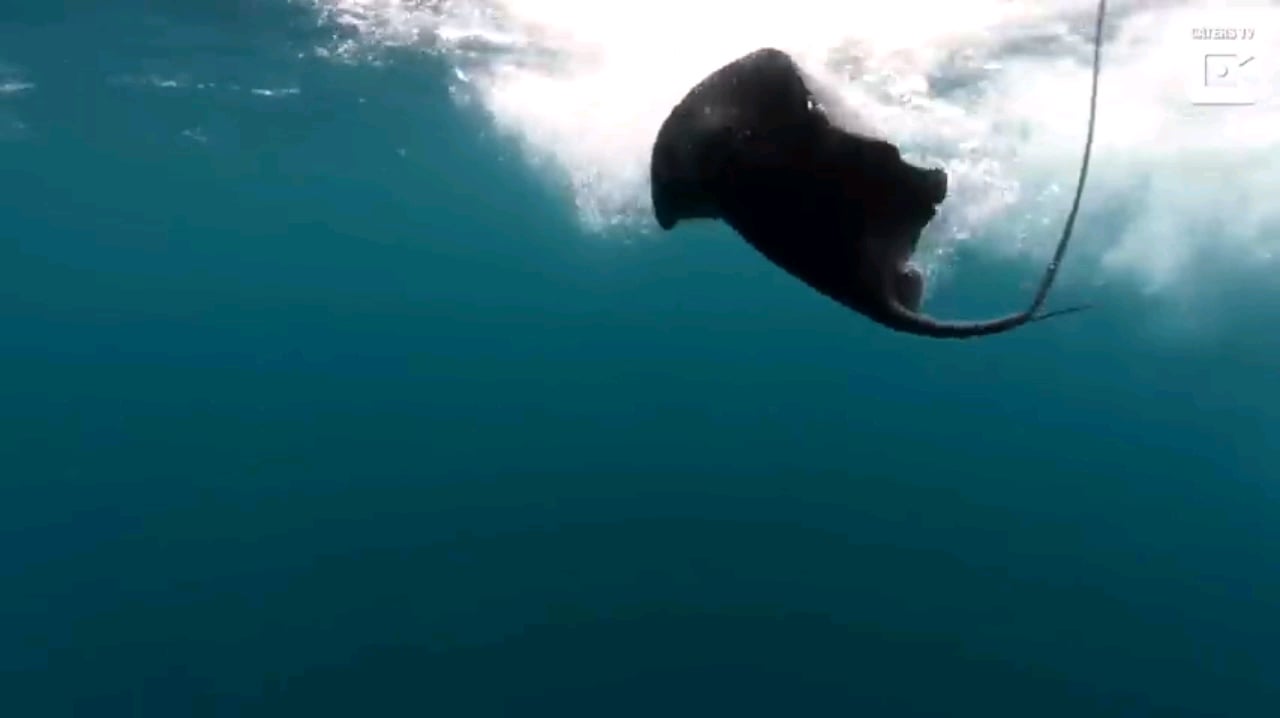
Orcas have the tendency to use it tails to attack smaller creatures, this one is a sting-ray
Title: Orcas’ Tail-Slapping Strategy: How Killer Whales Hunt Stingrays & Small Prey
Meta Description: Discover how orcas use powerful tail-slaps to stun, injure, or kill prey like stingrays—a ruthless yet ingenious hunting tactic of the ocean’s apex predator.
URL Slug: orca-tail-slap-hunt-stingray
Introduction
Orcas, or killer whales, are among the ocean’s most intelligent and adaptable predators. While they’re famous for hunting seals, sharks, and even whales, their predatory toolkit includes a lesser-known but devastating technique: using their tails as weapons. This article explores how orcas deploy their tails to target small, agile creatures like stingrays—revealing the cunning behind one of nature’s most efficient hunters.
The Tail-Slap: A Brutal Hunting Tactic
Orcas possess immense power in their tail flukes, which can measure up to 9 feet wide. When hunting prey too fast or camouflaged to catch with their jaws, they rely on tail-slapping (or “tail-lobbing”) to deliver blunt force trauma. Here’s how it works:
- Target Identification: Orcas use echolocation to pinpoint prey hiding on the seafloor, such as stingrays buried in sand.
- Precision Strikes: With a rapid flick of the tail, they generate shockwaves or direct hits to disorient, injure, or kill prey.
- Opportunistic Feeding: The stunned victim is then scooped up with minimal resistance.
This method minimizes risk to the orca while maximizing efficiency—critical when targeting species like stingrays, which wield venomous barbs for defense.
Why Stingrays? A Tail-Made Meal
Stingrays are a challenging yet rewarding target for orcas. Their flat bodies blend into sandy seabeds, and their venomous tail spines can inflict serious injury. However, orcas have adapted:
- Avoiding Injury: A well-timed tail slap flips the stingray upside-down, rendering it immobile and exposing its soft underbelly.
- Exploiting Weaknesses: The force of the tail disrupts the stingray’s electroreceptive senses, leaving it defenseless.
This tactic reflects orca intelligence—they assess prey vulnerabilities and adjust strategies across ecosystems, from tropical reefs to Arctic waters.
Beyond Stingrays: The Versatility of Tail Warfare
Tail-slapping isn’t exclusive to stingrays. Orcas use it to hunt diverse prey, including:
- Fish: Herring schools are “herded” with tail slaps into tight bait balls for easy feeding.
- Seals: Isolated seals are stunned with tail blows before being drowned.
- Sharks: Orcas inflict spinal injuries with targeted tail strikes (e.g., great whites in South Africa).
This adaptability underscores why orcas dominate marine food webs as apex predators.
Implications for Marine Ecosystems
The orca’s tail-slap strategy has broader ecological impacts:
- Prey Behavior: Stingrays and smaller fish evolve camouflage or evasion tactics to survive.
- Food Web Dynamics: By culling mid-tier predators like rays, orcas indirectly protect species lower on the chain (e.g., scallops or crabs).
However, rising ocean noise pollution and declining prey populations threaten these finely tuned hunting behaviors.
Conclusion: The Art of the Tail Attack
Orcas’ mastery of tail-slapping highlights their problem-solving prowess and physical adaptability. Whether dismantling a stingray’s defenses or corralling fish, they wield their tails with precision—proving that in the ocean, brains and brutality go hand in hand.
Author Bio:
Marine enthusiast and wildlife writer with a decade of experience covering apex predators. Passionate about uncovering the secret lives of ocean giants.
SEO Optimization Checklist:
- Target Keywords: Orca tail attack, killer whale hunting techniques, how orcas hunt stingrays, orca tail slap, predatory behaviors of orcas
- Internal Links: [Orcas vs. Great White Sharks], [How Echolocation Works]
- External Links: Scientific studies on orca behavior (e.g., Marine Mammal Science journals).
- Images Suggested: Orca mid-tail-slap, stingray camouflaged in sand, orca pod hunting.
Engagement Prompt:
Have you witnessed an orca’s hunting tactics in the wild? Share your experiences in the comments!
By blending scientific insight with compelling storytelling, this piece aims to rank for niche keywords while captivating readers curious about marine predation. 🌊✨