The EU’s largest national park is in South America
Title: The EU’s Largest National Park: A South American Treasure You Need to Know
Meta Description: Discover the surprising story of the Guiana Amazonian Park – the European Union’s largest national park, hidden deep in South America. Explore its biodiversity, cultural heritage, and why this remote wilderness matters for global conservation.
H1: The EU’s Largest National Park Isn’t in Europe – It’s in South America!
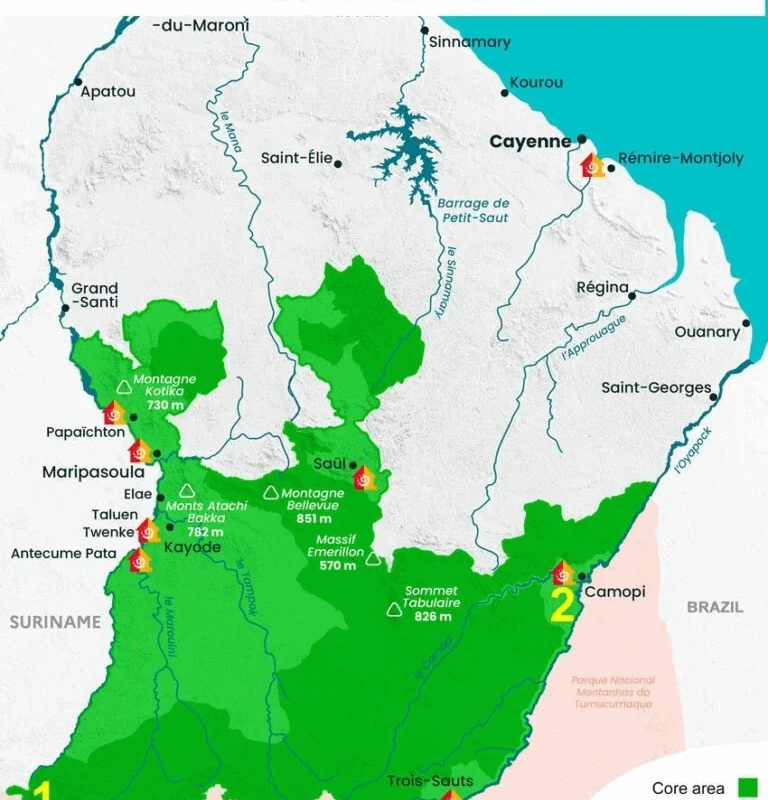
When you think of the European Union (EU), sprawling rainforests and jaguars aren’t the first images that spring to mind. Yet, the EU’s largest national park is not nestled in the Alps or the fjords of Scandinavia—it’s located over 7,000 km away in the heart of South America. This ecological marvel, Guiana Amazonian Park (French: Parc amazonien de Guyane), spans a staggering 33,900 km² in French Guiana, an overseas department of France—and thus part of the EU.
In this article, we’ll unravel why this park is a unique blend of EU governance, South American biodiversity, and global conservation significance.
H2: Where Europe Meets the Amazon: The Geography of a Paradox
French Guiana is a slice of the EU tucked between Brazil and Suriname on South America’s northeastern coast. As an integral part of France, it enjoys the same legal status as regions like Normandy or Provence. This makes Guiana Amazonian Park the only EU national park located on another continent—a testament to Europe’s ecological footprint beyond its borders.
Established in 2007, the park covers 41% of French Guiana’s total land area and shares borders with two iconic Brazilian protected areas:
- Tumucumaque Mountains National Park (the world’s largest tropical forest reserve)
- Grão-Pará Ecological Station
This creates a pan-Amazonian conservation corridor spanning nearly 120,000 km²—critical for wildlife migration and climate resilience.
H2: Biodiversity Hotspot: Guardian of the Amazon’s Riches
Guiana Amazonian Park shelters one of the planet’s most intact ecosystems, teeming with endemic and endangered species. Key highlights include:
- Wildlife: Jaguars, giant otters, harpy eagles, and the elusive Guianan cock-of-the-rock.
- Flora: Over 5,800 plant species, including colossal kapok trees and medicinal plants used by Indigenous communities.
- Insects: 20% of the world’s known insect species live here!
- Rivers & Waterfalls: The Maroni and Oyapock rivers, plus remote waterfalls like Cachoeira Voltaire.
Its remoteness—no roads penetrate 90% of the park—has shielded it from deforestation. Satellite data shows 99.9% of the park remains primary forest, a rarity in today’s Amazon.
H2: People of the Forest: Indigenous Stewardship
The park is not just a wildlife haven; it’s home to Indigenous peoples like the Wayana, Teko, and Wayãpi, plus Maroon communities descended from escaped enslaved Africans. These groups hold legal rights to 14,000 km² of the park and collaborate with French authorities on sustainable management.
Traditional practices like rotational farming and spiritual connections to the land have preserved this ecosystem for millennia. Visitors can engage with their cultures through guided eco-tours, learning about ancestral knowledge of plants, hunting, and cosmology.
H2: Why the EU Protects a South American Jungle
As climate change and Amazon deforestation accelerate, the EU’s investment in Guiana Amazonian Park reflects its global environmental commitments:
- Carbon Sink: The park stores 1.5 billion tons of CO₂—equivalent to 15 years of France’s emissions.
- Biodiversity Agenda: Upholds the EU’s 2030 target to protect 30% of land and sea.
- Scientific Research: Hosts cutting-edge studies on tropical ecology and zoonotic disease prevention.
Critics argue that France’s colonial history complicates its role as a conservation leader here. Still, the park’s co-governance model with Indigenous groups sets a precedent for ethical conservation.
H2: Can You Visit? Ecotourism in Guiana Amazonian Park
Access is challenging but rewarding for intrepid travelers:
- Permit Required: Entry needs authorization from the park authority to minimize impact.
- Gateway Towns: Start in Maripasoula or Saül, villages reachable only by boat or small plane.
- Activities: Trekking, wildlife spotting, river expeditions, and cultural exchanges with local guides.
Travelers must adhere to strict eco-guidelines: pack out trash, avoid single-use plastics, and respect cultural protocols.
H2: Threats & Challenges: The Future of the Park
Despite its protected status, the park faces pressures:
- Illegal Gold Mining: “Garimpeiros” (wildcat miners) poison rivers with mercury and threaten Indigenous lands.
- Climate Change: Shifting rainfall patterns could destabilize ecosystems.
- Invasive Species: Alien fish and plants threaten native biodiversity.
The EU and French government are combating this with drones, satellite monitoring, and cooperative policing with Brazil.
H2: Conclusion: A Global Asset Worth Protecting
Guiana Amazonian Park embodies a fascinating paradox: a European territory safeguarding South America’s natural heritage. Its success proves that conservation transcends borders, and the EU’s investment here is vital for the planet’s health.
As debates over colonialism and climate justice continue, this park remains a living lab for balancing human rights, biodiversity, and global responsibility. By supporting its mission—whether through eco-tourism, awareness, or policy—we protect a irreplaceable piece of Earth’s green lung.
Call to Action:
- Learn more about UNESCO’s Amazon Biosphere Reserve initiative.
- Support NGOs like WWF France or Amazon Conservation Team working in the region.
- Share this article to spread awareness about the EU’s hidden Amazonian gem!
Keywords for SEO: EU largest national park, Guiana Amazonian Park, French Guiana biodiversity, EU overseas territories, Amazon Rainforest conservation, ecotourism South America, Indigenous stewardship Amazon, French Guiana travel guide.