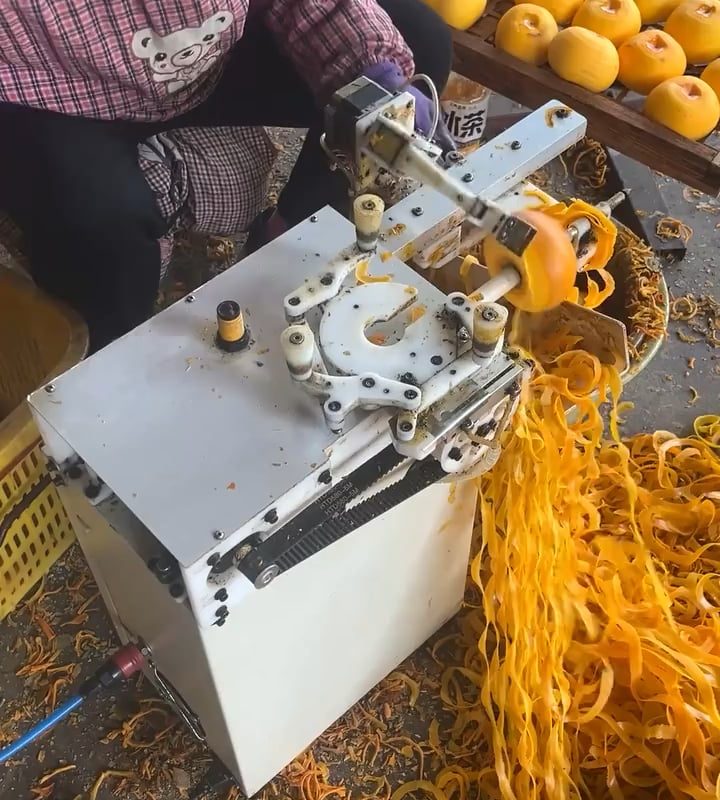
Automated peeling of citrus fruits
Title: Automated Peeling of Citrus Fruits: Revolutionizing Efficiency in Food Processing
Meta Description: Discover how automated peeling systems transform citrus processing. Learn about the technology, benefits, and key players driving efficiency in fruit operations.
Automated Peeling of Citrus Fruits: Speed, Precision, and Scalability in Food Production
The global demand for citrus fruits—oranges, lemons, grapefruits, and tangerines—has surged, thanks to their nutritional value and versatility in juices, snacks, and culinary uses. Yet, peeling these fruits at scale presents a labor-intensive challenge for processors. Enter automated citrus peeling machines: sophisticated systems that streamline yield, reduce waste, and ensure consistent quality. This article explores how automation reshapes citrus processing and why it’s a game-changer for the industry.
Why Automate Citrus Peeling?
Manual peeling is slow, inconsistent, and costly. Labor shortages and rising wage demands further strain producers. Automated systems address these issues by:
- Boosting output (up to 10–15 fruits per second).
- Minimizing flesh loss, maximizing yield.
- Ensuring hygiene with reduced human contact.
- Lowering operational costs over time.
How Automated Peeling Technology Works
Modern systems use a combination of robotics, vision sensors, and precision mechanics:
-
Grading & Sorting:
Optical scanners assess fruit size, ripeness, and defects, directing them to optimal peeling paths. -
Pre-Treatment:
Fruits are washed and sometimes steamed or scored to loosen the peel. -
Peeling Mechanisms:
- Blade-Based Systems: Adjustable blades slice the rind without damaging flesh.
- Vacuum/Steam Peelers: Use rapid pressure changes or steam to “pop” peels off.
- Abrasive Rollers: Gently grind away zest for whole fruit processing.
-
Post-Peeling Cleaning:
Conveyors remove residual peel and sort segments for packaging or juicing.
Key Players in Automation
Leading manufacturers like JBT Corporation, Kronen, and Zenitram design machines for diverse needs:
- Small-scale: Tabletop units for boutique juice bars.
- Industrial lines: High-throughput systems for factories processing tons hourly.
Benefits Beyond Speed
- Waste Reduction: Precision peeling recovers up to 95% of edible fruit vs. 70–80% manually.
- Quality Control: Uniform slices for retail-ready packaged fruit or juice pulp.
- Sustainability: Peels are often repurposed for pectin, animal feed, or essential oils.
Challenges & Considerations
- High Initial Investment: Equipment costs range from $50,000 to $500,000+.
- Fruit Variability: Machines may require adjustments for different citrus types and sizes.
- Maintenance: Regular cleaning and part replacements are essential for peak performance.
The Future of Citrus Automation
Innovations like AI-driven sorting and robotic grippers mimic human dexterity for delicate tasks. Research also focuses on eco-friendly peeling agents to reduce water/energy use.
FAQs
Q1: Can automated peelers handle all citrus varieties?
Yes! Most systems adjust settings for oranges, lemons, limes, and pomelos.
Q2: How much labor does automation replace?
One machine can replace 20–30 workers, reducing labor costs by 60–70%.
Q3: Are peeled fruits less nutritious?
No—automated methods minimize oxidation, preserving vitamins better than manual peeling.
Q4: What’s the ROI for businesses?
High-volume processors typically recoup costs in 1–3 years via saved labor and increased yield.
Final Thoughts
Automated citrus peeling isn’t just a luxury—it’s a strategic necessity for competitive fruit processors. By investing in this technology, companies boost profitability while meeting consumer demand for premium, ready-to-eat products. As R&D advances, expect smarter, greener machines to dominate the next era of food production.
Keywords for SEO: automated citrus peeling, citrus peeling machine, fruit processing automation, industrial peeling systems, citrus waste reduction, orange peeling robot, juicing automation.