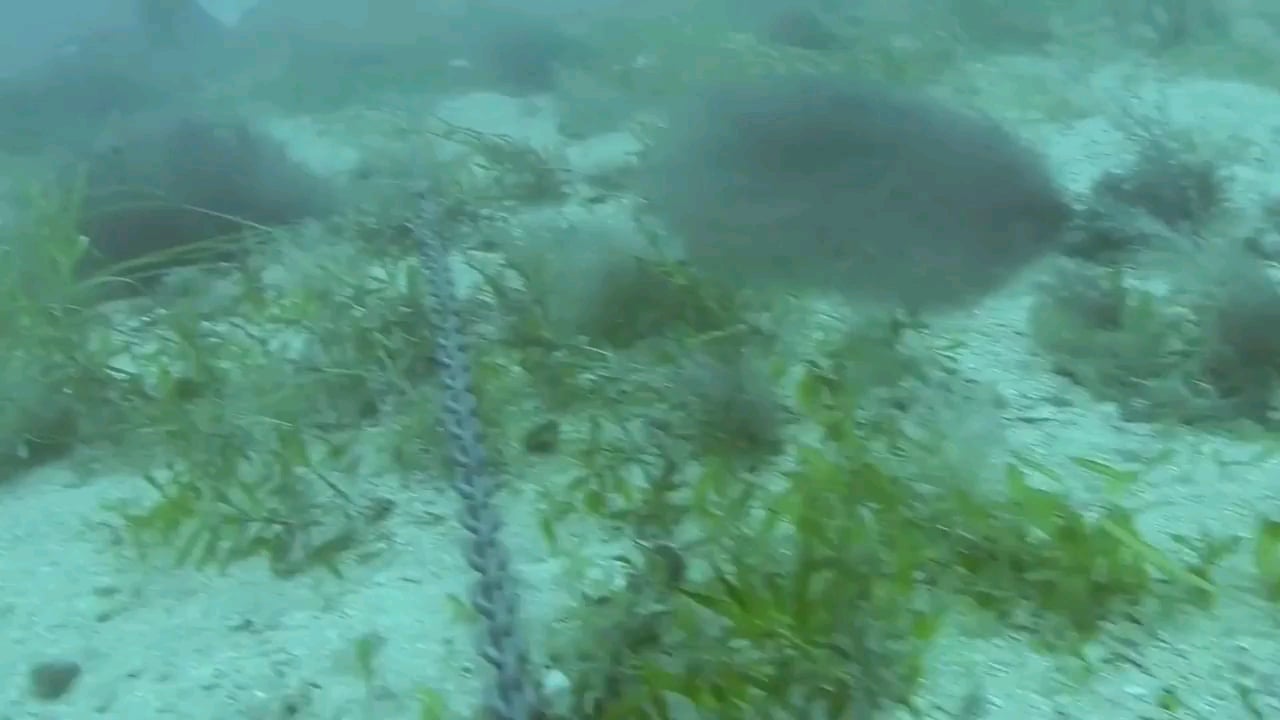
How Scallops swim
Title: How Do Scallops Swim? Unveiling the Fascinating Jet Propulsion of Nature’s Bivalve Acrobats
Meta Description: Discover how scallops swim using a unique jet propulsion mechanism. Explore their anatomy, movement, and why they’re among the ocean’s most agile bivalves.
How Scallops Swim: The Jet Propulsion Secret of the Ocean’s Most Agile Bivalve
Scallops are more than just a gourmet delicacy—they’re one of the ocean’s most surprising athletes. Unlike sedentary clams or oysters, scallops can swim rapidly through the water, darting away from predators with a popping motion that leaves observers in awe. But how do these shelled creatures pull off such an aquatic feat? Let’s dive into the science behind how scallops swim, from their unique anatomy to their jet-powered escapes.
Scallops Aren’t Just Shells—They’re Swimmers!
Most bivalves (like mussels or clams) spend their lives anchored to rocks or buried in sand. Scallops, however, are exceptional. They actively swim by clapping their shells together, propelling themselves in short bursts to evade danger or relocate. This behavior makes them stand out in the mollusk world and has fascinated marine biologists for decades.
Keyword Highlight: how scallops swim, swimming scallops, scallop movement
The Jet Propulsion Mechanism: How It Works
Scallops swim using jet propulsion, a method similar to how squids or octopuses move. Here’s a step-by-step breakdown:
- Shell Clapping: The scallop rapidly contracts its large adductor muscle (the same muscle humans eat as “scallop meat”).
- Water Ejection: This contraction snaps the two shells shut, forcing water out through small openings near the hinge.
- Thrust Creation: The expelled water generates a jet-like thrust, pushing the scallop forward in the opposite direction.
- Gliding: After the clap, the shell reopens, and the scallop glides until it repeats the motion.
This “clap-and-glide” cycle happens up to 10 times in quick succession, allowing scallops to swim several body lengths per second—a remarkable speed for a bivalve!
Anatomy Behind the Swim
- Adductor Muscle: This powerhouse muscle makes up 30–40% of the scallop’s body mass and enables rapid shell closure.
- Valves (Shells): The fan-shaped shells direct water jets efficiently.
- Eyes: Scallops have up to 200 tiny blue eyes along their mantle edge. These detect light and movement, helping them navigate and sense predators.
- Hinge Ligament: A flexible “spring” that helps reopen the shell after each clap.
Keyword Highlight: scallop anatomy, adductor muscle function
Why Do Scallops Swim? Survival Strategies
Scallops don’t swim for fun—they do it to survive:
- Escape Predators: Starfish, crabs, and drilling snails are major threats. A swift swim can mean the difference between life and death.
- Relocation: Scallops move to find better feeding grounds, cleaner water, or optimal temperatures.
- Disoriented? Flip Over! If knocked upside-down, scallops will swim vigorously to right themselves.
Scallops vs. Other Swimming Bivalves
While rare, scallops aren’t the only swimming bivalves:
- File Clams: Some species “clap” like scallops but lack their speed.
- Cockles: Poor swimmers that “hop” clumsily when threatened.
Scallops reign supreme in agility thanks to their strong muscles and hydrodynamic shells.
Keyword Highlight: swimming bivalves, scallop vs clam movement
Fun Facts About Scallop Swimming
- Popcorn of the Sea: Their erratic swimming style resembles popcorn popping—hence the nickname “popcorn scallops.”
- Swimming Direction: Scallops swim “hinge-first,” backward relative to their direction of movement.
- Energy Efficiency: They swim only when necessary to conserve energy for feeding and reproduction.
FAQs About Scallops and Swimming
Q: How fast can scallops swim?
A: They reach speeds of ~0.5 meters/second (1.6 ft/s)—faster than most fish larvae!
Q: Do all scallop species swim?
A: Most can, but larger species (e.g., Atlantic sea scallops) swim less often than smaller, agile varieties like bay scallops.
Q: Can scallops swim upward?
A: Yes! They often swim vertically to escape seafloor predators.
Q: How long can they swim continuously?
A: Only short bursts—fatigue sets in after 5–10 claps due to high energy demands.
Conclusion: Nature’s Ingenious Escape Artist
Scallops prove that even simple organisms can evolve extraordinary solutions. Their jet-powered swimming—powered by a lightning-fast muscle and precision-engineered shells—is a marvel of marine adaptation. Next time you see a scallop, remember: it’s not just a meal. It’s a master of aquatic acrobatics, darting through the seas with a clap, a jet, and a glide.
Keywords for SEO:
how scallops swim, scallop swimming mechanism, scallop movement, jet propulsion in scallops, bivalve locomotion, scallop anatomy, why do scallops swim