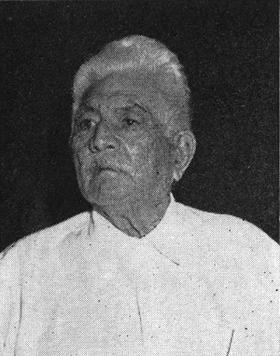
January 9th 1895 marked the last day of the Hawaiian royalist rebellions, 131 years ago. Lot Kamehameha Lane was said to be named after Kamehameha V and was third in command of the Wilcox rebellion. The last to turn himself in, he was extremely feared and had to be escorted by 6 guards.
Title: January 9, 1895: The Final Stand of Hawaiian Royalists & the Fierce Legacy of Lot Kamehameha Lane
Meta Description: On January 9, 1895, the Hawaiian royalist rebellions ended after 131 years. Discover the story of Lot Kamehameha Lane, a feared rebel commander in the Wilcox uprising.
January 9, 1895: The End of Hawaii’s Royalist Rebellions & the Unyielding Legacy of Lot Kamehameha Lane
On January 9, 1895—131 years ago—Hawaii witnessed the final surrender of royalist forces in a last-ditch effort to restore the Hawaiian monarchy. This day marked the conclusion of the Wilcox Rebellion of 1895, a pivotal yet often overlooked chapter in Hawaiian history. Among the rebels was Lot Kamehameha Lane, a figure shrouded in both reverence and fear, whose legacy lives on not only in history books but also in the streets of Honolulu.
The Backdrop: Hawaii’s Fight for Sovereignty
By 1895, Hawaii was in turmoil. Just two years earlier, in 1893, a group of American and European businessmen had overthrown Queen Liliʻuokalani, ending centuries of indigenous rule. Royalist loyalists, led by Robert Wilcox, launched a rebellion in January 1895 to reinstate the queen. Though outgunned and outnumbered, these warriors fought fiercely for their nation’s independence.
Lot Kamehameha Lane: The Fearsome Warrior
Lot Kamehameha Lane, whose name evokes Hawaii’s storied past, was third in command of the rebellion. His lineage tied him to Hawaiian royalty—his middle name “Kamehameha” honored King Kamehameha V, the last direct descendant of Kamehameha the Great. While the exact origins of Lot Kamehameha Lane (the street) remain debated, its namesake’s legacy is undeniably tied to his defiant spirit.
Lane’s reputation preceded him. Described as fiercely loyal and intimidating, he was among the last rebels to surrender after the failed uprising. Historical accounts reveal that his captors considered him so dangerous that six armed guards were required to escort him upon his arrest—a testament to the dread he inspired in his opponents. This detail underscores both his significance in the rebellion and the threat he posed to the provisional government.
January 9, 1895: The Final Surrender
The Wilcox Rebellion ended in a matter of days. After skirmishes in the mountains of Oʻahu and urban clashes in Honolulu, royalist forces were overwhelmed by the Republic of Hawaii’s superior weaponry and troops. Lot Lane held out longer than most, refusing to concede until hope was彻底 lost. His surrender on January 9 signaled the definitive end of armed resistance against Hawaii’s annexation.
The aftermath was brutal. Queen Liliʻuokalani was imprisoned, Wilcox faced treason charges, and Lane and other rebels were jailed or exiled. Hawaii’s path to becoming a U.S. territory accelerated—a fate sealed by the rebellion’s failure.
Why Lot Kamehameha Lane Matters Today
- A Symbol of Resistance: Lane’s refusal to surrender embodies the enduring fight for Hawaiian sovereignty.
- Cultural Memory: Streets like Lot Kamehameha Lane serve as physical reminders of Hawaii’s complex history.
- Honoring Indigenous Heroes: His story counters the colonial narrative, celebrating Hawaiian agency in the face of erasure.
Visiting the Legacy
Today, travelers in Honolulu can walk Lot Kamehameha Lane, a quiet street near downtown that whispers of rebellion. While its naming may honor multiple historical threads (including Kamehameha V), Lane’s defiance adds a layer of depth to its significance.
Preserving Hawaii’s Hidden Histories
The events of January 9, 1895, closed a door on Hawaiian self-governance, but the courage of figures like Lot Kamehameha Lane keeps their struggle alive. As Hawaii continues to grapple with its colonial past, stories like these remind us that history is not just written by the victors—it’s etched into the land and carried by its people.
Explore Further: Visit ʻIolani Palace in Honolulu or the Bishop Museum to learn more about Hawaii’s royalist rebellions and the warriors who defined them.
Keywords: Hawaiian royalist rebellions, Wilcox rebellion 1895, Lot Kamehameha Lane, Kamehameha V, Robert Wilcox, Queen Liliʻuokalani, Hawaiian monarchy overthrow, Hawaiian history, January 9 1895.
Image Alt-Tag Suggestions:
- “Portrait of Lot Kamehameha Lane, Hawaiian royalist commander”
- “Map of 1895 Wilcox Rebellion sites in Honolulu”
- “Historic photo of Hawaiian royalist rebels surrendering.”
By revisiting this pivotal moment, we honor the resilience of Hawaii’s people and ensure their stories are never forgotten.