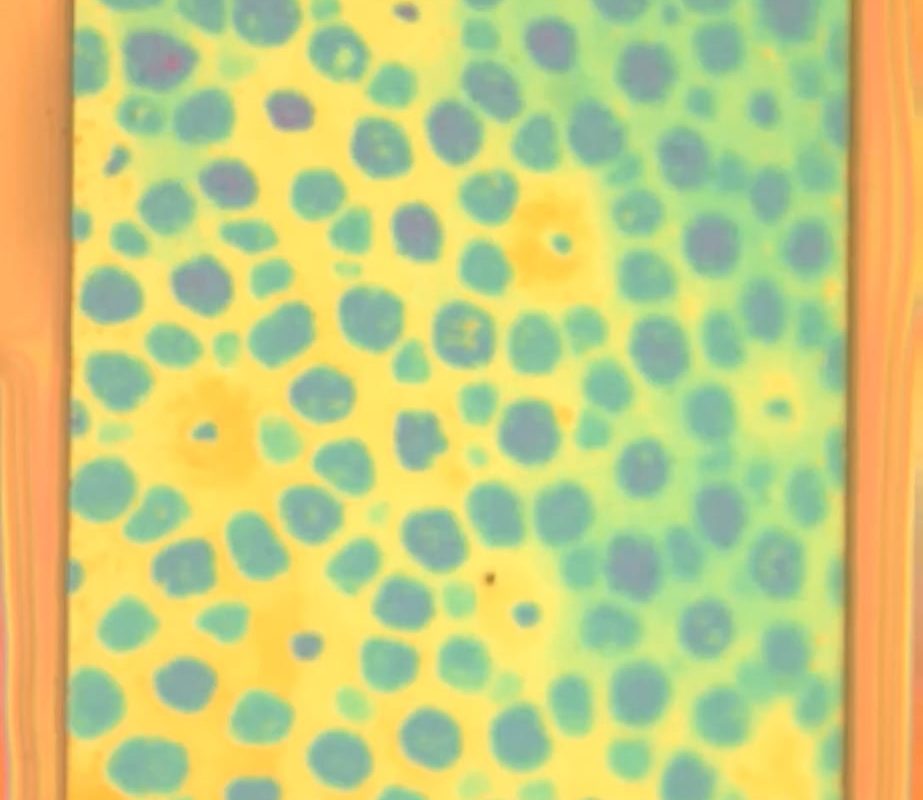
A polymer inspired by octopus camouflage that actively changes color
Meta Description: Discover the groundbreaking polymer mimicking octopus camouflage, enabling dynamic color-changing capabilities. Explore its science, applications, and the future of adaptive materials.
Octo-Camo: The Color-Changing Polymer Revolutionizing Adaptive Materials
In nature, few creatures rival the octopus in the art of disguise. By rearranging pigments in specialized skin cells called chromatophores, these cephalopods can vanish into coral reefs, mimic rocky textures, or flash warning colors in milliseconds. Now, scientists have unlocked the secrets of this biological marvel to create an innovative polymer that actively changes color like octopus skin, opening doors to transformative applications in camouflage, smart textiles, and dynamic displays.
The Science of Octopus-Inspired Camouflage
Octopuses control their color changes through a complex interplay of nerves, muscles, and pigment-filled chromatophores. When signals trigger these cells, they expand or contract, altering the visible pattern on the skin’s surface. Researchers mimicked this mechanism by designing a synthetic polymer with light-responsive, tunable nanostructures:
- Elastomer Matrix: A flexible, rubber-like base allows the material to stretch and deform like natural tissue.
- Dynamic Pigment Systems: Embedded microspheres or nanoparticles (e.g., thermochromic dyes or photonic crystals) shift their optical properties in response to stimuli like light, heat, or electricity.
- Autonomous Feedback: Some designs integrate sensors to detect environmental changes, enabling real-time camouflage without external controls.
How the Color-Changing Polymer Works
Unlike static coatings, this polymer actively adapts like living tissue:
- Light Activation: UV or visible light triggers a chemical reaction in the polymer, realigning its nanostructures to reflect different wavelengths.
- Thermal Response: Heat-sensitive versions change hue when warmed or cooled, ideal for wearable tech.
- Electrical Control: Applied voltage can manipulate embedded liquid crystals, enabling pixel-like precision for displays.
Game-Changing Applications
1. Military & Defense
The polymer could revolutionize camouflage for soldiers, vehicles, and drones, allowing seamless blending into deserts, forests, or urban settings. Its low energy requirements and scalability make it superior to current “smart” cloaking tech.
2. Wearable Technology
Imagine clothing that shifts color based on mood, temperature, or activity. Sportswear could signal dehydration, while fashion garments might shimmer in sunlight. The soft, stretchable material is ideal for embedded health monitors.
3. Robotics & Interactive Displays
Soft robots coated in this polymer could communicate via color or blend into environments during surveillance. For consumer tech, it offers energy-efficient billboards or phone screens that adapt to ambient lighting.
4. Medical & Sensing Tools
The material’s responsiveness to biochemical signals (e.g., pH changes) provides avenues for diagnostic bandages or implants that visually alert to infections or inflammation.
Advantages Over Conventional Materials
- Energy Efficiency: Many designs require minimal power, relying on ambient stimuli.
- Durability: Polymers outperform biological tissues in harsh conditions.
- Scalability: Easily manufactured via 3D printing or roll-to-roll processes.
Challenges & Future Outlook
While prototypes show promise, hurdles remain:
- Speed: Matching an octopus’s near-instantaneous shifts (~200 milliseconds).
- Multistimuli Response: Combining reactions to light, heat, and touch.
- Cost-Effectiveness: Scaling production remains costly, but biotech advances may lower prices.
Teams at MIT, Harvard, and the University of Houston are refining these polymers, with startups like Cephalo Labs already commercializing early versions for textiles. As research accelerates, experts predict market-ready “octo-camo” materials by 2026–2030.
Conclusion: The Dawn of Adaptive Material Intelligence
By borrowing from evolution’s genius, this octopus-inspired polymer bridges biology and engineering, ushering in a future where surfaces think, react, and disappear. As we decode more of nature’s secrets, adaptive materials will redefine industries—from fashion to warfare—making science fiction a tangible reality.
Keywords for SEO:
Color-changing polymer, Octopus camouflage technology, Adaptive camouflage material, Smart textiles, Dynamic displays, Biomimetic materials, Photonic crystals, Military camouflage innovation, Thermochromic polymer, Octo-camo tech.