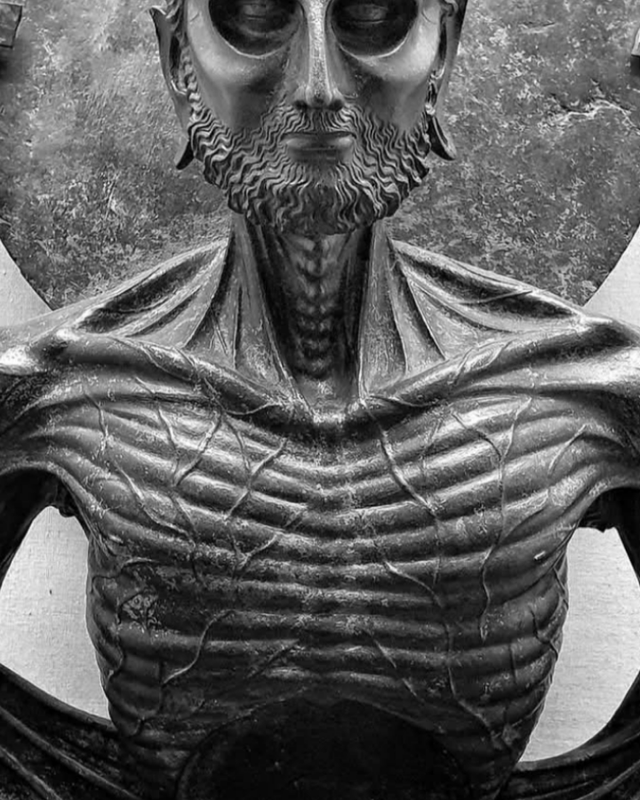
The sculpture ‘Fasting Siddhartha [Buddha]’, recovered from Sikri, dating to the 1st – 3rd century CE, at Lahore Museum, Pakistan
Title: “The Fasting Siddhartha Buddha: Lahore Museum’s Ancient Gandhara Treasure”
Meta Description: Explore the historical and artistic significance of the rare ‘Fasting Siddhartha [Buddha]’ sculpture from Sikri (1st-3rd century CE), housed at Lahore Museum, Pakistan. Discover its Gandhara roots, symbolism, and cultural legacy.
The Fasting Siddhartha Buddha: Lahore Museum’s Crown Jewel of Gandhara Art
In the heart of Lahore, Pakistan, the Lahore Museum safeguards one of South Asia’s most profound archaeological treasures: the Fasting Siddhartha [Buddha] sculpture. Carved between the 1st and 3rd centuries CE during the Gandhara civilization’s golden age, this evocative masterpiece offers a window into ancient Buddhist spirituality, artistry, and cross-cultural exchange. Discovered at Sikri, a key archaeological site in Khyber Pakhtunkhwa, the statue today draws scholars, pilgrims, and art lovers to Pakistan’s oldest museum.
Historical Context: The Rise of Gandhara Art
The sculpture belongs to the Gandhara Kingdom, a hub of Buddhist culture straddling modern Pakistan and Afghanistan. Under Kushan rule (1st–4th centuries CE), Gandhara blended Hellenistic, Persian, and Indian influences to create a striking artistic style. Buddhist monasteries commissioned statues like the Fasting Siddhartha to narrate Siddhartha Gautama’s journey to enlightenment—most poignantly, his extreme ascetic phase before discovering the Middle Path.
Key Facts:
- Material: Carved from schist stone, a hallmark of Gandharan craftsmanship.
- Discovery: Unearthed at Sikri, near Peshawar, where Gandharan monasteries thrived.
- Age: Dates to 1st–3rd century CE, contemporary with the spread of Mahayana Buddhism.
Symbolism & Iconography: The Ascetic Buddha
The Fasting Siddhartha portrays Siddhartha Gautama during his six-year quest for truth, eschewing worldly comforts. The sculpture captures his emaciated form with haunting realism—visible ribs, sunken eyes, and protruding veins—emphasizing the physical toll of extreme self-denial. This rare depiction differs sharply from serene, meditative Buddhas, illustrating a pivotal moment in Buddhist lore: Siddhartha’s realization that enlightenment lies beyond bodily deprivation.
Artistic Features:
- Greco-Roman Influence: Gandharan sculptors fused Greek realism (evident in anatomical accuracy) with Indian spiritual motifs.
- Narrative Details: Siddhartha sits cross-legged, draped in a thin robe, conveying humility and resolve.
- Spiritual Message: The sculpture underscores Buddhism’s rejection of extremism, honoring balance and mindfulness.
Why the Sikri Sculpture Matters
- Archaeological Rarity: Few Gandharan works depict Siddhartha’s ascetic phase so vividly.
- Cultural Hybridity: Reflects Silk Road exchanges, merging Mediterranean artistry with Buddhist philosophy.
- Historical Continuity: Links modern Pakistan to ancient trade routes that spread Buddhism to Central Asia and China.
Journey to Lahore Museum: Preservation & Display
Recovered from Sikri during British colonial excavations, the statue found a permanent home at Lahore Museum in the late 19th century. Today, it anchors the museum’s Gandhara Gallery, alongside other relics like Bodhisattva statues, monastic tablets, and Buddha reliefs. Conservation efforts ensure its survival for future generations.
Visitor Tips:
- Location: Lahore Museum, Shahrah-e-Quaid-e-Azam, Lahore, Pakistan.
- Best Time to Visit: October–March for milder weather.
- Nearby Sites: Explore Taxila’s Buddhist ruins (UNESCO World Heritage Site, 2 hours away).
Gandhara’s Legacy & Modern Relevance
The Fasting Siddhartha transcends aesthetics—it embodies Pakistan’s multicultural Buddhist heritage, often overshadowed by later Islamic history. In 2022, Lahore Museum launched digital tours to amplify global access to Gandhara art, part of broader efforts to promote religious tourism in Pakistan’s Buddhist circuits (Taxila, Swat, Takht-i-Bahi).
Conclusion: A Testament to Human Spirit
The Fasting Siddhartha Buddha is more than stone; it encapsulates humanity’s eternal quest for meaning. For history buffs, spiritually curious travelers, or admireres of classical art, a visit to Lahore Museum offers a rare chance to connect with this ancient narrative. As museums worldwide repatriate Gandhara artifacts, Pakistan’s stewardship of this national treasure ensures its story endures.
Plan Your Visit:
Learn more at Lahore Museum’s official website or explore virtual exhibits on Google Arts & Culture.
Keywords for SEO:
Fasting Siddhartha Buddha, Sikri sculpture, Lahore Museum Pakistan, Gandhara art, ancient Buddhist statues, 1st century CE Buddha, Kushan era artifacts, Gandhara civilization, Lahore Museum Gandhara Gallery, ascetic Buddha sculpture.
Optimized Subheadings & Internal Links:
- Linking “Gandhara Kingdom” to related Lahore Museum collections.
- Connecting “Silk Road exchanges” to articles on Taxila or Takht-i-Bahi.
- Anchoring “digital tours” to Lahore Museum’s virtual platform.
By integrating history, art, and travel insights, this article targets keyword searches while highlighting Pakistan’s underappreciated Buddhist heritage.