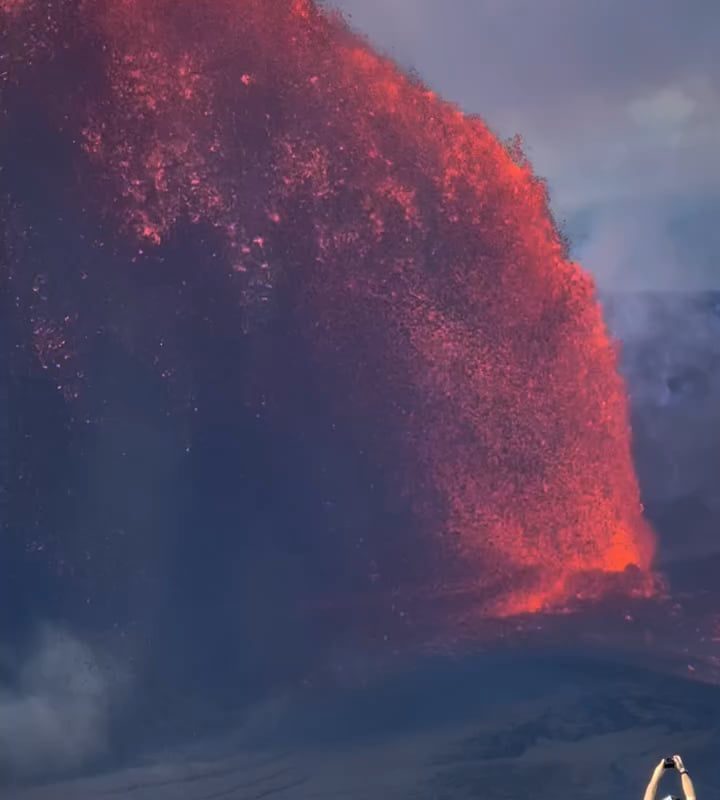
A close-up shot of eruption of kilauea volcano
Title: The Raw Power of Nature: A Close-Up Look at Kilauea Volcano’s Eruption
Meta Description: Witness the awe-inspiring eruption of Kilauea Volcano through a close-up lens. Discover the science, beauty, and dangers of Hawaii’s most active volcano in stunning detail.
Introduction
Kilauea—the name evokes images of smoldering lava, glowing fissures, and the primal force of Earth reshaping itself. Nestled in Hawaii Volcanoes National Park, Kilauea is one of the world’s most active volcanoes, captivating scientists, photographers, and adventurers alike. A close-up shot of its eruption offers a visceral glimpse into the heart of this geological titan. In this article, we explore the science, drama, and artistry behind close-up imagery of Kilauea’s eruptions, and why this volcano continues to mesmerize the world.
Kilauea: A Legend of Fire
Kilauea, meaning “much spreading” or “spewing” in Hawaiian, has been erupting nearly continuously since 1983. Its frequent activity makes it a natural laboratory for volcanologists and a bucket-list destination for travelers. But a close-up view of its eruption transcends tourism—it’s a reminder of Earth’s volatile power.
Anatomy of an Eruption: What a Close-Up Reveals
1. The Lava Flow
A close-up shot showcases molten lava as it erupts from fissures, glowing like a river of fire. At temperatures exceeding 2,000°F (1,100°C), the lava’s surface cools into a crust, cracking to reveal incandescent interiors that ripple like liquid silk.
2. Lava Fountain Dramatics
During explosive phases, Kilauea can produce lava fountains towering hundreds of feet. Up close, these fountains fragment into “spatter” (blobs of molten rock) and “Pele’s hair”—delicate strands of lava glass named after the Hawaiian goddess of fire.
3. The Dance of Destruction
Lava devours forests, roads, and buildings in its path. Close-ups capture surreal moments—smoke billowing from burning trees, or lava meeting the ocean in explosive steam clouds (“laze,” a toxic blend of lava and haze).
Photographing Fire: The Art of Close-Up Shots
Capturing Kilauea’s fury requires skill and caution. Professional photographers use:
- Heat-Resistant Gear: Protective suits and face shields to withstand radiant heat.
- Telephoto Lenses: To zoom in on dangerous zones like calderas and lava tubes.
- Timing: Pre-dawn or dusk shots highlight the lava’s glow against dark skies.
Pro Tip: Long-exposure photography creates dreamy streaks of light as lava flows downhill.
Why Kilauea’s Eruptions Matter
Beyond their visual spectacle, Kilauea’s eruptions provide critical insights:
- Volcanic Forecasting: Scientists monitor gas emissions, ground swelling, and seismic activity to predict eruptions.
- Danger Assessment: Lava flows threaten communities, as seen in the 2018 eruption that destroyed 700 homes.
- Cultural Legacy: Hawaiians revere Kilauea as the home of Pele, weaving eruptions into mythology and tradition.
Visiting Kilauea Safely
While close-up photography is thrilling, prioritize safety:
- Park Alerts: Check Hawaii Volcanoes National Park’s website for active eruption updates and closures.
- Guided Tours: Experts lead hikes to safe viewpoints and explain eruption dynamics.
- Respect the Land: Avoid closed areas; lava fields are unstable and toxic gases (like sulfur dioxide) are lethal.
FAQ: Kilauea Up Close
Q: Can you see lava flows year-round?
A: Eruptions are intermittent. Check real-time monitoring via USGS’s Hawaiian Volcano Observatory.
Q: Is it safe to photograph lava at night?
A: Only in designated areas with proper gear. The terrain is treacherous after dark.
Q: How close can tourists get?
A: Park viewpoints range from 0.5–2 miles from active flows. Never cross safety barriers.
Conclusion
A close-up shot of Kilauea’s eruption is more than a photograph—it’s a testament to the dynamism of our planet. As lava etches new landscapes and Pele’s breath fills the sky, we’re reminded of humanity’s fragility in the face of nature’s grandeur. Whether you witness it in person or through the lens, Kilauea’s fire leaves an indelible imprint on the soul.
SEO Elements:
- Keywords: Kilauea volcano eruption close-up, Hawaii lava flow photos, Kilauea eruption details, volcanic lava textures, how to photograph lava, Kilauea hiking tours.
- Alt Text for Images: “Close-up of Kilauea volcano’s molten lava flow with glowing orange fissures,” “Aerial view of Kilauea lava fountain eruption at sunset.”
- Internal Links: “Hiking Hawaii Volcanoes National Park,” “Best Volcano Tours in Hawaii,” “History of Kilauea Eruptions.”
- External Links: USGS Hawaiian Volcano Observatory, Hawaii Volcanoes National Park official site.
Call to Action: Share your own Kilauea eruption photos with #KilaueaCloseUp, or plan a volcano adventure by visiting Hawaii Volcanoes National Park. Witness the fire that never sleeps! 🔥🌋