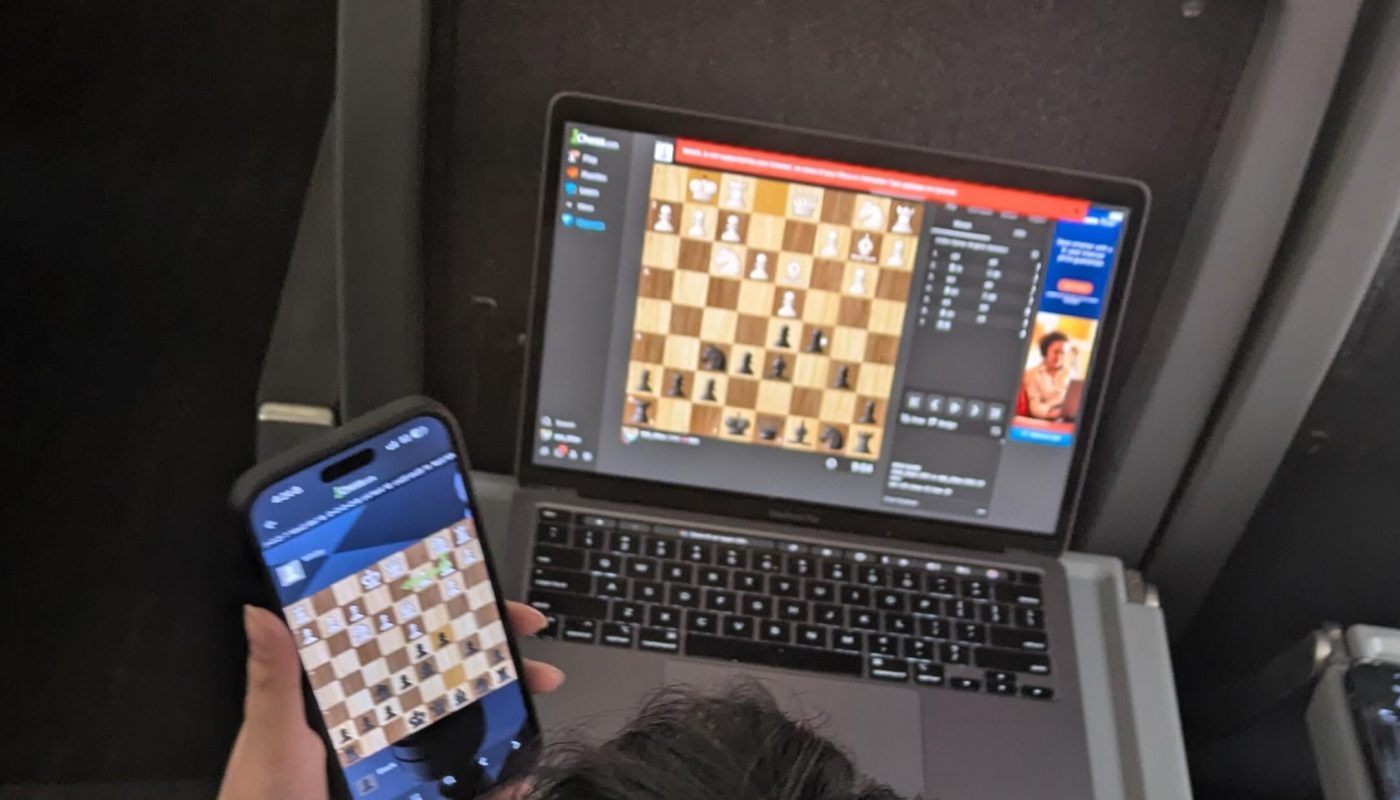
this is some next level BS?
AI vs AI: When Artificial Intelligence Systems Compete, Collaborate & Raise Ethical Questions
Title: AI vs AI: Competition, Collaboration & Ethical Crossroads Explored
Meta Description: Dive into the fascinating world of AI vs AI—where competing algorithms battle, collaborate, and redefine the future of innovation, ethics, and security.
Introduction
The concept of “AI vs AI” may sound like science fiction, but it’s rapidly becoming reality. As artificial intelligence advances, systems are increasingly pitted against one another—whether in competitive simulations, collaborative problem-solving, or adversarial scenarios. This dynamic not only accelerates innovation but also raises profound ethical questions. In this article, we explore the implications of AI vs AI, from gaming arenas to cybersecurity battlefields.
1. What Does “AI vs AI” Mean?
“AI vs AI” refers to scenarios where artificial intelligence systems interact directly, either as:
- Competitors: Rival AIs striving to outperform one another (e.g., in strategy games).
- Collaborators: Complementary AIs working together toward shared goals.
- Adversaries: Malicious vs. defensive AIs fighting in cyberspace.
- Debaters: AI models arguing opposing viewpoints to refine logic.
2. When AIs Compete: Driving Innovation
Case Study: Gaming & Strategy
- AlphaGo vs. Human Pros (and Later, Itself): DeepMind’s AlphaGo defeated world champion Go player Lee Sedol—then evolved into AlphaGo Zero, learning solely by playing millions of matches against itself.
- OpenAI’s Dota 2 Bots: These AIs achieved superhuman skill by training in self-play ecosystems, mastering teamwork and strategy without human input.
Why Competition Matters:
- Uncovers novel strategies beyond human intuition.
- Creates feedback loops for rapid iteration.
3. AI Collaboration: Merging Strengths
Two AIs can achieve more than one alone. Examples include:
- Generative AI Pairs:
- GPT-4 + DALL-E: Text-to-image synthesis via integrated language/vision models.
- Code-generation AIs + Debuggers: Automated software development pipelines.
- Healthcare Diagnostics: Imaging AI + genomic analysis AI combine to predict disease risks with higher accuracy.
4. The Dark Side: Adversarial AI vs Defensive AI
AI vs AI isn’t always friendly—some battles happen in the shadows:
- Cyber Warfare:
- Hacker AIs generate phishing scams/malware.
- Defender AIs (like Darktrace) detect anomalies in real-time.
- Deepfake Arms Race:
- Fraud AIs create convincing fake videos, while detection AIs (e.g., Microsoft’s Video Authenticator) fight back.
Ethical Crisis: Unregulated adversarial AI could escalate autonomous conflicts beyond human control.
5. The Great AI Debate: AGI Ethics & Fairness
AI vs AI also fuels philosophical clashes between AI systems or their creators:
- Bias & Fairness: When two AIs trained on different datasets conflict on ethical decisions (e.g., loan approvals).
- AGI Paths: Should we prioritize narrow AI (task-specific) or Artificial General Intelligence (human-like reasoning)? Rival research labs embody this divide.
6. Real-World Applications & Risks
| Domain | AI vs AI in Action |
|---|---|
| Finance | Trading bots competing for market advantages in microseconds. |
| Autonomous Vehicles | Tesla’s Autopilot vs. Waymo: Differing approaches to self-driving safety. |
| Content Creation | Google’s Imagen vs. MidJourney—competition drives hyper-realistic image generation. |
Risks to Mitigate:
- Unintended Bias: Competing AIs may amplify societal inequalities.
- Job Displacement: Collaborative AIs could automate entire industries.
- Safety Gaps: Adversarial attacks might deceive AI guardians (e.g., fooling facial recognition).
7. The Future of AI vs AI
By 2030, expect:
- Autonomous AI Negotiations: AIs brokering business deals or treaties.
- Regulatory AI: Government AIs auditing private-sector algorithms for compliance.
- Quantum AI Rivalry: Quantum-powered AIs competing to solve climate or health crises.
FAQ: AI vs AI
Q: Can AI destroy other AI?
A: Yes—malicious “poisoning” attacks can corrupt datasets or disable rival models.
Q: Do AIs learn faster competing against each other?
A: Absolutely. Self-play accelerates learning, as seen with AlphaZero.
Q: Could AI collaboration replace human teams?
A: In specialized fields like drug discovery, yes—but human oversight remains critical.
Conclusion
“AI vs AI” is far more than a technical curiosity—it’s the next frontier of innovation, security, and ethics. While competition pushes machines to new heights, collaboration unlocks solutions to humanity’s greatest challenges. The key lies in guiding these interactions responsibly, ensuring AI serves as a force for collective progress.
Optimized Keywords:
- Artificial Intelligence competition
- AI collaboration examples
- Adversarial AI attacks
- Ethical AI debate
- Future of AI technology
By structuring content around these themes, readers and search engines alike gain clarity on the multifaceted “AI vs AI” landscape.