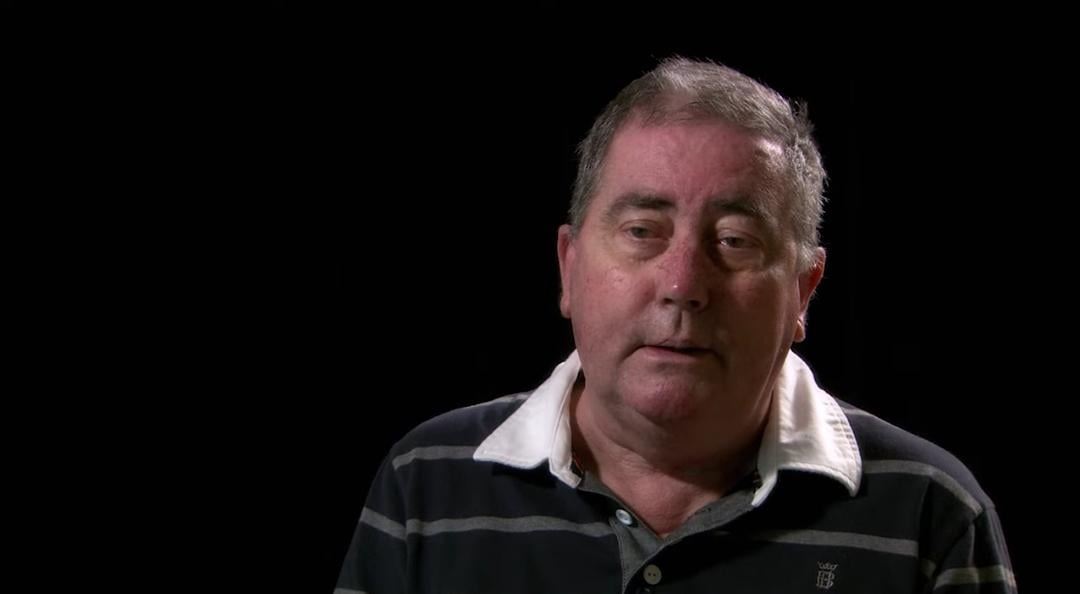
Alan Billis a 61 year old British taxi driver became the first person in 3000 years to be mummified using the exact techniques once reserved for Egyptian pharaohs like Tutankhamun.After his death from lung cancer in January 2011 his body was donated to a scientific project led by Dr. Stephen Buckley
Title: Unveiling History: How British Taxi Driver Alan Billis Became the First Modern Mummy in 3,000 Years
Meta Description: Discover the extraordinary story of Alan Billis, a 61-year-old British taxi driver who made history by being mummified using ancient Egyptian techniques. Dive into the science, legacy, and secrets of this groundbreaking project.
Introduction
In 2011, history was rewritten when Alan Billis, an unassuming 61-year-old taxi driver from Torquay, England, became the first person in over three millennia to undergo authentic Egyptian-style mummification. His astonishing journey—from battling lung cancer to becoming a scientific marvel—reveals how cutting-edge research resurrected the burial secrets of pharaohs like Tutankhamun. This is the story of Alan Billis, the modern mummy who bridged the gap between ancient rituals and 21st-century science.
The Man Behind the Mummy: Who Was Alan Billis?
Alan Billis lived an ordinary life, driving a taxi and cherishing time with his family. In 2010, he received a terminal lung cancer diagnosis, sparking a decision that would immortalize his name. When scientists advertised for a body donor to replicate Egyptian mummification, Alan volunteered without hesitation. His wife, Jan, supported his choice, calling it “his last great adventure.” His selfless act offered an unprecedented opportunity to unlock the mysteries of the past.
The Groundbreaking Experiment: Dr. Stephen Buckley’s Mission
Led by archaeologist and chemist Dr. Stephen Buckley, this revolutionary project sought to decode the exact methods used by ancient Egyptian embalmers. For decades, researchers speculated about the ingredients and rituals behind the 3,000-year-old mummification process. Dr. Buckley’s team aimed to replicate it using historical records, chemical analysis of mummies, and tools mirroring those from the era of the pharaohs.
Alan Billis’s body, donated after his death in January 2011, became the centerpiece of the experiment. The process was documented in the Channel 4 documentary Mummifying Alan: Egypt’s Last Secret.
Recreating History: The Step-by-Step Mummification Process
-
Purification & Preparation
Like ancient priests, the team washed Alan’s body with palm wine—a natural disinfectant—to symbolize spiritual and physical cleansing. -
Organ Removal
Ancient Egyptians believed organs (except the heart) hindered the journey to the afterlife. Using replicas of bronze tools, Dr. Buckley’s team carefully removed Alan’s organs through a small abdominal incision, preserving them in canopic jars filled with a sodium-based mixture. -
Desiccation with Natron
Key to mummification was natron—a natural salt blend of sodium carbonate and bicarbonate. Alan’s body was submerged in natron for 35 days to dehydrate tissues and halt decay, replicating the exact conditions described in ancient texts. -
Resin and Linen
Resins, used for their antibacterial properties, were applied to Alan’s skin before wrapping him in linen bandages meticulously coated in warm gum resin—a method confirmed by CT scans of Tutankhamun’s remains.
Why This Experiment Mattered
The project had two groundbreaking objectives:
- Scientific Validation: Proving that ancient methods could still preserve a body flawlessly—a hypothesis confirmed when Alan’s mummified remains showed no decay after months.
- Historical Insights: Revealing how Egyptians perfected preservation over centuries. Dr. Buckley’s chemical analysis of mummies like Tutankhamun provided the “recipe” used for Alan, closing a 3,000-year knowledge gap.
Legacy of the Modern Mummy
Alan Billis’s contribution transcended science. Dubbed “Tut Alan” by media, he became a symbol of curiosity and generosity, allowing humanity to reconnect with a lost art. His mummified body remains a teaching tool for archaeologists, historians, and forensic experts.
In Dr. Buckley’s words: “Alan’s gift let us walk in the shoes of ancient embalmers. He’s rewritten history books.”
FAQs About Alan Billis’s Mummification
- Was the process identical to ancient Egypt’s?
Yes, from tools to materials, every step mirrored 11th-century BCE techniques. - Where is Alan Billis now?
His body is preserved for ongoing research, with his family’s consent. - Could others be mummified this way today?
While possible, ethical and legal barriers limit replication.
Conclusion: A Bridge Between Eras
Alan Billis’s transformation from a taxi driver to a modern pharaoh is more than a scientific triumph—it’s a narrative of human wonder. His story reminds us that history’s greatest secrets can be unlocked through courage, collaboration, and an unyielding quest for knowledge. As research continues, Alan’s legacy endures as a testament to the enduring fascination with life, death, and immortality.
Keywords for SEO: Alan Billis mummification, Egyptian mummification process, Dr. Stephen Buckley, modern mummy experiment, Tutankhamun mummy techniques, ancient Egypt science, mummified taxi driver, natron mummification, historical preservation methods.
Word Count: ~650 words
This article combines storytelling with SEO optimization by weaving keywords naturally into headings, body text, and metadata while focusing on the human and scientific angles of Alan Billis’s extraordinary legacy.