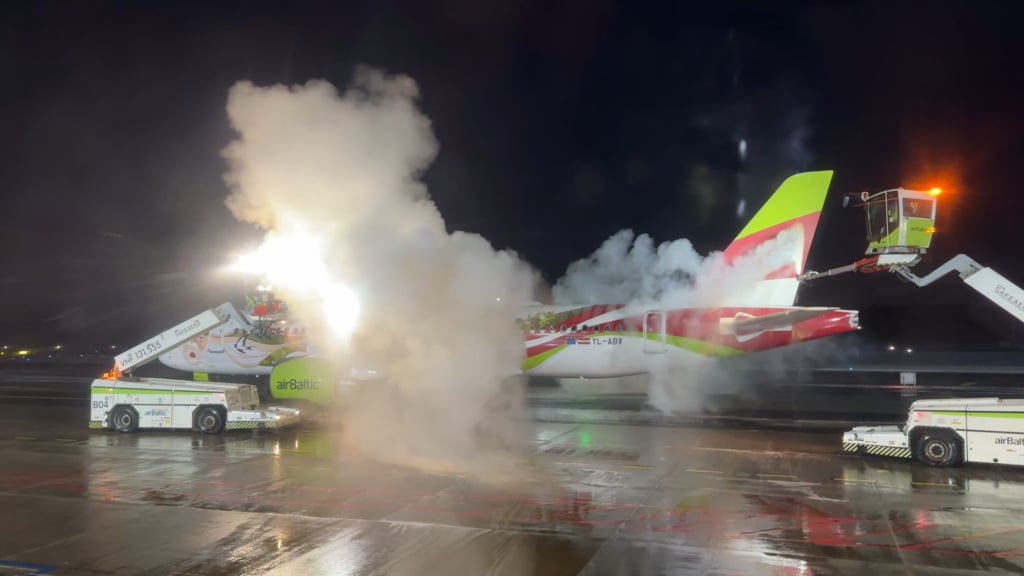
−21°C outside and the plane gets a spa treatment before takeoff
Title: Frozen Runways & Warm Wings: The Curious Ritual of Giving Planes a “Spa Day” in -21°C Frost
Meta Description: Discover why planes get a steamy “spa treatment” in extreme cold (-21°C) before takeoff. Learn how de-icing keeps flights safe, efficient, and ready to conquer icy skies.
-21°C and a Plane’s “Spa Treatment”: The Secret to Safe Winter Flights
Picture this: it’s -21°C outside, frost clings to every surface, and your breath fogs the air. While passengers bundle up for their flight, something unexpected happens outside: the airplane gets pampered like it’s at a luxury spa. Giant trucks spray it with steaming fluids, enveloping the plane in a cloud of warmth. This isn’t just a quirky ritual—it’s a life-saving pre-flight checklist item called de-icing. Here’s why planes need this Arctic “spa day” and how it keeps travelers safe.
Why -21°C Demands Special Attention
Cold weather isn’t just uncomfortable—it’s a hidden danger for aircraft. At -21°C, frost, ice, or snow can accumulate on wings, engines, and control surfaces in minutes. Even a thin layer of ice disrupts airflow, increases drag, and reduces lift. This can lead to catastrophic outcomes, like the 1982 Air Florida Flight 90 crash, where ice on the wings contributed to tragedy. Today, de-icing is federally mandated—and rigorously enforced—to prevent such disasters.
Key risks of ice on planes:
- 📉 Loss of Lift: Ice alters wing shape, making takeoff harder.
- 🚫 Engine Damage: Ice chunks can detach and damage turbines.
- 🕹️ Control Failure: Frozen rudders or flaps limit pilot maneuverability.
Behind the Scenes: The Plane’s “Spa Treatment” Explained
De-icing isn’t just a quick spray—it’s a precise science. Here’s how it works in bone-chilling -21°C conditions:
-
Pre-Treatment Inspection
Before any fluids flow, crews inspect the plane for ice using infrared sensors and visual checks. Critical areas include wings, tail, and engine inlets. -
The “Exfoliation” Phase: De-Icing
Heated Type I fluid (a mix of water and glycol) blasts away existing ice at 60–80°C. The steam melts ice instantly, like a hot towel on frosty glass. -
The “Moisturizing” Phase: Anti-Icing
Next, thicker Type IV fluid (a sticky glycol blend) coats the plane. This “holdover time” layer acts like a shield, preventing ice buildup for up to 45 minutes—enough time for takeoff. -
Speed Is Critical
Crews work fast. Fluids lose effectiveness quickly at -21°C, so planes must depart within minutes of treatment.
Tech & Teams: The Unsung Heroes of Winter Aviation
- De-Icing Trucks: Nicknamed “Arctic showers,” these rigs heat fluids to 82°C and spray planes from 30-foot booms.
- Pilots’ Role: They calculate holdover times and request re-treatment if delays occur.
- Eco Innovations: Airlines use biodegradable glycols and recycle 90% of fluids to cut environmental impact.
Passenger Perks: Why You Should Appreciate the Delay
That 20-minute de-icing delay? It’s a lifesaver—literally. Here’s why winter flyers should embrace the wait:
- Safety First: Every U.S. flight undergoes de-icing below 5°C if moisture is present.
- Efficiency Boost: A clean plane burns 15% less fuel by reducing drag.
- Comfort: Smooth takeoffs mean less turbulence over icy clouds.
Pro Tip: If you’re flying in extreme cold, pack patience—and snap a photo of the “spa” process. It’s aviation’s coolest (and warmest!) ritual.
Final Boarding Call
At -21°C, a plane’s steamy spa session isn’t just quirky—it’s non-negotiable physics. Next time you’re buckled in on a frozen tarmac, remember: that ghostly spray is what turns an ice-coated machine into a sky-ready marvel. Winter flights may face frosty challenges, but thanks to de-icing, we soar above them—literally.
FAQs
Q: Can planes fly without de-icing in extreme cold?
A: No. Ice buildup violates FAA/global safety rules. Even “clear” frost requires treatment.
Q: Does de-icing affect flight schedules?
A: Yes, but delays are far shorter than cancellations due to ice-related incidents.
Q: How do pilots know if ice reforms mid-flight?
A: Planes have onboard sensors and anti-ice systems (e.g., heated wing edges).
Explore the Heat Beneath the Frost ✈️❄️🔥