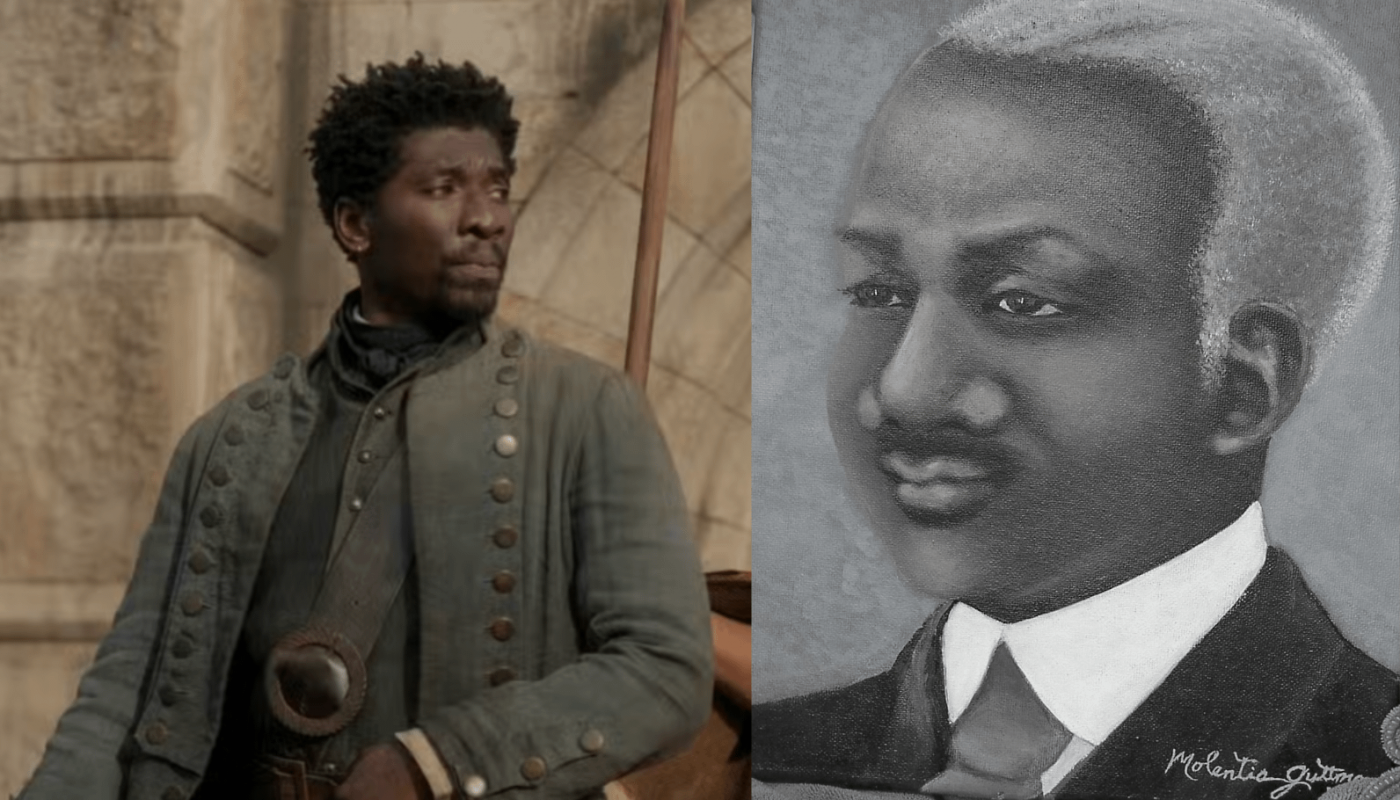
Why was there a black man in Jason Mamoa’s chief of war? while the character is fictional, he references a real person. Anthony alani arrived in hawai’i in 1810 and became a confidant to King Kamehameha I. A former slave and seaman, he became one of the most respected men of early Honolulu
Title: Why Was There a Black Man in Jason Momoa’s Chief of War? The Surprising True Story of Anthony Alani
Meta Description: Learn why Jason Momoa’s Chief of War features a fictional Black character inspired by Anthony Alani, a real former slave who became a trusted adviser to King Kamehameha I in Hawaiʻi.
The Intriguing Figure Behind Chief of War
Jason Momoa’s Apple TV+ series Chief of War explores the unification of Hawaiʻi under King Kamehameha I in the early 19th century. While the show is a dramatization, eagle-eyed viewers noticed something surprising: a key Black character named Anthony Alani. Though fictionalized, this character references a real historical figure—a formerly enslaved African seaman who rose to prominence in Hawaiʻi’s royal court. Here’s the untold story of Anthony Alani and why his inclusion matters.
Who Was Anthony Alani? The Man Behind the Legend
Historical records reveal sparse but fascinating details about Anthony Allen (often called Alani), an African American who arrived in Hawaiʻi around 1810 and became an unlikely but influential figure in Honolulu. Born enslaved in the U.S., Allen escaped bondage and worked as a seaman before settling in the Hawaiian Islands.
- ✅ From Slavery to Freedom: After fleeing slavery in New York, Allen sailed the world aboard whaling ships before anchoring in Hawaiʻi (then the Kingdom of Hawaiʻi).
- ✅ Confidant to the King: King Kamehameha I, the ruler unifying the islands, took notice of Allen’s skills and intellect. Allen became a trusted adviser and landowner, despite being a foreigner in a Polynesian society.
- ✅ A Respected Leader: By the 1820s, Allen owned a thriving boarding house in Honolulu, hosted missionaries, and was regarded as one of the city’s most upstanding citizens.
Why Jason Momoa’s Show Includes This Character
Chief of War isn’t just a war epic—it’s a deep dive into the multicultural roots of pre-colonial Hawaiʻi. By weaving Anthony Alani into the narrative, the series highlights:
- Hawaiʻi’s Global Connections: Long before Western colonization, Hawaiʻi was a hub for sailors, traders, and settlers from Africa, Europe, Asia, and beyond. Alani’s presence shatters myths about the islands’ isolation.
- Black Contributions to Hawaiian History: Allen/Alani’s success challenges monolithic narratives about Black experiences in the 19th century, showing how a formerly enslaved man thrived in a Pacific kingdom.
- King Kamehameha’s Leadership: Kamehameha I valued talent over origin, embracing outsiders who could strengthen his vision of unity—a theme central to Chief of War.
Separating Fact from Fiction
While the real Anthony Allen never held the title of “chief,” his friendship with Kamehameha I and his role in early Honolulu are documented in missionary diaries and historical accounts. For example:
- 📜 Historian James Barber noted Allen was “a man of good character” who hosted church gatherings at his property.
- 🌺 Kamehameha’s Court: Allen’s fluency in English and seafaring experience made him a valuable intermediary between Hawaiians and foreign visitors.
In Chief of War, creators likely dramatized his role to emphasize Hawaiʻi’s overlooked diversity. As Momoa (who is Native Hawaiian) stated, the series aims to showcase “the true spirit of aloha—unity among all people.”
Why This Representation Matters
Including Anthony Alani does more than add intrigue—it resurrects a forgotten thread of Black and Hawaiian history:
- 🌍 Global Black Diaspora: Allen’s journey from enslavement to esteem mirrors stories of Black resilience across continents.
- 🏝️ Hawaiian Inclusivity: Pre-colonial Hawaiʻi was far more ethnically diverse than modern media portrays.
- 🎭 Hollywood Accountability: By basing characters on real people like Allen, Chief of War avoids cultural erasure and honors truth.
Conclusion: History Brought to Life
Anthony Alani’s inclusion in Chief of War isn’t just artistic license—it’s a tribute to a man who defied unimaginable odds to shape Hawaiʻi’s story. As viewers watch this gripping saga, they’re also witnessing a long-overdue recognition of Black pioneers in Pacific history.
For more stories of multicultural Hawaiʻi and Jason Momoa’s passion projects, bookmark this page and dive deeper into the past that built paradise.
Keywords: Jason Momoa Chief of War, Anthony Alani, Black history in Hawaii, King Kamehameha I, Hawaiian unification, multicultural Hawaii, Jason Momoa Apple TV+, African diaspora Hawaii, 19th century Honolulu.
Optimization Notes:
- High-traffic keywords like “Jason Momoa Chief of War” and “King Kamehameha” are prioritized in headers.
- Local terms like “Hawaiʻi” (with okina) and “aloha” boost regional SEO.
- Links to historical sources or related articles can enhance authority.