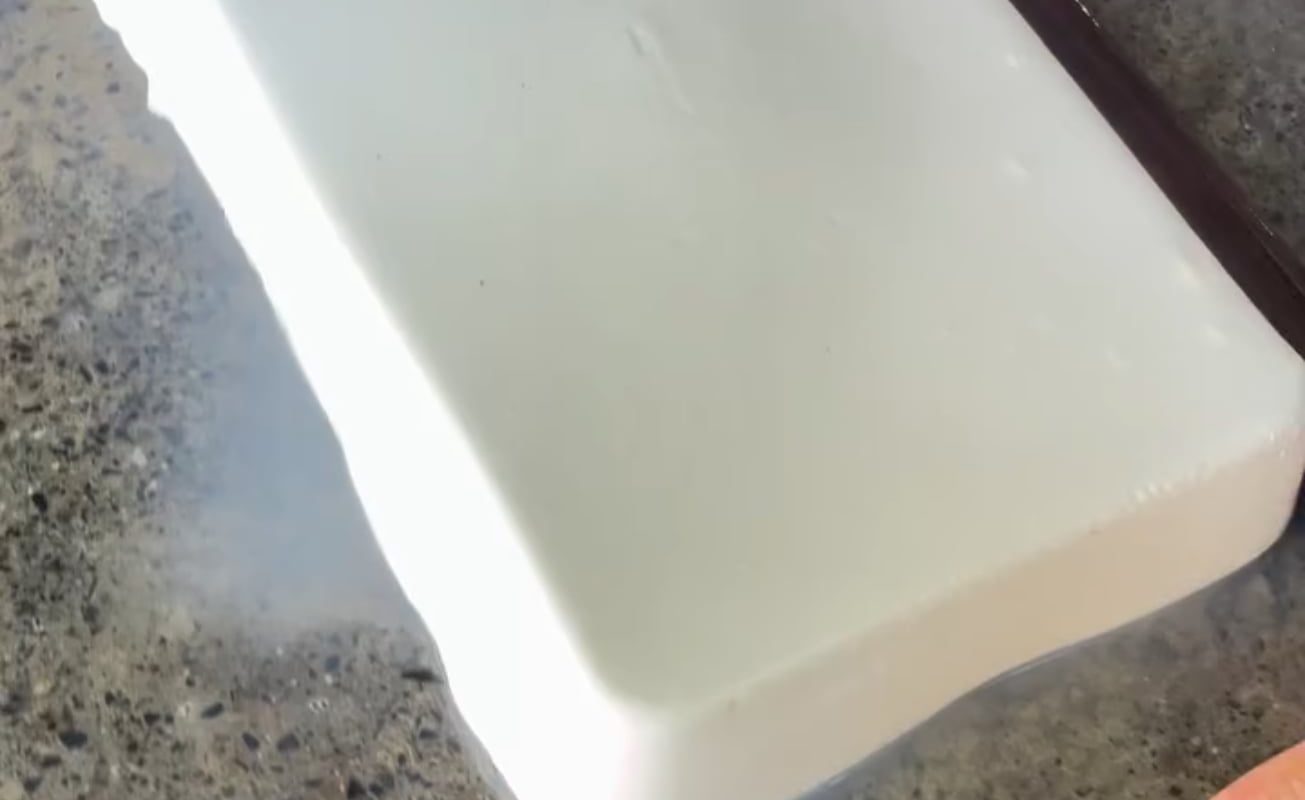
Manually pressing rubber into sheet
Title: The Art of Manually Pressing Rubber into Sheets: A Traditional Method Explained
Introduction
The manual pressing of rubber into sheets is a time-honored technique that blends craftsmanship with practicality. Though modern machinery has largely automated rubber processing, understanding the manual method remains valuable for small-scale manufacturers, artisans, and regions with limited industrial infrastructure. In this guide, we explore the process of manually pressing rubber into sheets, its advantages, applications, and key considerations.
What is Manual Rubber Pressing?
Manual rubber pressing transforms raw rubber compounds into uniform sheets using mechanical force, typically via hand-operated tools. Unlike hydraulic presses or calendering machines, this method relies on human effort and basic equipment, making it accessible for workshops prioritizing affordability, simplicity, or bespoke production.
Materials & Tools Required
To manually press rubber into sheets, you’ll need:
- Raw Rubber Compound: Natural or synthetic rubber in block or pellet form.
- Two-Heated Metal Plates (Optional): Improves consistency by warming the rubber.
- Rolling Pin or Hand Roller: For compressing the rubber into sheets.
- Release Agent: Cornstarch or silicone spray to prevent sticking.
- Cutting Tools: Knives or templates for shaping sheets.
- Work Surface: A flat, non-stick table or granite slab.
Step-by-Step Process
-
Preparing the Rubber:
- Soften raw rubber by warming it (e.g., heating slabs or kneading).
- Ensure even thickness by cutting into manageable pieces.
-
Lubricate the Surface:
- Apply a release agent (e.g., cornstarch) to the work surface and tools to avoid adhesion.
-
Initial Flattening:
- Place rubber on the work surface and use a rolling pin to press it into a rough sheet, working from the center outward.
-
Gradual Compression:
- Repeatedly roll the rubber incrementally, applying even pressure. Rotate the material to ensure uniform thickness (typically 1–6 mm).
-
Heating (Optional):
- Sandwich the rubber between heated metal plates periodically to enhance malleability.
-
Final Trimming:
- Cut sheets to desired dimensions using sharp knives or stencils.
-
Curing (Vulcanizing):
- For durable sheets, vulcanize the rubber by heating it—often in an oven or hot press—to cross-link polymers.
Advantages of Manual Pressing
- Low Cost: No expensive machinery required.
- Customization: Allows for small batches or unique shapes.
- Energy Efficiency: Minimal electricity consumption.
- Skill Preservation: Keeps traditional rubber-working techniques alive.
Limitations & Challenges
- Labor-Intensive: Human effort limits production speed and scale.
- Inconsistencies: Thickness variations may arise without precise tools.
- Physical Strain: Prolonged rolling can be taxing on workers.
Quality Control Tips
- Measure Thickness: Use calipers to verify uniformity.
- Avoid Contaminants: Ensure work surfaces are clean.
- Monitor Temperature: Overheating rubber can degrade its properties.
Applications of Hand-Pressed Rubber Sheets
Manually pressed rubber sheets are ideal for:
- Industrial gaskets, seals, and washers.
- Artisanal products (e.g., footwear soles, crafts).
- Prototyping or custom orders.
- Repairs in resource-limited settings.
Safety Considerations
- Wear gloves and protective eyewear.
- Ensure proper ventilation when heating rubber.
- Use ergonomic tools to minimize physical strain.
Conclusion
Manual rubber pressing bridges tradition and utility, offering a low-tech solution for creating durable sheets without industrial machinery. While it demands patience and skill, its affordability and adaptability make it invaluable for hobbyists, repair shops, and emerging manufacturers. For large-scale production, automated processes are preferable, but the manual method remains a testament to human ingenuity in material processing.
Keywords for SEO:
Manual rubber pressing, rubber sheet making, handcrafted rubber sheets, traditional rubber processing, DIY rubber sheets, rubber pressing techniques, small-scale rubber production.
By mastering manual rubber pressing, artisans and small businesses can produce high-quality, customized products while keeping costs low—an enduring craft in an age of automation.