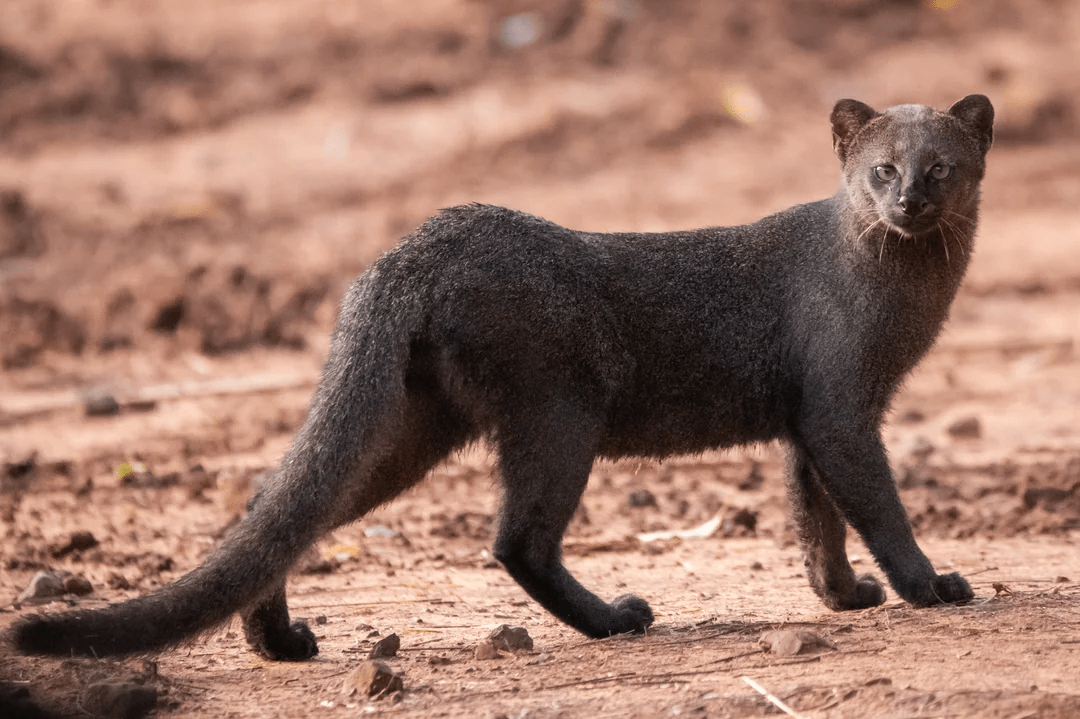
The Jaguarundi is known as an otter cat because it resembles an otter
The Jaguarundi: Discovering the Mysterious “Otter Cat”
Often called the “otter cat” due to its uncanny resemblance to the aquatic mammal, the Jaguarundi (Herpailurus yagouaroundi) is one of the most unique and elusive wild cats in the Americas. With its elongated body, short legs, and fluid movements, this feline baffles observers and sparks curiosity among wildlife enthusiasts. In this deep dive, we explore the biology, behavior, habitat, and conservation of this enigmatic creature.
What Makes the Jaguarundi an “Otter Cat”?
The Jaguarundi’s nickname stems from its striking physical traits:
- Body Shape: Unlike most cats, it has a long, slender torso (20–30 inches) and short legs, mimicking an otter’s streamlined form.
- Tail: Its tail is exceptionally long (12–24 inches) and tapered, aiding balance during climbs and sprints.
- Head and Ears: A small, flattened head with rounded ears gives it a weasel-like appearance.
- Coat Colors: Ranges from dark gray/brown (nicknamed “eyra”) to bright reddish-chestnut, blending into diverse habitats.
These adaptations allow it to navigate dense forests, scrublands, and wetlands with otter-like agility.
Habitat and Distribution: Where Does the Otter Cat Live?
Jaguarundis inhabit a vast range across Central and South America, from northern Mexico to Argentina. They’ve also been spotted in rare sightings in Texas and Florida. Preferring lowland areas below 6,500 feet, they thrive in:
- Tropical rainforests
- Thorny scrublands
- Swamps and marsh edges
- Abandoned plantations or regenerating forests
Unlike many cats, they avoid open plains, relying on dense cover for hunting and protection.
Behavior and Diet: The Secretive Hunter
Jaguarundis defy typical feline stereotypes:
- Diurnal Lifestyle: They’re most active during dawn/dusk (crepuscular) or daytime, unlike nocturnal relatives.
- Solitary but Social: While usually solitary, they’ve been observed in pairs or small groups, communicating with whistles, chirps, and purrs.
- Versatile Diet: As opportunistic hunters, they prey on:
- Rodents, rabbits, and opossums
- Birds (even mid-flight!) and reptiles
- Occasional fish or frogs, showcasing semi-aquatic tendencies akin to otters.
Their hunting style combines swift ground pursuit with tree-climbing prowess.
Reproduction and Lifespan
Little is known about their mating habits in the wild, but captive studies reveal:
- Breeding Season: Occurs year-round in tropical zones, peaking in November/December.
- Litters: Females birth 1–4 kittens after a 70–75-day gestation.
- Independence: Kittens stay with their mother for up to 10 months before dispersing.
- Lifespan: Up to 15 years in captivity; wild longevity is less documented but likely shorter due to threats.
Conservation Status: Threats and Protection
Classified as Least Concern by the IUCN, Jaguarundis face localized declines from:
- Habitat Loss: Deforestation for agriculture and urban expansion.
- Road Mortality: Collisions with vehicles fragment populations.
- Human Persecution: Occasionally killed for poultry predation or mistaken identity.
While not globally endangered, Mexico and Texas list them as endangered. Conservation efforts focus on preserving corridors of dense vegetation and reducing roadkill hotspots.
The Jaguarundi’s Role in Ecosystem Balance
As mid-level predators, Jaguarundis help control rodent and reptile populations. Their presence signals a healthy ecosystem, making them vital to biodiversity. Protecting their habitats—such as Mexico’s Sierra Madre or Brazil’s Pantanal—benefits countless other species.
Can You Spot a Jaguarundi? Eco-Tourism Tips
Wild sightings are rare but possible in reserves like:
- Corcovado National Park (Costa Rica)
- Pantanal Wetlands (Brazil)
- El Cielo Biosphere Reserve (Mexico)
Look for them near water sources at dawn, moving like shadows through underbrush—remember to keep a respectful distance!
FAQ About the Otter Cat
- Are Jaguarundis dangerous to humans?
No—they’re shy and avoid contact. There are no records of wild Jaguarundis attacking people. - Can Jaguarundis be kept as pets?
While exotic pet trade exists, they’re wild animals with complex needs unsuitable for domestication. - Do they truly resemble otters?
Only in body shape and habitat flexibility—they lack webbed feet or aquatic dependency.
Conclusion
The Jaguarundi is a marvel of evolutionary adaptation, blurring the lines between cats, otters, and weasels. As guardians of ecosystems from the Amazon to Texas scrublands, these “otter cats” deserve our attention and protection. By supporting habitat conservation and eco-friendly tourism, we ensure future generations can marvel at this enigmatic feline’s secrets.
Meta Description
Discover the Jaguarundi, the elusive “otter cat” of the Americas! Learn about its unique biology, habitat, behavior, and conservation in this SEO-optimized wildlife deep dive.