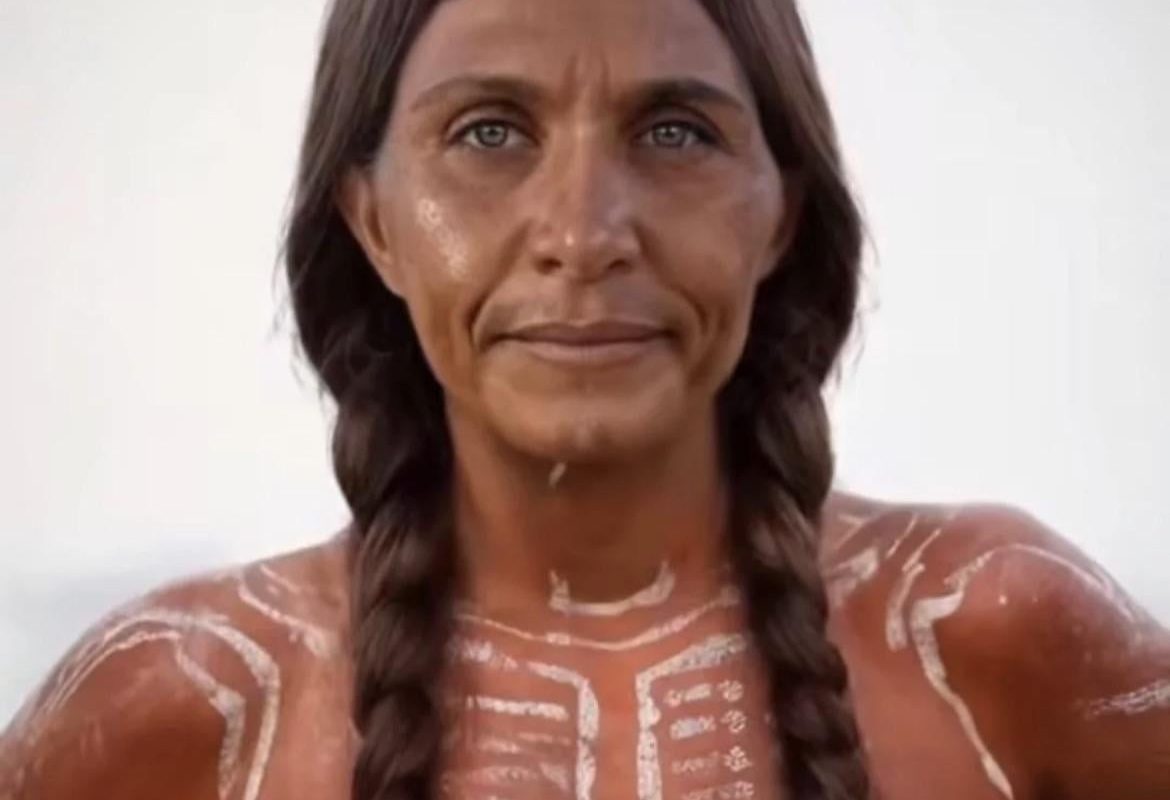
9,000-year-old (WHG) women from Germany
Title: Unearthing the Mysteries of Germany’s 9,000-Year-Old WHG Women: Life, Legacy, and Genetic Secrets
Meta Description: Discover the fascinating story of Germany’s 9,000-year-old Western Hunter-Gatherer (WHG) women. Explore their lifestyle, genetic legacy, and how ancient DNA reshapes our understanding of prehistoric Europe.
Introduction
Deep within the soil of Germany lies a window into Europe’s ancient past: the remains of women who lived roughly 9,000 years ago during the Mesolithic era. These individuals belonged to the Western Hunter-Gatherer (WHG) population, a group that thrived after the Ice Age but vanished with the arrival of Neolithic farmers. Recent archaeological discoveries and advancements in ancient DNA analysis have illuminated their lives, revealing remarkable insights about their health, culture, and genetic legacy. This article explores the world of these ancient women and their enduring significance in European prehistory.
Who Were the Western Hunter-Gatherers?
The WHG were among Europe’s earliest post-Ice Age inhabitants, occupying the continent between 15,000 and 5,000 years ago. As nomadic hunter-gatherers, they relied on wild resources—hunting game like deer and aurochs, fishing in rivers, and gathering berries, nuts, and tubers. Genetic studies confirm WHG populations were genetically distinct from Neolithic farmers (who arrived in Europe from Anatolia around 8,000 years ago) and later Yamnaya herders from the Eurasian steppe.
Archaeological Discoveries in Germany
Germany has emerged as a hotspot for WHG research, with key sites like Blätterhöhle cave (North Rhine-Westphalia) and Loschbour (Luxembourg, near the German border) revealing human remains dating back 9,000 years. Female skeletons from these sites provide a rare glimpse into Mesolithic lifeways:
-
Burial Practices:
WHG women were often buried in flexed positions, sometimes adorned with shell or bone jewelry. Graves lack elaborate grave goods, suggesting egalitarian societies. -
Health and Diet:
Isotopic analysis of their bones and teeth reveals a protein-rich diet dominated by fish and meat. Despite this, women faced health challenges, including tooth decay (from starchy wild plants), infections, and skeletal injuries from labor-intensive lifestyles.
Genetic Insights: The DNA of Ancient WHG Women
Groundbreaking studies—like the analysis of a 9,000-year-old WHG woman from Blätterhöhle—have decoded their genetic blueprints:
- Haplogroups: Many WHG women belonged to mitochondrial haplogroup U5, a genetic lineage common among European hunter-gatherers and linked to cold adaptation.
- Phenotype: They likely had dark skin, dark hair, and blue eyes—a striking contrast to later Neolithic populations.
- Neolithic Assimilation: WHG ancestry persists in modern Europeans, particularly in Northern Europe (up to 25% in Scandinavians), proving they interbred with incoming farmers.
The Role of Women in WHG Societies
While much about Mesolithic gender roles remains speculative, archaeological evidence suggests WHG women were vital contributors:
- Food Gathering: Plant gathering and processing likely fell to women, supplementing the protein from male hunting activities.
- Tool Production: Bone