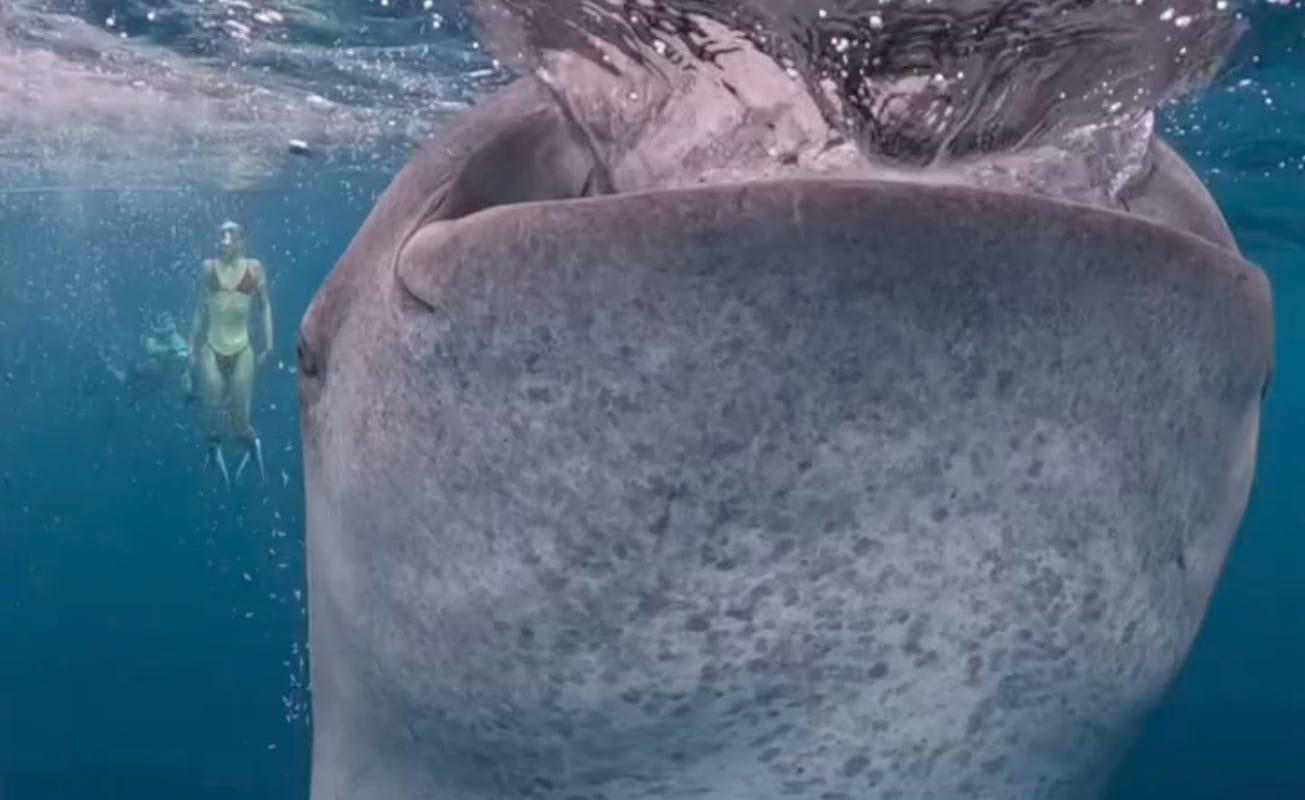
Whale sharks feeding in the warm waters. They are the world’s largest living fish.
Title: Whale Sharks Feeding in Warm Waters: The Gentle Giants’ Dining Rituals
Meta Description: Discover how whale sharks, the world’s largest fish, feed in the planet’s warmest waters. Learn about their filter-feeding habits, migration patterns, and the vital role they play in marine ecosystems.
Introduction
Whale sharks (Rhincodon typus) are awe-inspiring behemoths of the ocean, holding the title of the world’s largest living fish. Reaching lengths of up to 40 feet (12 meters) or more, these gentle giants traverse tropical and subtropical waters in search of their favorite meals: plankton, krill, and small fish. Their feeding behaviors, particularly in warm waters, offer a spectacular glimpse into the delicate balance of marine life. In this article, we’ll dive deep into the fascinating feeding rituals of whale sharks and why warm waters are critical to their survival.
Why Whale Sharks Prefer Warm Waters
Whale sharks are highly migratory, often traveling thousands of miles to inhabit regions where warm currents converge. These waters—typically between 70°F and 86°F (21°C–30°C)—create ideal conditions for their feeding:
- Abundant Food Sources: Warm waters foster massive blooms of plankton, krill, and fish eggs, forming a nutrient-rich buffet.
- Energy Efficiency: Whale sharks are ectothermic (cold-blooded), meaning warmer waters help them conserve energy for feeding and migration.
- Breeding Grounds: Many tropical regions serve as breeding hubs for fish and invertebrates, attracting whale sharks during spawning events.
Popular feeding hotspots include:
- Mexico’s Yucatán Peninsula (summer months for plankton blooms).
- Western Australia’s Ningaloo Reef (March–July for coral spawning).
- Indonesia’s Bird’s Head Seascape (year-round plankton abundance).
How Whale Sharks Feed: Nature’s Perfect Filter
Unlike predatory sharks, whale sharks are docile filter feeders. They use a unique “cross-flow filtration” system to consume up to 1,500 gallons of water per hour while feeding:
- Passive Feeding: They swim slowly near the surface with their massive mouths wide open (up to 4 feet wide!), filtering water through their gill plates.
- Active Feeding: During plankton blooms, they perform vertical “gulp feeding” or even hover vertically to suction dense prey.
- Denticle Defense: Tiny tooth-like scales (dermal denticles) prevent plankton from escaping once trapped.
Their diet is almost exclusively microscopic—perfectly adapted to their low-energy lifestyle.
Ecological Importance: Guardians of the Ocean
By consuming vast amounts of plankton and small fish, whale sharks play a pivotal role in marine ecosystems:
- Nutrient Cycling: Their waste redistributes nutrients, fertilizing phytoplankton growth.
- Prey Population Control: They regulate plankton blooms, preventing imbalances like harmful algal overgrowth.
- Tourism & Research: Feeding aggregations draw eco-tourists and scientists, supporting conservation and local economies.
Threats to Feeding Grounds
Despite their global wanderings, whale sharks face significant risks—especially in warm waters frequented by humans:
- Plastic Pollution: Microplastics are ingested alongside plankton, causing internal damage.
- Overfishing & Bycatch: Targeted fishing for fins/meat and unintended bycatch threaten populations.
- Boat Strikes: Collisions with vessels in busy tourism hubs can be fatal.
- Climate Change: Rising ocean temperatures disrupt plankton cycles and migration routes.
Conservation efforts, such as marine protected areas (MPAs) and responsible tourism guidelines, are critical to their survival.
Where to Witness Whale Shark Feeding
For travelers seeking ethical encounters, several destinations prioritize sustainable whale shark tourism:
- La Paz, Mexico: Snorkel alongside feeding whale sharks from October–April.
- Oslob, Philippines: Year-round sightings (note: controversy exists over baiting practices).
- Tanzania’s Mafia Island: Pristine underwater vistas during October–March.
Always prioritize tours certified by organizations like WWF or Project Aware to ensure minimal impact.
Conclusion
Whale sharks are not just the ocean’s largest fish—they’re vital architects of marine health, thriving in warm waters where food is plentiful. Their feeding habits highlight nature’s intricate connections, reminding us why protecting their habitats is essential. By supporting sustainable tourism and conservation initiatives, we can ensure these gentle giants continue to glide through our oceans for generations.
Keywords: Whale sharks feeding, largest living fish, warm water filter feeders, whale shark conservation, plankton feeding, whale shark migration.
Internal Links (if applicable):
- [Marine Conservation Efforts in Mexico’s Yucatán]()
- [How Climate Change Affects Marine Giants]()
External Links:
Call to Action:
Join the effort to protect whale sharks! Support organizations working to ban plastic pollution and create marine protected areas or donate to whale shark research programs today.