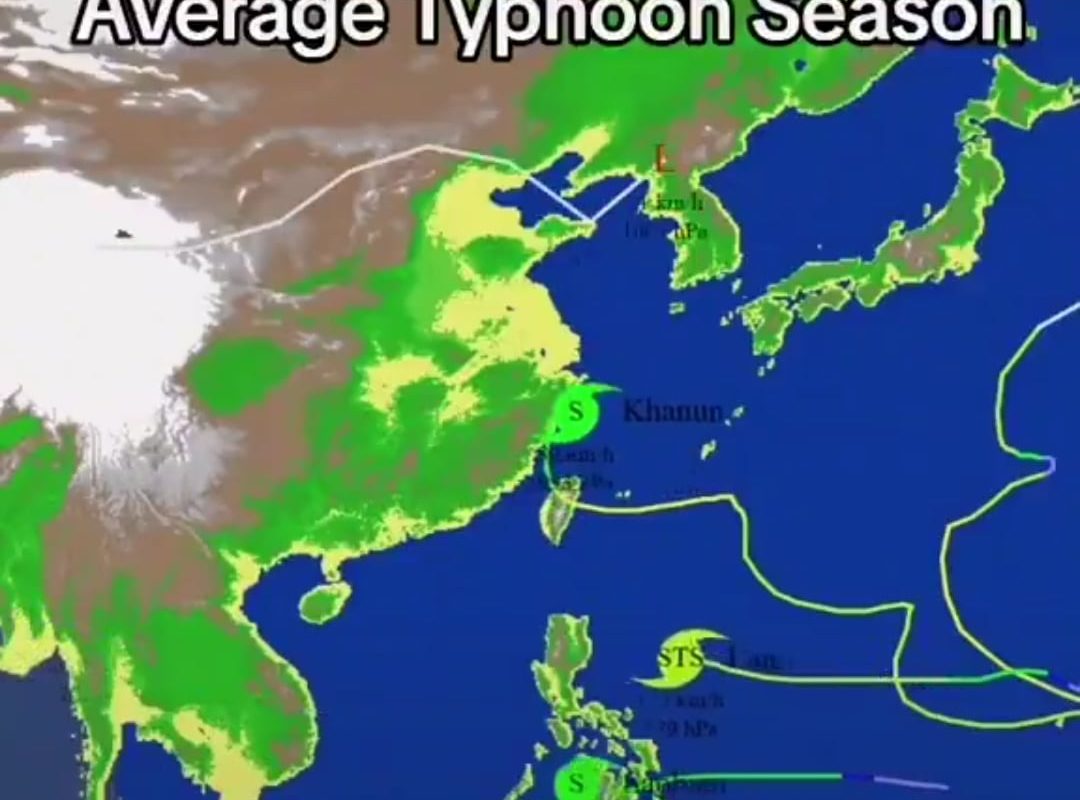
Average Typhoon Season in Southeast Asia
Ultimate Guide to the Average Typhoon Season in Southeast Asia: Timing, Risks & Preparedness
Southeast Asia’s tropical climate is synonymous with stunning beaches, lush rainforests, and vibrant cultures—but it’s also home to one of the world’s most active typhoon belts. Understanding the average typhoon season in this region is critical for travelers, expats, and local communities to stay safe and minimize disruptions. In this article, we break down the timing, hotspots, and practical tips for navigating typhoon season in Southeast Asia.
What is Typhoon Season in Southeast Asia?
Typhoons (known as tropical cyclones or hurricanes in other regions) are intense storm systems that form over warm ocean waters. In Southeast Asia, typhoon season typically aligns with the monsoon cycle, driven by seasonal wind shifts and sea surface temperatures. The peak period varies by location but generally spans May to December, with the highest frequency of storms occurring between July and October.
Regional Breakdown: When & Where Typhoons Strike
While typhoons can affect multiple countries, some nations face higher risks due to their geographical exposure to the Pacific Ocean and South China Sea. Here’s a country-by-country overview:
1. The Philippines
- Peak Season: June – December
- High-Risk Areas: Eastern coasts (e.g., Samar, Leyte, Bicol)
- Notes: The Philippines averages 20+ typhoons annually, making it the most typhoon-prone country globally. Super Typhoons like Haiyan (2013) highlight the need for vigilance.
2. Vietnam
- Peak Season: July – November
- High-Risk Areas: Central and Northern regions (e.g., Da Nang, Hue)
- Notes: Central Vietnam faces dual threats from typhoons and flooding during its rainy season.
3. Southern China (including Hong Kong & Macau)
- Peak Season: July – September
- High-Risk Areas: Coastal Guangdong, Hainan Island
- Notes: Typhoons often curve northwest from the Philippines toward China’s southern coast.
4. Taiwan
- Peak Season: June – October
- High-Risk Areas: Eastern and southern coasts
- Notes: Taiwan’s mountainous terrain amplifies rainfall, leading to landslides.
5. Thailand, Cambodia, & Myanmar
- Peak Season: August – November (later season)
- Risk Level: Lower frequency but still vulnerable to storms originating in the South China Sea.
6. Malaysia, Indonesia, & Singapore
- Risk Level: Rare direct hits, but indirect effects (heavy rain, choppy seas) occur during peak months.
Why Does Typhoon Season Vary?
Several factors influence the timing and intensity of typhoons in Southeast Asia:
- Ocean Temperatures: Warmer Pacific waters (≥26.5°C) fuel storm development.
- Monsoon Patterns: Southwest monsoons (May–September) and northeast monsoons (November–March) steer typhoon paths.
- Climate Change Impact: Rising sea temperatures may prolong typhoon seasons and increase storm intensity.
Impacts of Typhoons in Southeast Asia
Typhoons bring multiple hazards that disrupt daily life:
- Extreme Winds: Gusts exceeding 150 km/h (93 mph) can destroy infrastructure.
- Torrential Rain: Flooding and landslides are common in mountainous areas.
- Storm Surges: Coastal regions face life-threatening tidal waves.
- Economic Losses: Damage to agriculture, tourism, and property costs billions annually.
Preparing for Typhoon Season: Travel & Safety Tips
Whether you’re a resident or visitor, follow these guidelines:
For Travelers
- Avoid Peak Months: Reschedule trips to January–April for drier weather.
- Monitor Forecasts: Use apps like Weather Underground or local meteorological agencies (e.g., PAGASA in the Philippines).
- Purchase Travel Insurance: Ensure coverage for trip delays/cancellations due to storms.
For Residents
- Emergency Kits: Stock water, non-perishable food, flashlights, and first-aid supplies.
- Reinforce Homes: Secure roofs, windows, and outdoor items.
- Evacuation Plans: Know local shelter locations and evacuation routes.
For Businesses
- Backup Systems: Protect data with cloud storage and generators.
- Supply Chain Diversification: Minimize disruptions by sourcing from multiple regions.
Climate Change & the Future of Typhoons
Studies suggest warmer oceans may intensify typhoons, increasing rainfall and wind speeds. Coastal cities like Manila, Ho Chi Minh City, and Hong Kong face growing risks of flooding and infrastructure damage. Governments are investing in early-warning systems, mangrove restoration, and flood-resistant urban planning to mitigate long-term threats.
FAQs About Typhoon Season in Southeast Asia
Q1: When is the worst month for typhoons?
A: September is historically the most active month.
Q2: Can cruises or flights be affected?
A:** Yes—airports and ports often close during severe storms. Check with carriers for updates.
Q3: Are there typhoon-free destinations in Southeast Asia?
A:** Western Indonesia (e.g., Bali, Lombok) and Malaysia’s west coast (Penang, Langkawi) rarely experience direct hits.
Q4: How reliable are typhoon forecasts?
A:** Modern satellite tech provides 3–5 days of advance warning, but paths can shift suddenly.
Conclusion
The average typhoon season in Southeast Asia demands respect and preparedness. By understanding regional patterns, tracking weather updates, and prioritizing safety, individuals and businesses can navigate this volatile season with confidence. Stay informed, stay alert, and prioritize safety to enjoy Southeast Asia’s beauty while minimizing risks.
Meta Description:
Plan your trip or prepare your home! Learn about the average typhoon season in Southeast Asia—peak months, high-risk countries, safety tips, and climate change impacts. Stay informed & stay safe!
Keywords: Typhoon season Southeast Asia, Average typhoon months, Typhoon risks Philippines, Vietnam typhoon season, Typhoon preparation tips, Southeast Asia monsoon season.