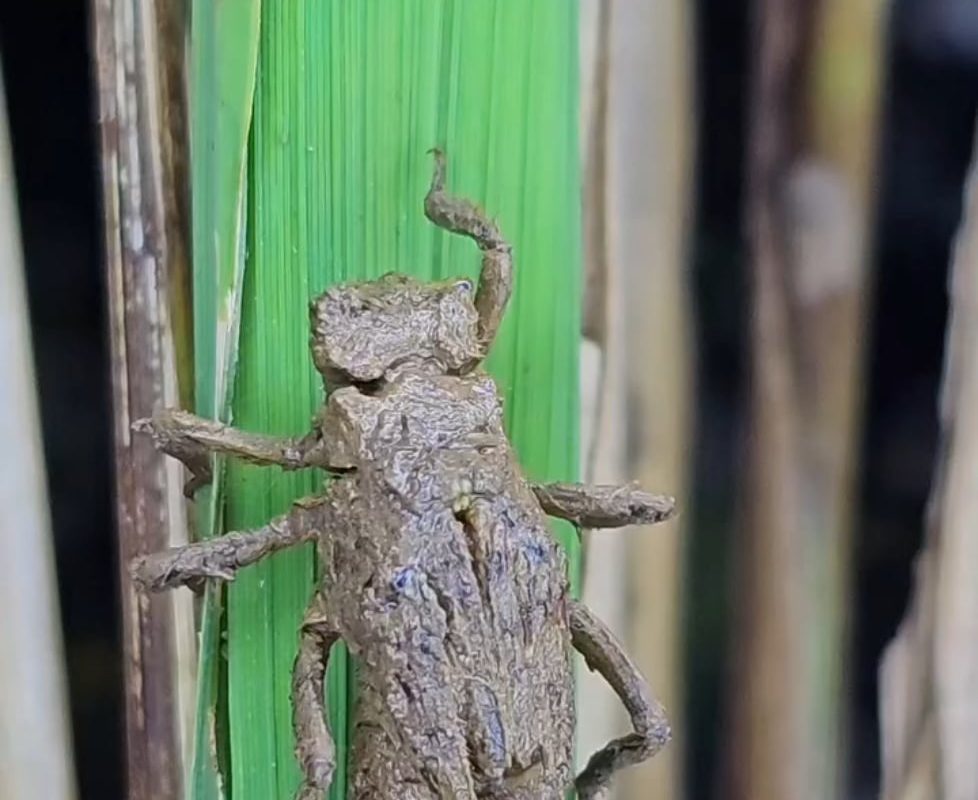
A dragonfly molting
Title: The Amazing Transformation: Unveiling the Secrets of a Dragonfly Molting
Meta Description: Discover the incredible process of dragonfly molting—how and why these aerial acrobats shed their exoskeletons. Explore the science, risks, and marvels of this critical life stage.
Dragonflies are among nature’s most dazzling insects, renowned for their iridescent wings, lightning-fast flight, and role as voracious predators. But one of their most fascinating—and least visible—behaviors is molting, a process essential to their growth and survival. In this article, dive into the hidden world of dragonfly molting, revealing how these insects transform from aquatic nymphs to airborne wonders.
Why Do Dragonflies Molt? The Science of Growth
Dragonflies undergo incomplete metamorphosis, meaning they don’t have a pupal stage like butterflies. Instead, they hatch from eggs into nymphs (or “naiads”), which live underwater for months or even years. During this time, nymphs are trapped inside a rigid exoskeleton—a hard outer shell that doesn’t stretch or grow. To increase in size, they must molt (shed their exoskeleton) multiple times before emerging as adults.
Key Reasons for Molting:
- Exoskeleton Limitations: The chitin-based exoskeleton can’t expand, so molting allows the nymph to grow.
- Developmental Milestones: Each molt brings the nymph closer to adulthood, with wing pads and other adult features developing gradually.
- Repair: Molting helps replace damaged body parts, such as lost legs or antennae.
The Dragonfly Molting Process: Step by Step
Molting is a high-stakes operation for dragonfly nymphs. Here’s how it unfolds:
1. Preparation:
- The nymph absorbs water to swell its body, creating pressure against the old exoskeleton.
- It seeks a safe spot (e.g., a plant stem) to avoid predators during the vulnerable process.
2. Splitting the Exoskeleton:
- A crack forms along the back of the thorax (head/body segment).
- The nymph wriggles and contracts muscles to push out of this opening, head-first.
3. Emergence & Expansion:
- After freeing its legs and abdomen, the nymph pauses to let its new, soft exoskeleton harden.
- It may pump fluid into its wings (if in the final molt) to unfurl them.
4. The Final Molt (Emergence as an Adult):
- In the last molt, the nymph climbs out of the water onto vegetation.
- The adult dragonfly emerges, expands its wings, and flies away—leaving behind the discarded shell (exuvia).
How Many Times Do Dragonflies Molt?
Nymphs molt 10–15 times over their aquatic lifespan, which varies by species (from 2 months to 5 years!). Each stage between molts is called an instar. The final molt, known as emergence, occurs when the nymph transforms into a flying adult—a process that can take hours.
Risks & Adaptations: Surviving the Molt
Molting is perilous. The nymph is soft, immobile, and visible to predators like fish, birds, and other insects. Dragonflies have evolved strategies to boost survival:
- Timing: Molting often occurs at night or in sheltered areas.
- Speed: Some species complete the process in under 30 minutes.
- Regeneration: Lost limbs can regrow over successive molts.
Fascinating Facts About Dragonfly Molting
- Exuviae as Evidence: Scientists study discarded exoskeletons (exuviae) to monitor dragonfly populations without harming live insects.
- Body Recycling: The nymph often eats its old exoskeleton to reclaim nutrients like calcium.
- Wing Development: Wing pads grow larger with each molt, but fully functional wings only appear in the adult stage.
How You Can Witness Dragonfly Molting
Dragonflies molt near ponds, lakes, or slow-moving streams. Look for:
- Exuviae: Empty nymph shells clinging to reeds or rocks.
- Teneral Adults: Pale, soft-bodied adults resting near water after emergence—their colors darken within hours.
Tip: Quietly observe water edges at dawn in spring/summer for the best chance to see this marvel.
Conclusion: A Testament to Resilience
Dragonfly molting is a breathtaking example of nature’s ingenuity—transforming a water-bound hunter into a master of the skies. Beyond its scientific marvel, this process reminds us of the fragility and resilience inherent in growth. Next time you spot a dragonfly darting overhead, remember the incredible journey it undertook beneath the water’s surface.
Optional FAQ Section (for SEO):
Q: How long does dragonfly molting take?
A: Most molts take 20–60 minutes, but the final emergence can last several hours.
Q: Can adult dragonflies molt?
A: No. Once they reach adulthood, dragonflies don’t molt and live only a few weeks to months.
Q: What does a dragonfly look like right after molting?
A: New adults (tenerals) have soft, pale bodies and crumpled wings. They darken and harden within hours.
Q: How can I help protect molting dragonflies?
A: Preserve wetland habitats, avoid pesticides, and limit shoreline disruption.
Target Keywords:
- Dragonfly molting process
- Nymph exoskeleton shedding
The Incredible Life Cycle of Dragonflies - How do dragonflies grow?
- Dragonfly metamorphosis stages
Image Suggestions (for SEO Alt Text):
- A dragonfly nymph mid-molt with split exoskeleton.
- Close-up of dragonfly exuviae on a reed.
- Teneral dragonfly drying wings after emergence.
Internal Linking Opportunities:
- Link to a piece on “Dragonfly Life Cycle: Egg to Adult.”
- Connect to “The Role of Dragonflies in Ecosystems.”
This structured, keyword-rich article balances scientific depth with readability—perfect for educating readers while ranking well on search engines.