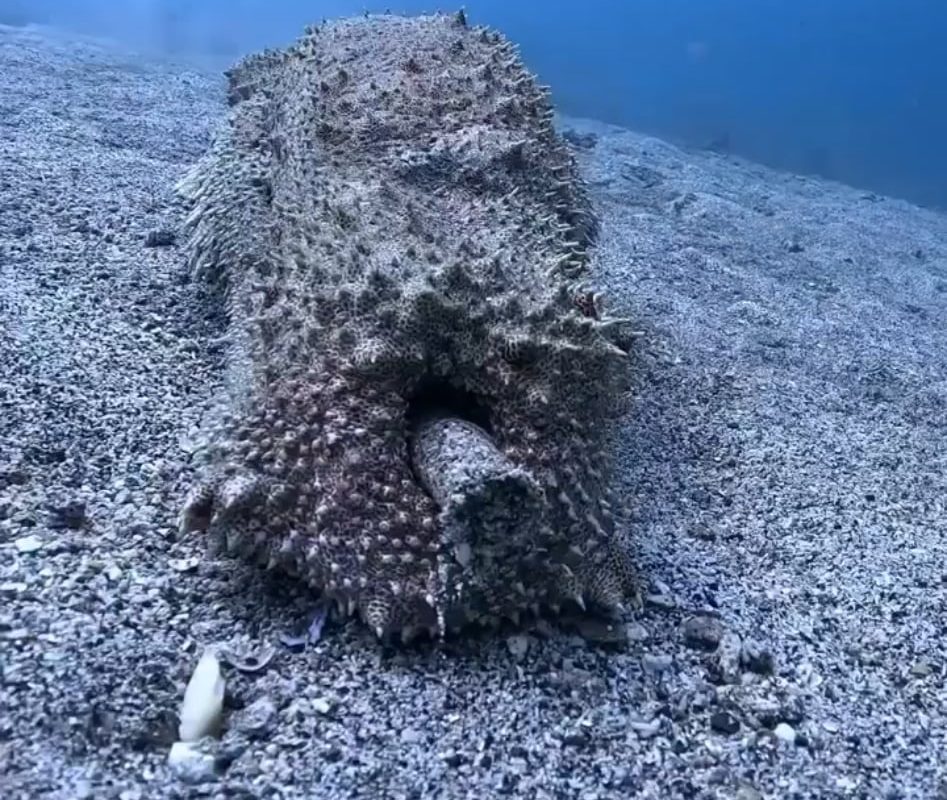
Giant Sea Cucumber poops freshly digested sand
Title: Giant Sea Cucumber Digestion: The Sand-Pooping Marvel of the Ocean
Meta Description: Discover how the Giant Sea Cucumber transforms seabed sand into nutrient-rich waste, fueling marine ecosystems. Learn about its unique digestion and ecological role.
The Giant Sea Cucumber: Nature’s Sand-Processing Superhero
The ocean floor hides some of Earth’s most bizarre ecological engineers—and the Giant Sea Cucumber (Holothuria spp.) is one of them. Famous for ingesting massive amounts of sand and excreting it as freshly digested, nutrient-packed “poop,” this humble invertebrate plays a starring role in sustaining marine biodiversity. Let’s explore how its digestion system works and why its “sandy waste” matters.
Meet the Giant Sea Cucumber
Giant Sea Cucumbers are sausage-shaped echinoderms (relatives of starfish) found in tropical and temperate oceans. Ranging from 1 to 6 feet long, they burrow through seabed sediments using tube feet. But their real claim to fame? Transforming barren sand into fertile substrate—one poop at a time.
How Does a Sea Cucumber “Eat” Sand?
Sea cucumbers are detritivores, meaning they consume decomposing organic matter trapped in sand. Here’s how their digestion works:
-
Vacuum Feeding:
- Using a ring of tentacles around their mouth, they scoop up sand like a living vacuum cleaner.
- A single individual can process up to 50 kg of sand per year.
-
Digestive Sorcery:
- In their gut, microbes break down algae, plankton, and decaying particles.
- Nutrient absorption occurs in the intestine, while indigestible sand is separated.
-
The Big Exit:
- Freshly excreted sand emerges as coiled, spaghetti-like strands (cue the nickname “poop conveyor belt”).
- This waste is lighter in color, softer, and chemically transformed.
Why Sea Cucumber Poop Matters
This “processed” sand isn’t just waste—it’s a marine lifeline:
-
Nutrient Recycling:
Excrement enriches the seabed with calcium carbonate, nitrogen, and phosphorus, acting as fertilizer for seagrass and corals. -
Ocean pH Balancing:
By excreting alkaline calcium carbonate, sea cucumbers counteract ocean acidification in local ecosystems. -
Habitat Engineering:
Their burrowing and pooping aerate sediments, preventing toxic buildup of hydrogen sulfide.
Fun Fact: On some reefs, sea cucumber poop accounts for 50% of all carbonate sediment!
Threats to the Sand-Pooping Heroes
Despite their ecological value, Giant Sea Cucumbers face critical dangers:
- Overharvesting: Prized in Asia as a luxury food (as “bêche-de-mer”), leading to declines of up to 90% in wild populations.
- Habitat Loss: Coastal development and trawling destroy seabed ecosystems.
- Slow Recovery: Many species take 5–15 years to mature, making overexploitation catastrophic.
FAQs About Giant Sea Cucumbers
Q: How much sand can a Giant Sea Cucumber poop in a day?
A: Up to 1.5 cups daily—equivalent to a human-sized creature pooping a bathtub of sand per month!
Q: Is their waste harmful to other marine life?
A: No! Fish, crabs, and worms feast on the nutrient-rich excrement, boosting food webs.
Q: Can humans eat sea cucumbers?
A: Yes, but unsustainable fishing threatens wild populations. Opt for farmed or certified sustainable sources.
Protecting Our Ocean’s Cleanup Crew
Conservation efforts include:
- Fishing Quotas in regions like the Great Barrier Reef.
- Marine Protected Areas (MPAs) to safeguard habitats.
- Aquaculture Programs to relieve wild harvesting pressure.
Final Thought
The Giant Sea Cucumber’s sandy digestion is more than a quirky fact—it’s a vital process that keeps oceans alive. By protecting these unassuming “sand processors,” we invest in healthier reefs, clearer waters, and a balanced marine world.
Image Alt Text Suggestion: Giant Sea Cucumber on ocean floor excreting coiled strands of digested sand.
Keywords for SEO: Giant Sea Cucumber, sea cucumber digestion, sea cucumber poop, marine nutrient cycling, sand-eating sea creature, Holothuria, ocean sediment, marine ecosystem engineers.
Rank your article higher by linking to authoritative sources like NOAA or peer-reviewed studies on sea cucumber ecology. Share this post to spread the word about these unsung ocean heroes! 🌊🪸