Bian Lian: Ancient Chinese “Face Changing” Dramatic Art
Meta Title: Bian Lian: Unveiling the Mystique of China’s Ancient Face-Changing Art
Meta Description: Explore Bian Lian, the mesmerizing “Face Changing” art of Chinese opera. Discover its history, secrets, and cultural significance in this deep dive.
Bian Lian: Ancient China’s Hypnotic “Face Changing” Dramatic Art
Introduction
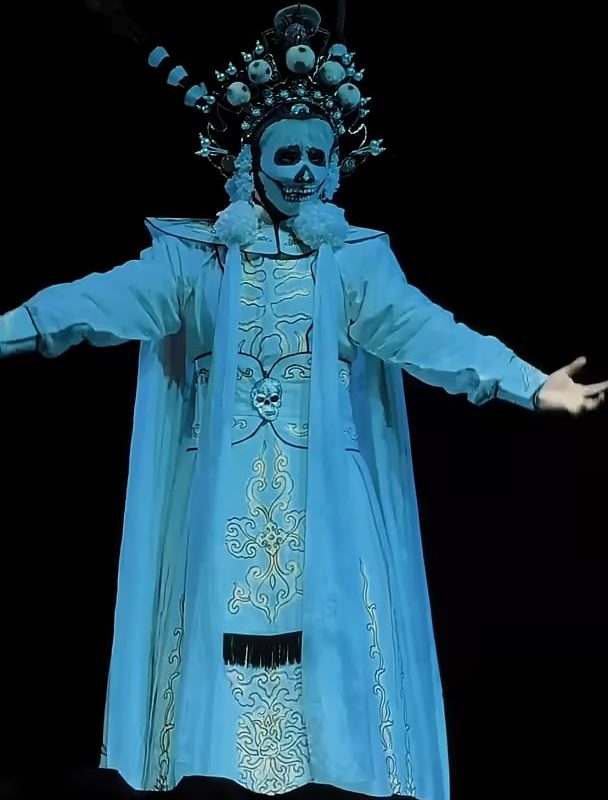
Imagine a performer whirling across a stage, their vibrant costume swirling like a storm of silk—only for their mask to transform instantaneously, colors and expressions shifting in the blink of an eye. This is Bian Lian (变脸), the ancient Chinese “Face Changing” art, one of the most guarded and visually stunning traditions in Sichuan opera. Steeped in mystery, symbolism, and technical mastery, Bian Lian has dazzled audiences for centuries. In this article, we unveil the secrets, history, and cultural power of this legendary performance art.
What is Bian Lian? The Magic of Masked Transformation
Bian Lian, meaning “face changing,” is a dramatic technique where performers switch intricately painted masks with lightning speed—sometimes in less than a second—using subtle hand gestures, body twists, or even a flick of the head. Each mask represents a character’s shifting emotions, fate, or mythological archetypes, creating a silent narrative told through color and motion.
Key Features of Bian Lian:
- 🌟 Speed: Masters can change up to 20 masks in under a minute.
- 🎭 Symbolism: Colors like red (loyalty), black (fury), and gold (divinity) convey meaning.
- 🤫 Secrecy: Techniques are fiercely protected, often passed only within families.
History & Origins: From Temple Rituals to Theatrical Triumphs
Bian Lian traces its roots to the Ming Dynasty (1368–1644), evolving from shamanic rituals and folk tales into a refined theatrical art by the Qing Dynasty (1644–1912). Originally, performers used masks to portray gods, demons, and heroes in religious ceremonies. Over time, it became a staple of Sichuan opera, blending with fire-spitting, acrobatics, and high-pitched vocal styles for maximum spectacle.
Legendary Lore:
- One myth credits a Ming Dynasty rebel who used mask-changing to evade capture.
- Others tie it to Sichuan’s Sichuan opera troupes, who refined it to entertain rural crowds.
How is Bian Lian Performed? The Secrets Behind the Masks
Bian Lian’s techniques are so closely guarded that divulging them risks expulsion from performer guilds. However, some methods have been glimpsed by observers:
- Pull-Mask Technique:
Thin silk masks are layered and yanked off via hidden threads attached to the costume. - Blow-Mask Technique:
A quick breath flips masks attached to the face using resin or powder. - Smear Technique:
Colored powder is concealed in the hand and “smeared” across the face mid-dance.
Modern innovators use magnets or sliding masks for even faster transformations—though purists reserve these for contemporary shows.
Cultural Significance: More Than Theater
Bian Lian isn’t just entertainment; it’s a vessel for Chinese philosophy and moral teachings:
- Balance (Yin-Yang): Quick changes symbolize life’s unpredictability.
- Social Commentary: Stories often critique greed or praise integrity.
- Intangible Heritage: UNESCO and China recognize it as cultural treasure needing preservation.
Where Can You See Bian Lian Today?
While rooted in Sichuan, Bian Lian has gone global. Key spots to experience it live:
- Chengdu’s Shufeng Yayun Teahouse (Sichuan): Daily traditional performances.
- Chinese New Year Festivals: Worldwide celebrations in diaspora hubs like NYC or London.
- TV Shows & Films: Featured in movies like The King of Masks (1996) and Jackie Chan’s The Myth (2005).
Preserving a Dying Art
Fewer than 100 Bian Lian masters remain today. Apprentices train for decades to perfect timing and misdirection. Efforts to sustain it include:
- Government-funded opera schools in Sichuan.
- Digital archives documenting techniques (without revealing secrets!).
- Fusion performances blending Bian Lian with modern dance or VR.
FAQs About Bian Lian
Q: Is Bian Lian magic?
A: No—it’s a mix of agility, engineering, and meticulous rehearsal.
Q: Can anyone learn it?
A: Traditionally, only male apprentices were accepted, but now women like He Hongqing break barriers.
Q: Why keep the techniques secret?
A: Tradition holds that exposing methods “steals the soul” of the art.
Conclusion: The Ever-Changing Face of Tradition
Bian Lian is a breathtaking bridge between China’s past and present—an art where masks speak louder than words. As audiences gasp at each swift transformation, they witness not just theatrical genius but a living testament to human creativity. Whether you see it in a Chengdu teahouse or on TikTok, Bian Lian reminds us that change is the only constant… and sometimes, it’s beautiful.
Experience Bian Lian Yourself:
Check Sichuan opera tours or cultural festivals near you—and prepare to be spellbound!
Keywords for SEO:
Bian Lian, Face Changing, Chinese mask changing, Sichuan opera, traditional Chinese art, cultural heritage, Chinese performance art, ancient Chinese theater, UNESCO intangible heritage.