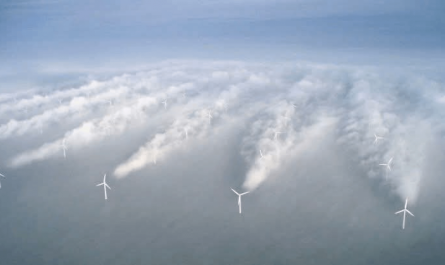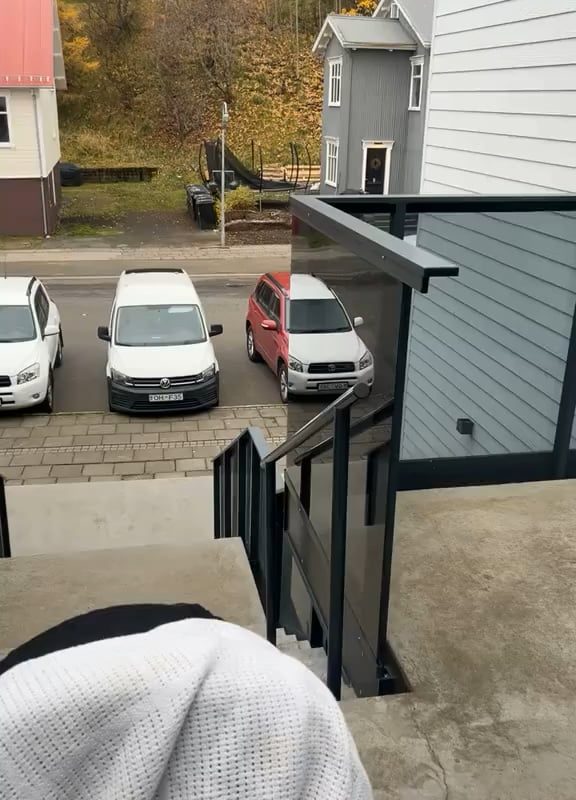
This camera angle…
Title: The Power of Camera Angles: How They Shape Storytelling, Emotion, and Audience Perception
Meta Description: Discover how camera angles influence storytelling, evoke emotions, and guide audience perspective. Learn key techniques every filmmaker and content creator needs to master.
Introduction
Camera angles are one of the most powerful yet often overlooked tools in visual storytelling. Whether in film, photography, or even social media content, the angle of a shot can transform a simple scene into a gripping narrative. It’s not just about what’s in the frame—it’s about how the viewer experiences the subject. In this guide, we’ll break down why camera angles matter, how they manipulate emotions, and how to use them to elevate your visual content.
1. Why Camera Angles Matter
Camera angles are the visual language of perspective. They dictate how audiences interpret power dynamics, emotion, and relationships within a scene. For example:
- High-angle shots (looking down on a subject) can make characters appear vulnerable or insignificant.
- Low-angle shots (looking up at a subject) often convey dominance, heroism, or threat.
- Eye-level shots create relatability and neutrality, making the subject feel accessible.
A subtle tilt or shift in perspective can subconsciously signal tension, intimacy, or even deception.
2. Key Types of Camera Angles and Their Impact
High-Angle Shot
- Effect: Diminishes the subject, evoking weakness or powerlessness.
- Use Case: Horror films often use high angles to make victims seem trapped or helpless (e.g., looking down on a character hiding from a villain).
Low-Angle Shot
- Effect: Empowers the subject, implying authority or intimidation.
- Use Case: Think of iconic villains like Darth Vader—low angles amplify their menace.
Dutch Angle (Tilted Shot)
- Effect: Creates disorientation or psychological unease.
- Use Case: Thrillers like The Dark Knight use Dutch angles during chaotic scenes.
Over-the-Shoulder Shot
- Effect: Builds connection or conflict between characters.
- Use Case: Ideal for dialogue-heavy scenes, like confrontations in The Godfather.
Point-of-View (POV) Shot
- Effect: Immerses the audience in the character’s experience.
- Use Case: Action sequences (e.g., Hardcore Henry) or horror games leverage POV for intensity.
3. Psychological Influence of Camera Angles
- Power Dynamics: A low angle can turn a CEO into a towering figure of authority, while a high angle might reduce them to a pawn in a larger game.
- Emotional Manipulation: A close-up paired with a slight high angle can make a crying character feel pitiable, whereas a low angle might frame their tears as defiance.
- Audience Alignment: Camera angles decide who the audience roots for. For instance, shooting a hero at eye level fosters empathy, while shooting a villain from below makes them imposing.
4. Practical Tips for Choosing the Right Angle
- Match Angle to Intent: Ask: What emotion do I want the audience to feel?
- Suspense → Tilted angles or extreme close-ups.
- Romance → Soft eye-level shots.
- Context Matters: Consider lighting, location, and framing. A low angle in a cluttered room feels claustrophobic; in a grand hall, it feels regal.
- Break Rules Strategically: Sometimes a jarring angle (like a bird’s-eye view in a chase scene) can surprise viewers and heighten engagement.
5. Camera Angles Beyond Film: Social Media & Photography
- Instagram/Facebook: Use high angles for food/flat lays to showcase detail, or low angles for travel photos to emphasize scale (e.g., towering mountains).
- YouTube/TikTok: POV angles work wonders for tutorials, while Dutch angles add flair to comedic or dramatic skits.
- Portrait Photography: A slight low angle can make subjects appear confident, while eye-level shots create warmth.
6. Mistakes to Avoid
- Overusing Dutch Angles: Tilted shots lose impact if used in every scene.
- Ignoring Eyelines: Misaligned angles can confuse spatial relationships between characters.
- Forgetting the Subject: Don’t prioritize “cool angles” over clear storytelling.
Conclusion
Camera angles are more than technical choices—they’re emotional cues that guide an audience’s heart and mind. By mastering angles, you gain control over how viewers interpret your story, whether you’re directing a blockbuster, filming a YouTube vlog, or capturing a portrait. Experiment intentionally, study films you admire, and remember: the right angle can turn a moment into magic.
FAQ
Q: What’s the most versatile camera angle?
A: Eye-level shots—they’re neutral and work for most scenarios, from interviews to everyday storytelling.
Q: How do camera angles affect marketing videos?
A: Low angles make products seem premium; POV shots help viewers imagine using them.
Q: Did famous directors have signature angles?
A: Yes! Wes Anderson uses symmetrical wide shots; Spielberg often uses “over-the-shoulder” to build tension.
Optimize your visual content with intentional camera angles—it’s the secret weapon of unforgettable storytelling. 🎥✨