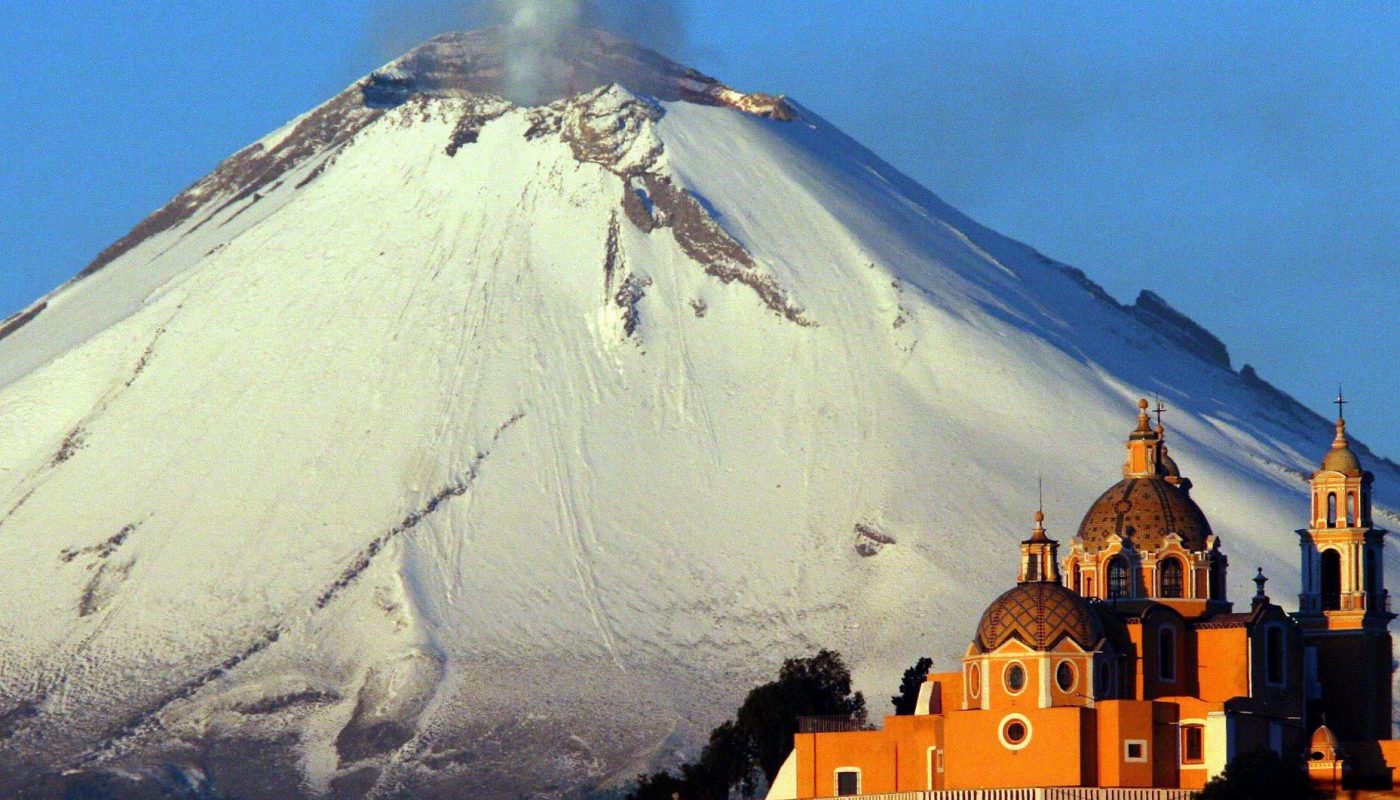
Popocatepelt volcano, Mexico
Meta Title: Popocatépetl Volcano, Mexico: The Legendary “Smoking Mountain” – Guide & Facts
Meta Description: Discover Popocatépetl, Mexico’s iconic active volcano. Explore its geology, cultural legacy, eruption history, safety tips, and how to visit responsibly.
Popocatépetl Volcano, Mexico: The Legendary “Smoking Mountain”
Mexico’s Popocatépetl Volcano—often called “El Popo”—is one of the world’s most iconic and active volcanoes. Towering over Central Mexico, this majestic stratovolcano is steeped in Indigenous legend, geological wonder, and modern-day relevance. Here’s your ultimate guide to understanding and (safely) experiencing this natural giant.
Where Is Popocatépetl Located?
Popocatépetl sits roughly 70 km (43 miles) southeast of Mexico City in the Trans-Mexican Volcanic Belt, forming part of the Sierra Nevada mountain range. It straddles the states of Puebla, Morelos, and México, with nearby cities including Puebla, Amecameca, and Cholula. Its twin peak, Iztaccíhuatl (“Sleeping Woman”), lies just north, creating a dramatic backdrop visible from the capital on clear days.
Key Stats:
- Height: 5,426 meters (17,802 ft) — Mexico’s second-tallest peak after Pico de Orizaba.
- Type: Stratovolcano (composed of layers lava, ash, and rock).
- Status: Active — Monitored 24/7 due to frequent eruptions.
Geology & Eruption History
Popocatépetl is part of the Pacific Ring of Fire, a hotspot for tectonic activity. Its current cone formed around 23,000 years ago after the collapse of an older volcano.
Notable Eruptions:
- Pre-Columbian: Major eruptions occurred in 800 CE and 1519 CE (around the time of Cortés’ arrival).
- Modern Activity:
- After 50 years of dormancy, Popocatépetl awoke violently in 1994, with ash plumes reaching 10 km high.
- Frequent eruptions continue today, including ash emissions, lava dome growth, and occasional pyroclastic flows (most recently in 2023).
Mexico’s National Center for Disaster Prevention (CENAPRED) maintains a traffic-light alert system (currently at Yellow Phase 2 as of 2024), advising residents to prepare for potential evacuations.
Cultural Significance & Legend
Popocatépetl is deeply woven into Mexico’s cultural fabric. Its name means “Smoking Mountain” in Nahuatl, the language of the Aztecs.
The Legend of Popocatépetl & Iztaccíhuatl
This timeless Aztec myth tells of Popoca, a warrior who vowed to return victorious from battle to marry his beloved Iztaccíhuatl. When enemies falsely reported his death, she died of grief. A heartbroken Popoca carried her body to the mountains, knelt beside her with a smoking torch (symbolizing his eternal love and grief), and was turned into stone by the gods. Today, the two peaks immortalize the lovers.
The volcano remains sacred to local communities, who perform rituals asking for its protection.
Can You Visit Popocatépetl?
While climbing Popocatépetl is prohibited due to high volcanic risk, travelers can still admire its grandeur:
Best Viewing & Nearby Attractions:
- Paso de Cortés: A mountain pass between Popocatépetl and Iztaccíhuatl with panoramic views (accessible via Amecameca).
- Cholula: Visit the Great Pyramid of Cholula and its hilltop church for a stunning volcano backdrop.
- Parque Nacional Izta-Popo: Hiking trails around Iztaccíhuatl offer safe vantage points (check alerts beforehand).
- Atlixco & Puebla: Colonial-era towns with volcano vistas and UNESCO World Heritage architecture.
⚠️ Safety First: Always check CENAPRED’s latest alerts, avoid the 12-km exclusion zone, and heed ashfall advisories.
Popocatépetl Today: What’s Next?
Popocatépetl’s activity is constant, with exhalations (gas/ash clouds) occurring weekly. While large eruptions are rare, its proximity to 25 million people in the Mexico City metro area makes it one of the world’s most dangerous volcanoes. Ongoing monitoring and evacuation drills are critical.
Conclusion: A Symbol of Power & Beauty
Popocatépetl Volcano embodies Mexico’s fiery spirit—its raw natural power, rich Indigenous heritage, and resilience. Whether you’re glimpsing its snow-capped peak from a Mexico City rooftop or exploring the foothills of Puebla, this iconic “Smoking Mountain” promises awe and reverence. Stay informed, respect its might, and witness one of Earth’s most captivating wonders.
Plan Your Trip:
- Monitor Alerts: CENAPRED Official Site
- Best Time to Visit: Dry season (November–April) for clearer views.
Keen to explore Mexico’s volcanic wonders? Popocatépetl is an unforgettable start.
Image Suggestion: Feature a hero shot of Popocatépetl erupting at sunset, paired with a view of Iztaccíhuatl from Paso de Cortés.