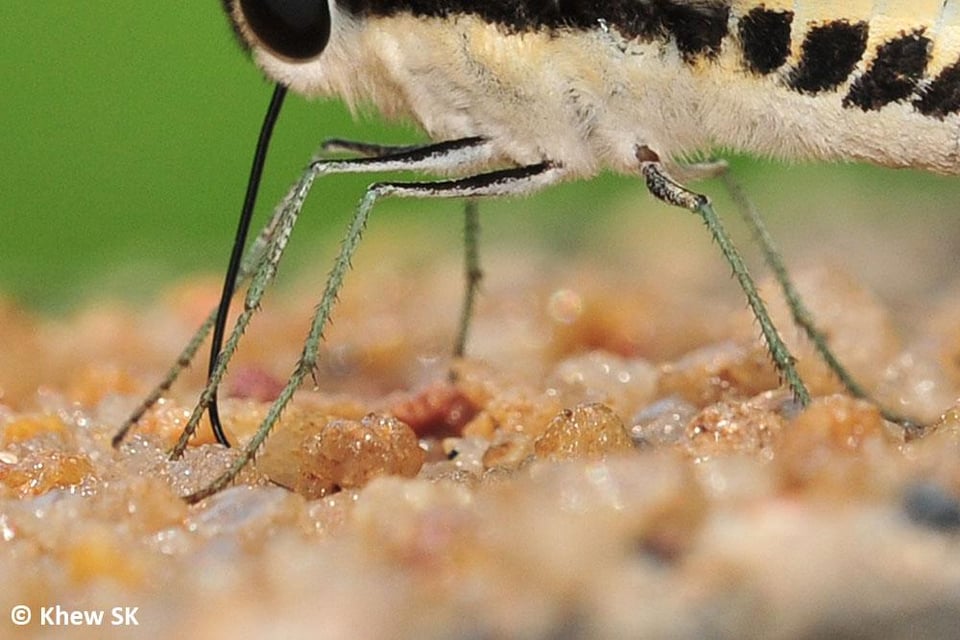
Butterflies have taste receptors on their feet, helping them detect which plants are safe to lay eggs on.
Title: Taste with Their Feet? The Bizarre Way Butterflies Choose Their Host Plants
Meta Description: Discover the incredible science behind butterfly taste receptors on their feet—a unique adaptation that helps them find safe plants for their eggs. Learn how this works, why it matters, and more!
Introduction
Picture a butterfly delicately landing on a leaf, gently tapping it with its feet before fluttering away. What seems like a mundane behavior is actually a matter of life and death for the next generation. Butterflies can taste with their feet—a little-known superpower that allows them to detect the perfect plant to lay their eggs on. In this article, we’ll explore how this adaptation works, why it’s crucial for butterfly survival, and the fascinating science behind it.
The Science Behind Butterfly “Taste”
Taste Receptors on Butterfly Feet
Butterflies belong to a group of insects that use chemoreceptors—specialized sensory cells—to detect chemicals. While humans taste with their tongues, butterflies have taste receptors on their tarsi (the end part of their legs). These receptors allow them to identify host plants by sensing specific compounds.
When a female butterfly lands on a leaf, she “tastes” it by drumming her feet. This releases plant juices, which the receptors analyze to confirm two things:
- Is this plant the right species for her caterpillars to eat?
- Is it free of toxins or predators?
If the plant passes the test, she lays her eggs. Otherwise, she moves on.
Why Plants Matter for Survival
Butterflies are picky for a reason. Their caterpillars can only eat specific plants (called host plants). For example:
- Monarch caterpillars rely on milkweed.
- Swallowtails target plants like dill or parsley.
If a butterfly laid eggs on the wrong plant, her offspring would starve or be poisoned. The foot-tasting ability is an evolutionary hack to ensure her babies thrive.
How Do Butterflies Use This Superpower?
Egg-Laying Precision
Female butterflies don’t just fly at random—they methodically search for host plants. Their foot receptors detect volatile oils, alkaloids, or other signature chemicals in leaves. This explains why you’ll often see them lingering on certain plants while ignoring others.
Avoiding Competition and Predators
Tasting the leaves also helps butterflies avoid plants already occupied by other insects or fungi. This reduces competition for food and lowers the risk of parasitic wasps or ants preying on their eggs.
Why This Adaptation Is Genius
Efficiency and Energy Conservation
Unlike humans, who actively seek food, insects must conserve energy. Taste receptors on the feet allow butterflies to quickly screen plants without needing to bite or sample them—saving time and reducing exposure to predators.
Evolutionary Perfection
This trait evolved over millions of years as butterflies and plants co-evolved. Plants developed chemicals to attract or repel insects, while butterflies refined their ability to detect them. It’s a delicate dance of survival.
Fun Facts About Butterfly Feet
- Not All Butterflies Taste Alike: Some species have more sensitive receptors than others.
- Caterpillars Inherit the Preference: Newly hatched larvae instinctively recognize the host plant their mother chose.
- They Can’t Taste Sugar: Butterfly foot receptors only detect host plant chemicals—not nectar or sweets.
How to Support Butterflies in Your Garden
Want to help these pollinators? Plant native host species! Examples include:
🦋 Milkweed for monarchs
🦋 Parsley or fennel for swallowtails
🦋 Clover for blues and sulphurs
Avoid pesticides, and provide sunny spots for butterflies to bask.
FAQs About Butterfly Taste Receptors
Q: Can butterflies taste with their feet AND their mouths?
A: Yes! Butterflies have taste receptors on their feet and their proboscis (tongue), which they use to identify nectar.
Q: How do caterpillars know what to eat?
A: Caterpillars inherit their mother’s host plant preference. They also have chemoreceptors on their mouths.
Q: Do moths taste with their feet too?
A: Many moths share this trait, though their behaviors vary.
Conclusion
Next time you see a butterfly bouncing from leaf to leaf, remember: it’s not just resting—it’s tasting its surroundings with its feet! This bizarre yet brilliant adaptation ensures the survival of the next generation, highlighting nature’s incredible ingenuity.
By understanding how butterflies interact with plants, we gain a deeper appreciation for these delicate pollinators—and how to protect them. Share this article to spread the wonder of butterflies’ foot-tasting superpower!
Target Keywords:
- butterfly taste receptors on feet
- how do butterflies taste
- butterfly feet facts
- plant detection by butterflies
- female butterfly egg-laying
Image Alt Text Suggestions:
- “Close-up of butterfly feet on a leaf, showing taste receptors.”
- “Female monarch butterfly laying eggs on milkweed.”
Internal/External Linking Opportunities:
- Link to articles about butterfly life cycles or pollinator gardens.
- Reference scientific studies on insect chemoreception (e.g., University of Florida Entomology).
SEO Optimization Notes:
- Use headers (H2, H3) to break up content for readability.
- Keywords appear naturally in first 100 words, headers, and meta description.
- Include FAQs for featured snippets.