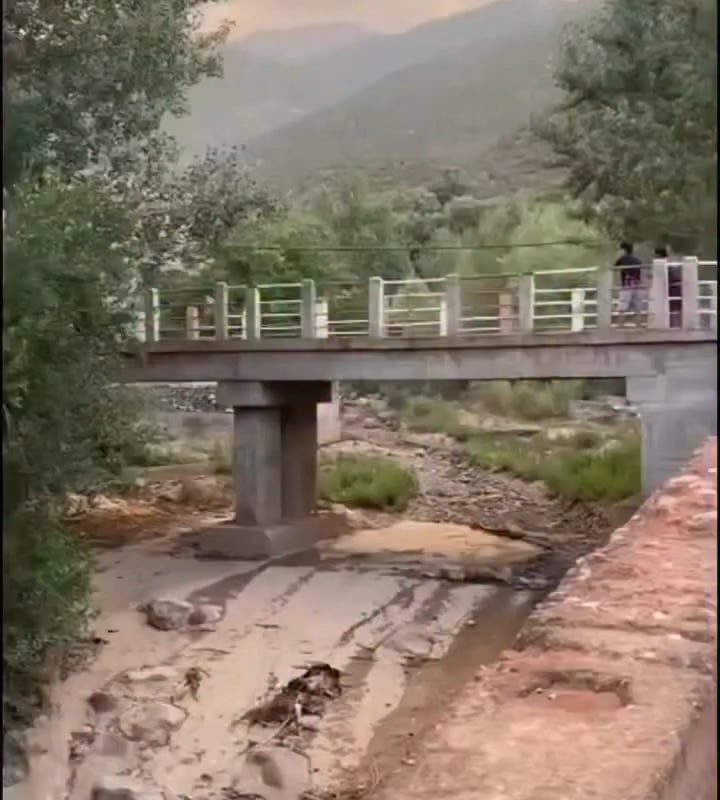
Flow of Flood water
Title: Understanding the Flow of Flood Water: Dynamics, Impacts, and Management
Meta Description: Explore the science behind the flow of flood water, including how it moves, factors influencing its behavior, environmental impacts, and strategies for mitigation.
Introduction
Floods rank among the most destructive natural disasters, reshaping landscapes, disrupting ecosystems, and threatening human lives and infrastructure. Central to understanding floods is grasping the flow of flood water—how it moves, accelerates, and interacts with the environment. This article breaks down the dynamics of floodwater flow, its contributing factors, and how societies can better predict and manage its devastating effects.
What Drives the Flow of Flood Water?
Floodwater flow is governed by a mix of natural and human-induced factors:
-
Topography & Gradient
- Steep slopes accelerate water flow, increasing erosive power.
- Flat terrain slows flow but expands flood inundation areas.
-
Rainfall Intensity & Duration
- Heavy, sustained rainfall saturates soil, leading to rapid runoff.
-
Soil Permeability & Land Use
- Impermeable surfaces (concrete, compacted soil) reduce infiltration, speeding up surface runoff.
- Deforestation and urbanization exacerbate flow velocity.
-
River Channels & Obstructions
- Narrow channels increase water speed, while debris (e.g., fallen trees) can divert flow unpredictably.
Stages of Floodwater Flow
-
Runoff Generation
Rainfall exceeds soil absorption capacity, creating surface runoff that collects in streams and rivers. -
Channel Flow
Water moves through river channels, with velocity peaking at the center and deepest sections. -
Overbank Flow
When channels overflow, water spills onto floodplains, slowing down but spreading widely. -
Recession
Post-peak, water recedes back into channels or infiltrates the ground, leaving sediment and debris.
Floodwater Dynamics: Speed, Force, and Erosion
- Velocity: Faster-moving water (10+ mph) can uproot trees, damage buildings, and carry heavy debris.
- Hydrostatic Pressure: The weight of standing water weakens structural foundations.
- Erosion & Sedimentation:
- Fast flows erode riverbanks and roads, while slower flows deposit nutrient-rich silt on floodplains.
Environmental and Human Impacts
🌍 Ecological Effects
- Positive: Replenishes wetlands, delivers nutrients to soils, and maintains aquatic habitats.
- Negative: Destroys ecosystems, contaminates water with pollutants, and disrupts wildlife.
🏙️ Societal Consequences
- Infrastructure damage (roads, bridges, power grids).
- Agricultural loss due to submerged crops and eroded topsoil.
- Health risks from waterborne diseases and chemical exposure.
Mitigation Strategies for Floodwater Management
-
Nature-Based Solutions
- Restore Wetlands: Act as sponges to absorb excess water.
- Reforestation: Trees slow runoff and stabilize soil.
-
Engineered Defenses
- Levees & Floodwalls: Divert water from populated areas.
- Retention Ponds & Diversion Channels: Control flow paths.
-
Policy & Planning
- Enforce zoning laws to limit construction in flood-prone zones.
- Invest in early warning systems (e.g., rainfall gauges, flood forecasts).
Predicting Floodwater Flow: Tools and Technologies
- Hydrological Modeling: Software (e.g., HEC-RAS) simulates flow behavior using terrain and rainfall data.
- Remote Sensing: Satellites track real-time flood extent and movement.
- Community Education: Teaching flood risks and evacuation routes saves lives.
Conclusion
The flow of flood water is a complex interplay of geography, weather, and human activity. By understanding its mechanics—from rapid channel surges to expansive overbank flows—we can develop smarter strategies to reduce vulnerabilities. Investing in resilient infrastructure, ecological restoration, and predictive technologies will be critical as climate change intensifies flood risks globally.
Proactive Steps You Can Take:
✅ Check FEMA flood maps for your area.
✅ Install flood barriers or elevate utilities in at-risk homes.
✅ Support local wetland conservation initiatives.
Keywords for SEO: Flow of flood water, floodwater dynamics, flood control methods, flood mitigation strategies, floodwater erosion, causes of flooding, flood prediction, flood stages, flood damage prevention.
By crafting a deeper awareness of floodwater flow, communities worldwide can transform from reactive victims to proactive defenders against nature’s relentless power.