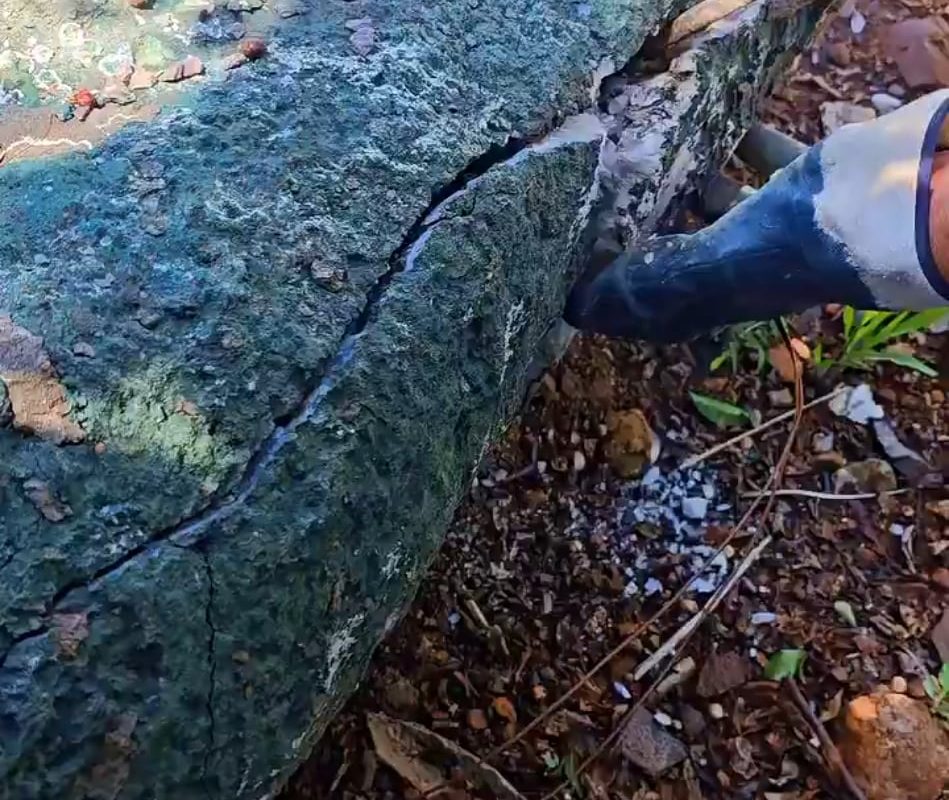
Cracking an Amethyst geode – Crystals inside
Cracking an Amethyst Geode: Unveiling the Hidden Crystals Inside
Meta Description: Discover the thrill of cracking open an amethyst geode! Learn what tools to use, safety tips, and the stunning crystals you might find inside. Perfect for rockhounds and crystal lovers.
The Magic of Amethyst Geodes: What Lies Beneath the Surface
Amethyst geodes are nature’s treasure chests—rough, unassuming rocks on the outside, but glittering with vibrant purple crystals within. Found in volcanic regions worldwide, these geodes form over millions of years when gas bubbles trapped in cooling lava are filled with mineral-rich water. As silica and trace minerals crystallize, they create the stunning amethyst formations we know and love. But cracking one open is more than just a fun activity—it’s a journey into Earth’s geological wonders. Here’s how to safely reveal the hidden beauty inside an amethyst geode and what you might discover.
Why Crack Open an Amethyst Geode?
- Unmatched Beauty: Amethyst, a violet-hued quartz, symbolizes peace and clarity. Its crystals range from pale lilac to deep purple.
- Scientific Wonder: Geodes teach us about mineral formation, volcanic activity, and Earth’s history.
- DIY Adventure: Breaking a geode is a hands-on experience ideal for hobbyists, families, or classroom projects.
Tools You’ll Need to Crack a Geode
Before you start, gather these essentials:
- Safety Gear: Gloves and goggles to protect against sharp shards.
- Geode Cracking Tools:
- Hammer & Chisel: Best for controlled splitting.
- Rock Saw: Ideal for precise cuts (requires skill).
- Geode Cracker Kit: A specialized vise-like tool for clean breaks.
- Soft Cloth or Towel: To wrap the geode and contain debris.
Pro Tip: Smaller geodes can sometimes be split with a standard hammer, but larger ones may require heavier tools.
Step-By-Step Guide to Cracking Your Geode
- Inspect the Geode: Look for natural fault lines or ridges—these indicate weaker spots ideal for splitting.
- Wrap and Secure: Place the geode in a cloth bag or towel to prevent flying fragments.
- Strike Strategically: Use a chisel along the geode’s seam or gently tap with a hammer. For best results, aim for the center.
- Reveal the Crystals: Slowly open the geode to expose the interior. Avoid forcing it—patience preserves delicate crystals!
Warning: Never strike a geode without eye protection. High-pressure geodes can explode unpredictably.
What’s Inside? Discovering Amethyst Crystals
When you crack open an amethyst geode, you might find:
- Vibrant Purple Quartz: Ranging from tiny druzy crystals to large, cathedral-like points.
- Color Variations: Iron impurities create shades from lavender to reddish “chestnut” amethyst.
- Other Minerals: Some geodes contain calcite, agate bands, or even small fossils.
Fact: The deeper the purple, the higher the iron content and value. Uruguayan and Brazilian geodes are prized for their rich color.
What If My Geode Looks Empty?
Not every geode holds dazzling crystals—some may be hollow or lined with plain quartz. If disappointed, remember:
- Soak in Vinegar: Dissolves limestone debris, possibly revealing hidden crystals.
- Cut a Slice: Use a rock saw to create polished cross-sections.
Pro Tip: Buy geodes from trusted sellers who label them as “guaranteed crystal-bearing.”
Preserving Your Amethyst Geode
After cracking:
- Clean Gently: Use soapy water and a soft brush—avoid harsh chemicals that dull the crystals.
- Display: Showcase halves on stands, embed in resin, or turn pieces into jewelry.
- Enhance Color: Brief sunlight exposure deepens purple hues (prolonged UV light fades them).
Where to Find Amethyst Geodes
You can source geodes from:
- Rock Shops: Often sell pre-cracked or uncracked geodes.
- Online Retailers: Etsy, eBay, and specialty mineral sites.
- Dig Sites: Mines in Brazil, Uruguay, and the U.S. (Arizona, Nevada) offer public digs.
FAQs About Amethyst Geodes
Q: How do I know if a rock is a geode?
A: Geodes are round, lightweight, and may rattle if shaken (from loose crystals inside).
Q: Are synthetic geodes real?
A: Lab-grown “geodes” exist but lack natural imperfections. Authentic geodes feel colder and heavier.
Q: Can I polish the crystals myself?
A: Yes! Use a rotary tool with diamond-tipped bits for amateur polishing.
Final Thoughts
Cracking an amethyst geode is a blend of science, art, and adventure. Whether you’re a budding geologist or a crystal enthusiast, revealing those sparkling purple interiors never loses its magic. With the right tools and techniques, you’ll uncover nature’s hidden masterpieces—one satisfying crack at a time.
Ready to start your geode journey? Grab a hammer, stay safe, and let the treasure hunt begin!
Keywords for SEO: crack amethyst geode, crystals inside geode, how to open a geode, amethyst geode crystals, geode cracking tools, what’s inside a geode, DIY geode cracking, preserving amethyst geodes.