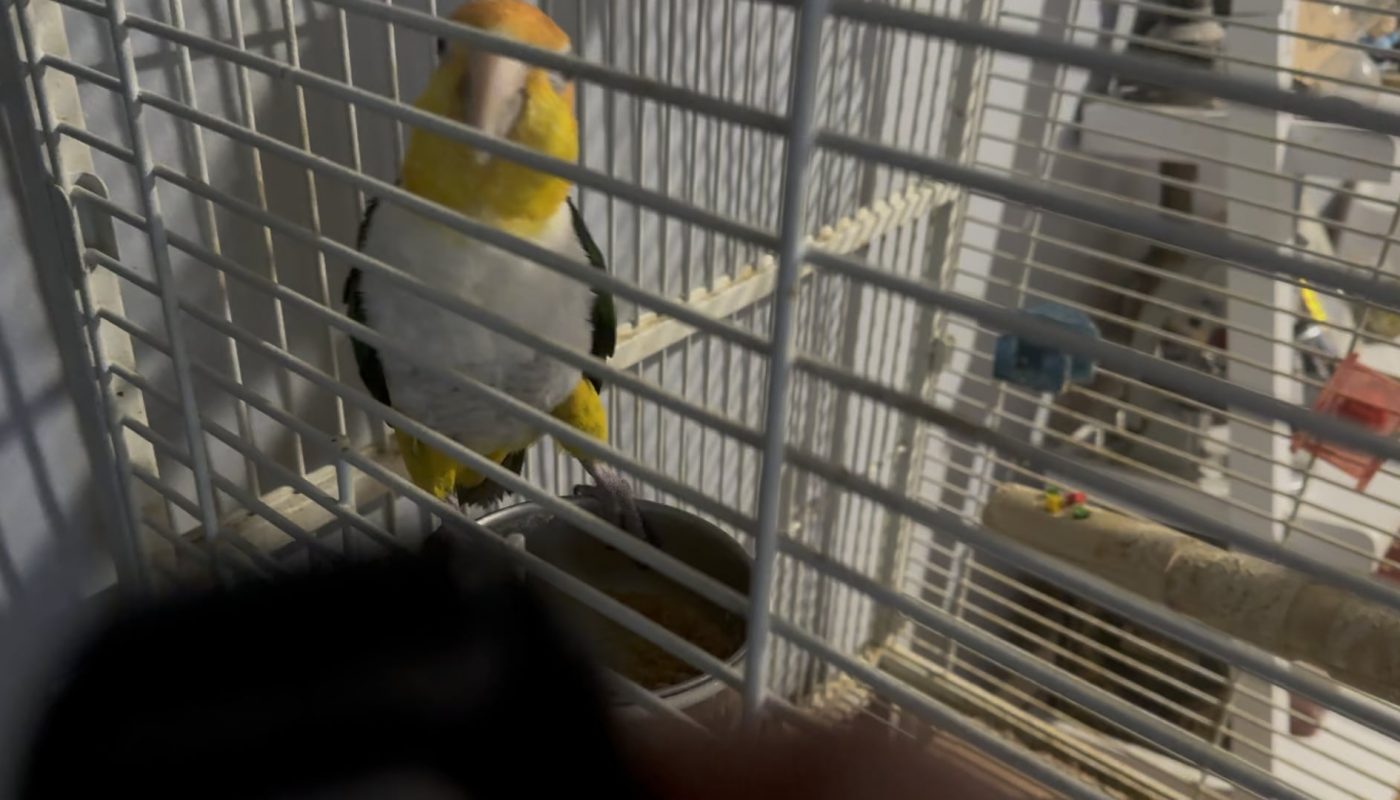
My bird has learned to accurately mimic my car remote noise precisely
Title: “Why Does My Bird Mimic My Car Remote? Understanding Avian Sound Mimicry (and How to Manage It!)”
Meta Description: Discover why your bird mimics your car remote’s beep, the science behind avian mimicry, and how to foster healthy sound imitation while avoiding stress.
Introduction
If your feathered friend has started flawlessly replicating the beep-beep of your car remote or the chirp of your alarm system, you’re witnessing one of nature’s most impressive talents: avian vocal mimicry! While hilarious (and slightly uncanny), this behavior offers a fascinating glimpse into your bird’s intelligence and social instincts. Let’s dive into why birds mimic human-made sounds, whether it’s harmless fun or a sign to address, and how to respond.
1. Why Birds Mimic Sounds: The Science of Feathered Copycats
Birds, especially parrots, mynas, and corvids, mimic sounds as a natural survival and social skill. In the wild, they replicate calls from their flock, predators, or environmental noises to bond, warn others, or claim territory. At home, you and your daily routines are their flock – so your phone ringtone, microwave beep, or car remote becomes fair game!
Key reasons behind the mimicry:
- Social Bonding: Your bird associates the sound with your presence/attention (e.g., you pressing the remote before leaving/returning).
- Environmental Enrichment: Mimicking novel sounds is mentally stimulating.
- Attention-Seeking: If you laugh or react when they mimic, they’ll repeat the behavior.
2. Why Your Car Remote? Breaking Down the ‘Beep’ Obsession
Car remotes are a prime target for mimicry for several reasons:
- High-Pitched & Repetitive: The short, sharp beep falls within many birds’ vocal range and is easy to replicate.
- Predictable Association: Your bird notices you press the remote before leaving home (a highly charged emotional moment for them).
- Owner Reaction: Your surprise (“Did I just lock the car? Oh, wait—it’s YOU!”) rewards the behavior with attention.
3. Is Mimicking the Car Remote Harmful?
In most cases, no—it’s simply your bird exploring its vocal abilities. However, watch for these red flags:
- Stress Repetition: Mimicking nonstop could signal boredom or anxiety, especially if paired with feather plucking or aggression.
- Triggering Anxiety: If the sound is linked to you leaving, your bird might start associating mimicry with your absence, growing agitated.
4. How to Respond: Training & Enrichment Tips
A. Encourage Healthy Mimicry
- Praise & Reward: If the sound doesn’t bother you, respond with enthusiasm! Say “Good bird!” or offer a treat to reinforce positive bonding.
- Redirect to New Sounds: Teach your bird whistles, words, or melodies to broaden their “playlist.”
B. Discourage Over-Repetition
- Avoid Reinforcing Stress: If the beeping becomes excessive, don’t react. Walk away calmly to avoid rewarding the behavior.
- Train a “Quiet” Cue: Use a gentle command like “Enough” paired with a hand signal. Reward silence immediately.
C. Address Underlying Causes
- Combat Boredom: Offer puzzle toys, foraging activities, and 3–4 hours of supervised out-of-cage time daily.
- Reduce Departure Stress: Keep exits low-key. Practice short “mock departures” to desensitize your bird to your comings/goings.
5. Embrace the Quirk (Safely!)
At its core, this talent showcases your bird’s remarkable cognitive skills. Just ensure:
- Your remote’s actual sound isn’t deafening (some car alarms can stress sensitive birds).
- Your bird has plenty of other vocal outlets to stay engaged.
Final Thought: Your car remote-mimicking bird isn’t just showing off—they’re trying to communicate, bond, and master their sonic world. With patience and enrichment, you can enjoy their hilarious impressions without the cacophony!
Keywords for SEO: bird mimics car remote, parrot mimicking sounds, why birds mimic beeping, bird vocal mimicry, bird behavior car alarm, stop bird screaming, parrot training sounds, avian enrichment, bird boredom signs, bird anxiety mimicry.
Ready to explore more? Share your bird’s quirkiest mimicry stories in the comments below – or learn how to teach them new sounds with our step-by-step guide! 🚗🦜