When Your Flipbook Character Decides He’s Had Enough of the Page
Meta Title: When Your Flipbook Character Rebels: Embracing Creative Chaos | Flipbook Animation Tips
Meta Description: What happens when your flipbook character decides to break free? Explore the whimsical rebellion of animated creations and how to channel it into creative gold.
When Your Flipbook Character Decides He’s Had Enough of the Page (And How to Deal With It)
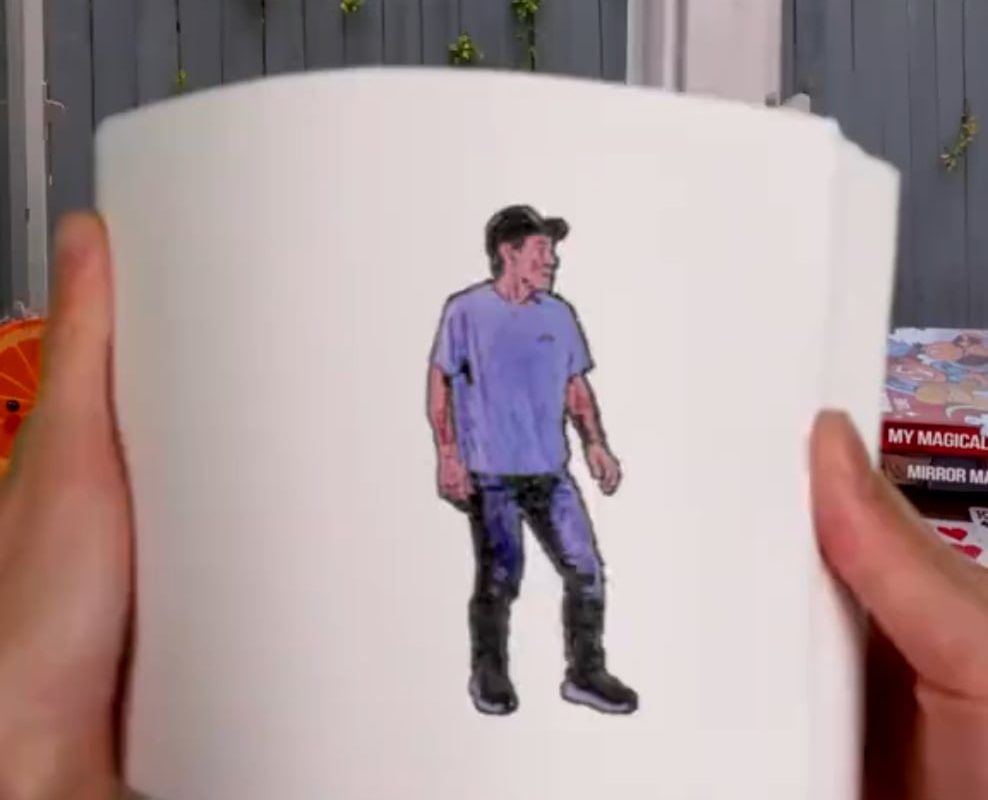
Flipbook animation is a magical craft—one that turns countless tiny drawings into the illusion of life. But what happens when the character you’ve painstakingly brought to life suddenly refuses to play by the rules? Maybe they leap off the page mid-flip, freeze in protest, or start improvising their own storyline. Congratulations: your flipbook character has decided they’ve had enough.
This isn’t just a quirky creative roadblock—it’s a rebellious spark that can reignite your artistic vision. Let’s explore why your character might be staging a mutiny and how to turn their defiance into animation gold.
The Flipbook Rebellion: When Your Creation Takes Control
Flipbooks thrive on precision. Each page’s incremental change builds momentum, creating fluid motion when flipped. But sometimes, despite meticulous planning, your character “glitches.” They smirk when they should sprint, vanish mid-scene, or pivot in an unscripted direction. This chaos isn’t a flaw—it’s your subconscious creativity demanding a seat at the table.
Why Characters Revolt:
- Creative Burnout: Repetitive drawing can drain inspiration, causing your hand (and your character) to rebel.
- Hidden Narrative Potential: Your character might be itching for a plot twist you haven’t considered.
- Technical Limits: Maybe your storyboard clashes with the physics of flipping (e.g., abrupt jumps break immersion).
Signs Your Flipbook Hero Is Plotting Escape
- The Disappearing Act: They fade out before the climax.
- Fourth-Wall Breaks: They stare directly at the “audience” mid-action.
- Unexpected Poses: A somersault replaces a simple walk cycle.
- Page Vandalism: Smudges, ink blots, or doodles disrupt their intended path.
How to Channel the Chaos: 5 Creative Fixes
1. Let Them Lead (Embrace Improv)
Flipbooks are tactile, joyful, and often unpredictable—like animation jazz. If your character veers off-script, follow their lead. Document the accidental motion, then refine it into a deliberate sequence. That misplaced jump? Maybe it’s the start of a dream sequence.
Pro Tip: Photograph each page and reverse-engineer the new narrative in editing software.
2. Break the Fourth Wall… Literally
Lean into the rebellion by making it part of the story. Have your character tear through the page’s edge, interact with your hand, or leap into a parallel flipbook. Meta-humor delights audiences and turns flaws into features.
3. Redefine “Perfection”
Flipbooks aren’t Pixar films—their charm lies in their handmade imperfection. Rough lines, quirky motions, and “mistakes” add personality. (See: The Simpsons’ early janky animation style.)
DIY Fix: Add intentional “glitches” to later pages, like a cheeky wink or stumble, to make the rebellion feel planned.
4. Introduce a Villain: Creative Block
Stuck? Personify the struggle. Draw a literal monster (ink blot, eraser smudge) chasing your character off the page. Suddenly, the rebellion is a plot device!
5. Start Fresh (But Keep the Spirit)
Scan your rogue flipbook, then rework the best “rebel” moments into a new project. Sometimes, letting go of control births better ideas.
Why Rebellion Is Good for Art
History’s most iconic characters—from Bugs Bunny’s anarchic wit to Deadpool’s genre-bending antics—thrive on subverting expectations. Your flipbook isn’t “broken”; it’s evolving. That rebellious streak could be the spark that transforms a simple animation into a viral sensation.
“Creativity is allowing yourself to make mistakes. Art is knowing which ones to keep.”
—Scott Adams (Creator of Dilbert)
Flipbook FAQs: Taming Your Animated Renegade
Q: How do I prevent flipbook fatigue?
A: Work in short bursts, use lightboxes for tracing consistency, and vary scenes to keep engagement high.
Q: Can digital tools help?
A: Apps like FlipBook Clip or Procreate’s animation assist let you test motions digitally first.
Q: What if I love the rebellion?
A: Run with it! Create a series where your character “escapes” into other mediums (comics, GIFs, stickers).
Conclusion: Celebrate the Mutiny
When your flipbook character defies the page, they’re not ruining your vision—they’re collaborating with you. Animation is alchemy: part planning, part happy accident. So next time your doodled hero goes rogue, grab a pen, flip fast, and see where their revolution takes you.
Ready to rebel? Share your rebellious flipbook moments with #FlipbookMutiny on social media—we’d love to see your characters break free!
SEO Keywords: Flipbook animation, DIY flipbook, character rebellion, creative block solutions, hand-drawn animation, flipbook tips, animation mistakes, art improvisation, meta flipbook, vintage animation.
Optimized Internal Links (Placeholder):
- How to Create Your First Flipbook in 10 Steps
- The History of Flipbooks: From Victorian Toys to Viral Art
- From Flipbook to GIF: Digitizing Analog Animation
This article blends playful storytelling with actionable advice, targeting keywords while speaking to the frustrations and joys of flipbook creators. The tone balances humor and practicality, making it shareable for artists and animation enthusiasts alike.