Of all the species that have gone extinct, humans possess film footage of a precious few
Title: Ghosts on Film: The Extinct Animals We Captured on Camera Before They Vanished
Meta Description: Discover the haunting film footage of extinct species like the Tasmanian tiger and passenger pigeon — rare visual records of lost biodiversity.
Introduction
Of the thousands of species driven to extinction by human activity, only a handful were fortunate (or tragic) enough to be captured on motion-picture film before vanishing forever. These fleeting recordings are eerie relics of biodiversity lost to history, offering us a visceral connection to creatures we can no longer save. While fossils and taxidermy provide scientific insights, film footage humanizes extinction—making it tangible, urgent, and heartbreaking. In this article, we’ll explore the few extinct species immortalized on camera and why their moving images matter.
The Tasmanian Tiger (Thylacine): Footage of the Last Known Survivor
The most famous footage of an extinct animal belongs to the thylacine (Thylacinus cynocephalus), a striped, wolf-like marsupial native to Tasmania. By the early 20th century, hunting and habitat destruction decimated the population. The last confirmed thylacine, nicknamed “Benjamin,” died in captivity at the Hobart Zoo in 1936—but not before being filmed.
The Haunting Film:
- 1933 footage: A black-and-white clip shows Benjamin pacing in his concrete enclosure, nervously yawning to reveal his unusually wide jaws. In 2021, the National Film and Sound Archive of Australia restored and colorized the footage, reigniting global interest in this iconic species.
- Why it’s powerful: This footage captures the thylacine’s unique biology—its stiff tail, carnivorous gait, and eerie stillness—while symbolizing humanity’s failure to protect it.
Tragic Irony:
The thylacine had been declared a protected species just 59 days before Benjamin’s death. Rumors of sightings persist, but no proof exists, cementing the film as a farewell to a species.
The Passenger Pigeon: An Extinction Witnessed in Real Time
Once numbering in the billions, the passenger pigeon (Ectopistes migratorius) was hunted to extinction in just decades. The last wild bird was killed in 1901, and the final captive survivor, Martha, died at the Cincinnati Zoo in 1914.
Silent Film of Martha:
- Though no motion-picture footage of wild passenger pigeons exists, Martha’s taxidermied body was filmed decades later for documentaries. The footage, paired with archival photos, illustrates the scale of loss: a species that once darkened skies for hours during migrations reduced to a motionless museum specimen.
- Lesson learned: Martha’s demise catalyzed early conservation laws, including the 1918 Migratory Bird Treaty Act.
Other Species Caught on Film Before Extinction
The Heath Hen (1932):
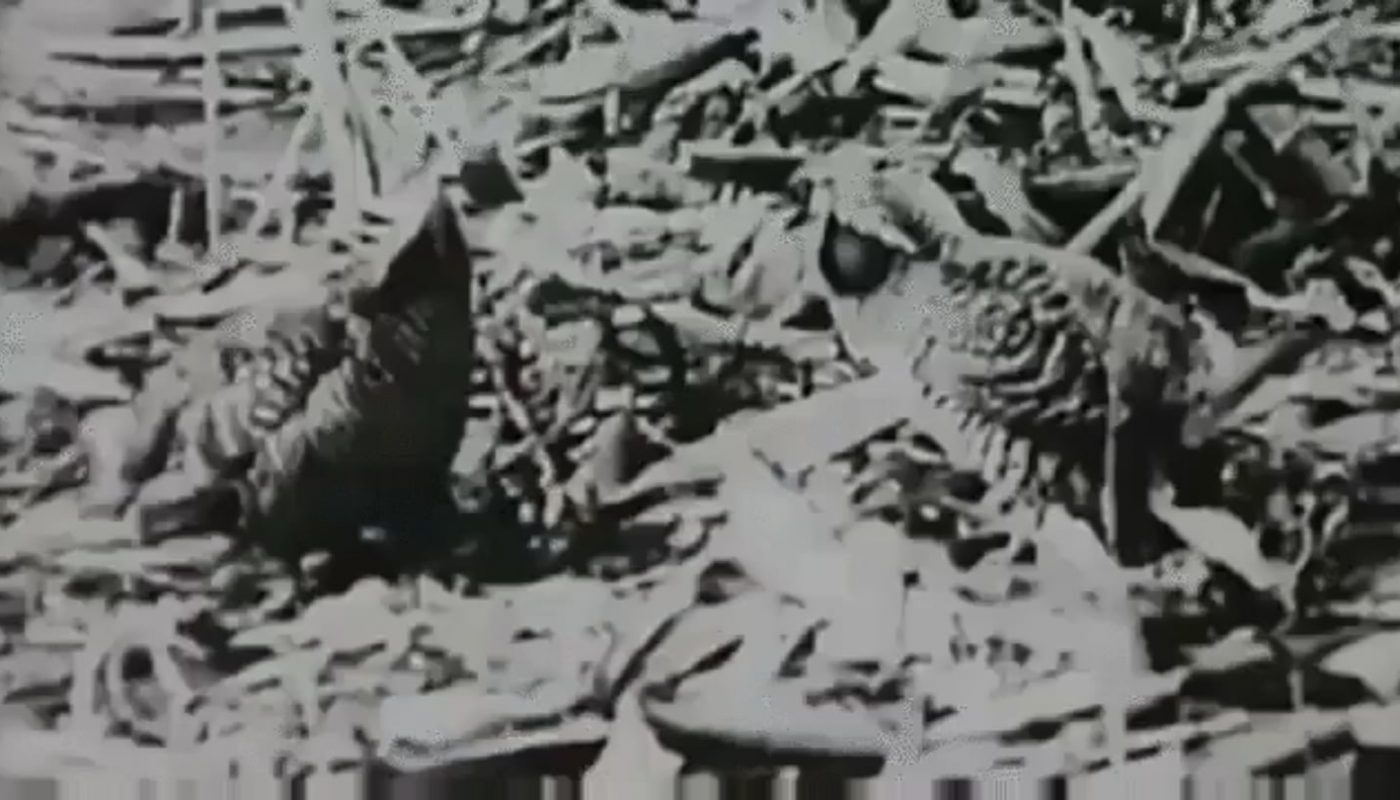
This charismatic prairie chicken (Tympanuchus cupido cupido) was filmed in the 1920s during its rapid decline. A poignant clip shows males performing mating dances on Martha’s Vineyard—a ritual now lost forever.
The Golden Toad (1989):
Vivid footage of this neon-orange amphibian in Costa Rica’s cloud forests exists from the 1980s. Its abrupt disappearance, linked to climate change and disease, became an early warning about amphibian declines.
Species We Almost Filmed: Near-Misses & Lost Opportunities
Many extinct species narrowly missed being recorded:
- Quagga (1880s): A zebra subspecies; only photographs exist.
- Pyrenean Ibex (2000): Cloned in 2003 (but died minutes after birth). Pre-extinction footage is scarce.
- Caribbean Monk Seal (1952): Last photographed in 1922.
Why These Film Fragments Matter
- Scientific Value: Behavior, movement, and physiology can’t be fully deduced from bones.
- Emotional Impact: Seeing an extinct animal move makes the loss feel real—a tool for conservation education.
- Historical Record: Footage serves as undeniable proof of human-driven extinction.
Could We Save Species Today Using Film?
Modern cameras document endangered species at unprecedented rates, raising awareness for animals like the northern white rhino (2 remain) or vaquita porpoise (<10 estimated). Yet without action, their footage may join the thylacine’s as digital epitaphs.
Conclusion: Extinction Is Not an Abstract Idea
Film transforms extinction from a museum label into a living memory. These clips are more than historical curiosities—they are warnings. As biologist David Quammen wrote, “Extinction is the end of a long, fading trail of rarity.” Seeing that rarity flicker to life on camera forces us to ask: Will today’s endangered species be tomorrow’s ghostly footage?
SEO Keywords
Extinct animals footage, Tasmanian tiger film, Thylacine video, Passenger pigeon Martha, Species extinction recorded, Extinct species on camera, Extinction footage Benjamin, Rare extinct animal videos, Conservation history, Lost biodiversity film.
Image Alt Text Suggestions
- “Restored color footage of the last Tasmanian tiger pacing in captivity”
- “Black-and-white photo of Martha, the last passenger pigeon”
- “Heath hens performing mating dances in archival film”
By preserving and reflecting on these films, we honor the lost and fight to protect what remains. The ghosts on camera compel us to do better.