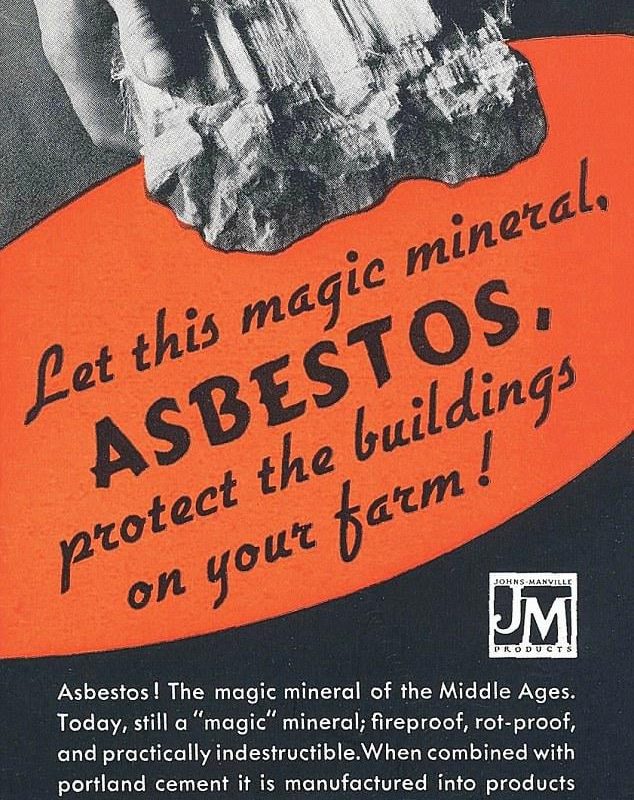
An advertisement for asbestos, 1960s
Title: The Chilling Allure of 1960s Asbestos Ads: Selling a “Miracle Mineral” That Became a Killer
Meta Description: Explore the shocking world of 1960s asbestos advertisements—a dark chapter in advertising history where a deadly carcinogen was marketed as a “wonder material” for homes, schools, and factories.
Introduction: The Golden Age of Asbestos Advertising
In the 1960s, asbestos was everywhere: schools, homes, ships, and even children’s toys. It was hailed as a “miracle mineral,” celebrated for its fireproofing, insulation, and durability. Major corporations like Johns-Manville, Raybestos, and Philip Carey ran bold, colorful advertisements promoting asbestos as essential for modern life—while concealing its lethal dangers. This article delves into the unsettling world of 1960s asbestos ads, revealing how marketing, corporate greed, and ignorance fueled a public health catastrophe that still claims lives today.
The 1960s Asbestos Advertising Playbook
Advertisements from this era portrayed asbestos as sleek, scientific, and indispensable. Here’s how companies sold it:
1. Appealing to Safety & Modernity
- Taglines like “Saves Lives!” emphasized asbestos’s fire-resistant properties in schools, theaters, and factories.
- Ads targeted builders, architects, and homemakers with phrases like “Asbestos: Your Shield Against Fire” or “The Safer Way to Insulate.”
- Visuals showcased families in asbestos-lined homes, children in “fire-safe” schools, and workers in industrial settings surrounded by asbestos insulation.
2. Celebrating Versatility
Asbestos was billed as a “Swiss Army Knife” material:
- Construction: Used in ceiling tiles, pipe insulation, floor coatings, and cement.
- Consumer Goods: Featured in ironing board covers, oven mitts, hairdryers, and even fake snow for holiday decor!
- Automotive: Brake pads, clutch linings, and gaskets were asbestos-heavy.
Example Ad: A 1965 Johns-Manville ad bragged, “Asbestos is Tomorrow’s Material… Tougher Than Steel, Lighter Than Air!”
3. Ignoring (or Hiding) the Science
By the 1960s, internal documents from asbestos companies proved they knew asbestos caused lung disease and cancer—but ads omitted risks entirely. Instead, they used reassuring imagery:
- Doctors in lab coats endorsing asbestos products.
- Happy families surrounded by asbestos-covered pipes.
- Cartoon mascots (like Raybestos’s “Asbesto-Man”) making the material seem friendly.
Why Did Asbestos Thrive in the 1960s?
- Post-War Industrial Boom: Asbestos was cheap and met demand for rapid construction.
- Lobbying Power: The asbestos industry funded pro-asbestos research and influenced regulators.
- Public Ignorance: Few understood the link between asbestos dust and diseases like mesothelioma (a cancer exclusively caused by asbestos).
- Profit Over People: Companies prioritized sales over safety, hiding studies linking asbestos to cancer as early as the 1930s.
The Tragic Reckoning
By the late 1960s, the truth began emerging:
- Workers and miners exposed to asbestos were dying of lung scarring (asbestosis) and mesothelioma at alarming rates.
- Dr. Irving Selikoff’s research in 1964 exposed asbestos as a carcinogen, leading to the first OSHA regulations in 1971.
- Lawsuits surged against asbestos giants, bankrupting companies like Johns-Manville by the 1980s.
Yet, millions had already been exposed—and asbestos-related diseases still kill over 40,000 Americans annually (source: Mesothelioma.com, 2024).
Lessons from 1960s Asbestos Ads
- Question “Miracle” Claims: If a product is marketed as flawless, scrutinize it.
- Trust Whistleblowers: Workers and doctors sounded alarms but were ignored for decades.
- Regulatory Vigilance: Lax oversight allowed corporate negligence to flourish.
- Legacy of Deception: Asbestos ads remain a case study in unethical marketing.
Conclusion: A Deadly Legacy in Print
1960s asbestos advertisements are relics of a time when profit trumped humanity. Today, they serve as grim reminders of corporate malfeasance and the enduring cost of ignorance. While asbestos is now banned in over 60 countries (but not fully banned in the U.S. until 2024!), its victims’ stories persist—a warning to hold industries accountable when science and ethics collide.
Call to Action:
If you or a loved one were exposed to asbestos, seek legal counsel. Visit Mesothelioma.com for resources and support.
SEO Keywords:
1960s asbestos ad, asbestos dangers history, Johns-Manville advertising, midcentury asbestos marketing, mesothelioma causes, asbestos cancer, unethical 1960s ads, industrial carcinogens, asbestos legacy.
Image Alt Text Ideas:
- “1960s asbestos advertisement showing a smiling family in an asbestos-insulated home.”
- “Retro ad for Raybestos brake pads featuring ‘Asbesto-Man’ mascot.”
- “1963 Johns-Manville asbestos ad with doctors in lab coats.”