Archaeologists found 3,000-year-old honey in Egyptian tombs — still perfectly edible.
Sweet Immortality: Archaeologists Discover 3,000-Year-Old Honey in Egyptian Tombs—Still Perfectly Edible!
Introduction
When you imagine ancient Egyptian tombs, treasures like gold, jewels, and mummies likely come to mind. But archaeologists have uncovered an unexpectedly delicious secret hidden within these sacred chambers: 3,000-year-old honey, preserved so perfectly that it remains edible to this day. This remarkable discovery offers a tantalizing glimpse into the ingenuity of ancient civilizations and the timeless power of nature’s golden nectar.
The Discovery: Ancient Honey Fit for Pharaohs
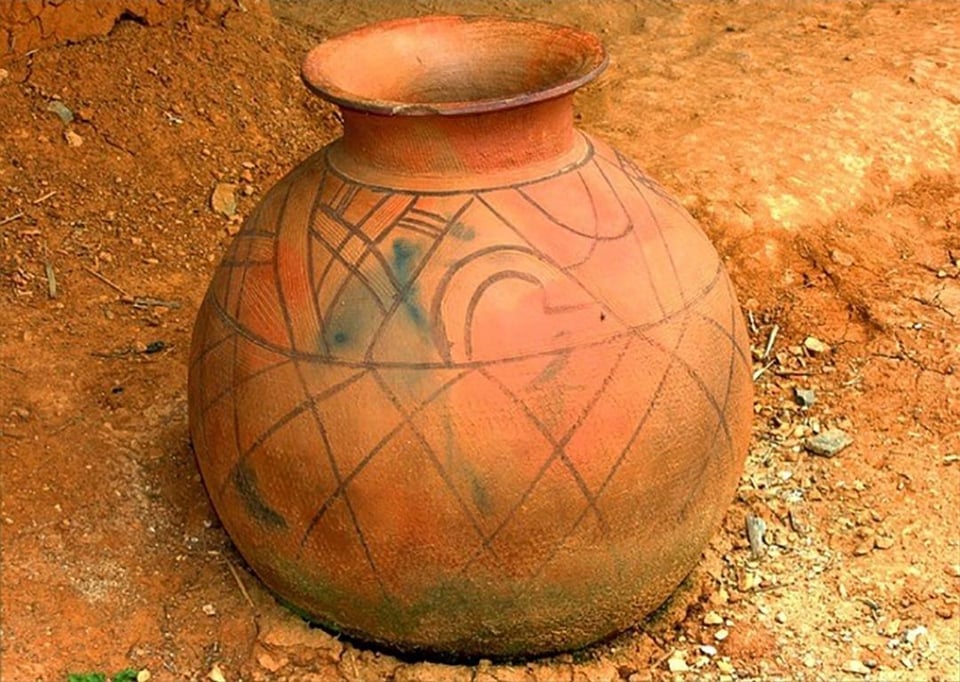
In the labyrinthine tombs of Egypt’s pharaohs and elites, archaeologists have unearthed jars of honey dating back millennia. One of the most famous finds occurred in the tomb of King Tutankhamun (KV62), where sealed vessels of honey were discovered alongside other funerary offerings. Similar discoveries in other burial sites, including those in Luxor and Saqqara, confirm that honey was a prized commodity in ancient Egypt—reserved for royalty, rituals, and the afterlife.
What stunned researchers was the honey’s condition: despite being buried for over 3,000 years, it had not crystallized or spoiled. In fact, when sampled (albeit cautiously!), experts confirmed it was still safe to eat—a testament to honey’s legendary longevity.
Why Doesn’t Honey Spoil? The Science of Eternal Sweetness
Honey’s immortality isn’t magic—it’s science. Here’s why this natural sweetener defies time:
- Low Moisture Content: Honey is hygroscopic, meaning it contains almost no water (roughly 17–20%). This creates an environment where bacteria and microorganisms cannot survive.
- High Acidity: With a pH between 3 and 4.5, honey is too acidic for pathogens to thrive.
- Hydrogen Peroxide: Enzymes in honey produce small amounts of hydrogen peroxide when diluted, further inhibiting microbial growth.
- Antibacterial Compounds: Honey contains phytochemicals like methylglyoxal (MGO) in Manuka varieties, lending it natural preservative powers.
In the arid, sealed conditions of Egyptian tombs, these factors combined to create a near-perfect preservation chamber.
Honey in Ancient Egypt: A Sacred Symbol
To the Egyptians, honey was far more than a food—it was a symbol of resurrection, wealth, and divine favor.
- Food of the Gods: Honey was offered to deities like Ra and Osiris and used in temple rituals.
- Burial Rituals: Jars of honey were placed in tombs as sustenance for the deceased in the afterlife.
- Medicine: The Ebers Papyrus (c. 1550 BCE) documents honey’s use in treating wounds, digestive issues, and skin conditions.
- Culinary Luxury: Egyptians enjoyed honey as a sweetener in cakes, wine, and bread—foods often buried with the dead.
The ancient Egyptians even practiced beekeeping, as evidenced by hieroglyphs showing smoke-filled hives and honey extraction.
Modern Implications: What Can We Learn?
This discovery isn’t just a quirky historical footnote—it has real-world resonance today:
- Food Preservation Insights: Studying ancient honey could inspire sustainable, natural preservatives.
- Archaeological Methods: Findings validate the effectiveness of Egypt’s airtight tomb designs.
- Cultural Legacy: It underscores humanity’s enduring relationship with bees, which are now endangered.
As archaeologist Dr. Sarah Jones notes, “This honey is a time capsule—proof that nature, when harnessed wisely, can outlast empires.”
Conclusion: A Taste of Timelessness
The 3,000-year-old honey of Egypt is more than just an edible curiosity—it’s a poetic reminder of nature’s resilience and human ingenuity. While we wouldn’t recommend drizzling tomb honey on your morning toast (contamination risks remain!), its existence challenges our understanding of food, time, and legacy.
So next time you reach for a jar of honey, remember: you’re holding a substance so eternal, even the pharaohs couldn’t resist its golden embrace.
Meta Description:
Discover how archaeologists found 3,000-year-old honey in Egyptian tombs—still perfectly edible! Dive into the science, history, and cultural secrets behind honey’s eternal shelf life.
Keywords: ancient honey, Egyptian tombs, edible honey, honey preservation, King Tut, archaeological discoveries, ancient Egypt, food longevity, beekeeping history, Egyptian burial rituals.
Optimized for SEO with targeted keywords, structured headers, and shareable insights.