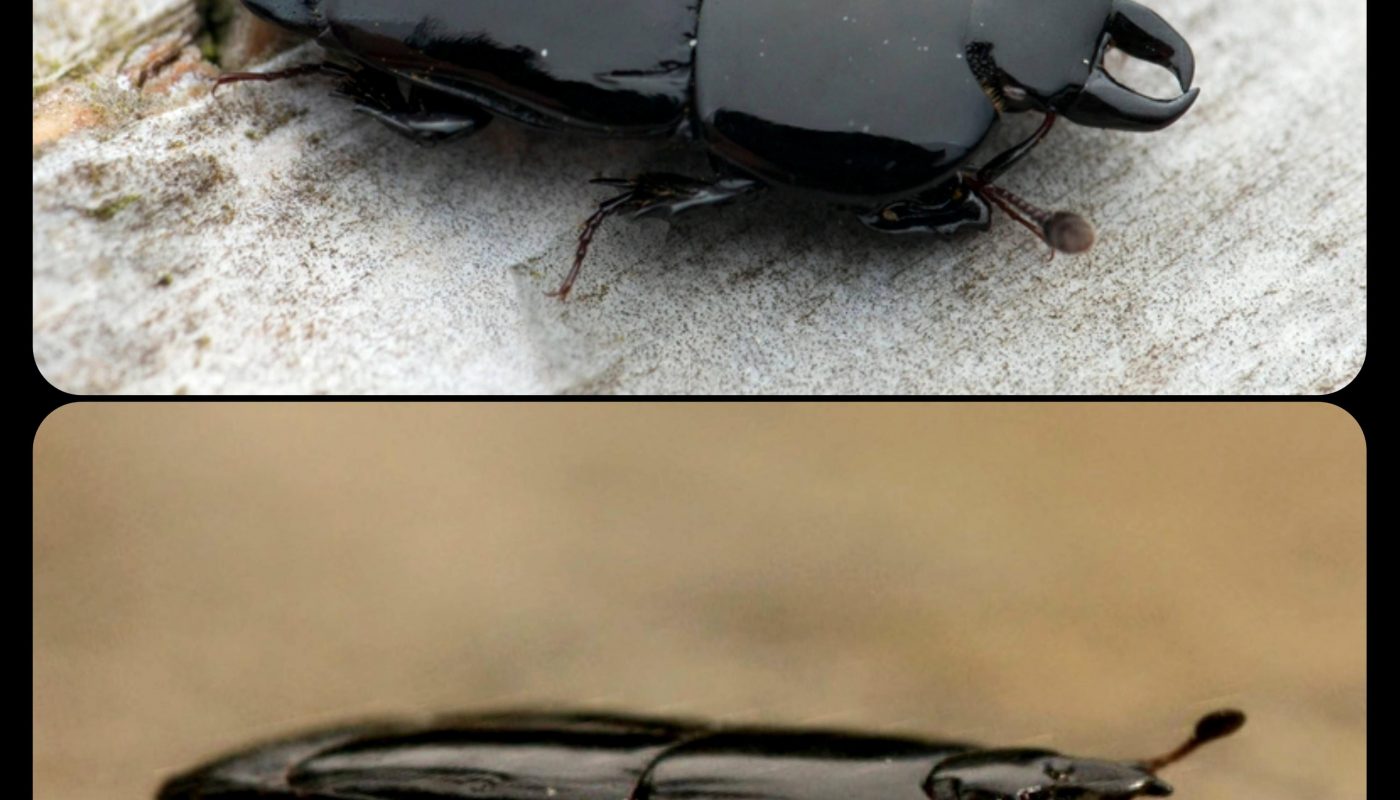
Flattened Clown Beetles: these beetles have a remarkably thin, flat shape that allows them to slide beneath the bark of dead and dying trees, where they feed on the larvae of other invertebrates
Unveiling the Flattened Clown Beetle: Nature’s Stealthy Under-Bark Predator
(Meta Description: Discover how flattened clown beetles use their ultra-thin bodies to thrive beneath tree bark, controlling pest populations and playing a vital role in forest ecosystems.)
The Flattened Clown Beetle: An Evolutionary Marvel
Imagine a beetle so flat it could slip into gaps thinner than a credit card. Meet the flattened clown beetle (Hololepta spp.), a master of stealth whose unique physique allows it to vanish beneath the bark of decaying trees. These beetles are unsung heroes of forest ecosystems, preying on destructive wood-boring larvae and recycling nutrients. In this deep dive, we’ll explore their biology, ecological role, and the secrets behind their extraordinary adaptations.
What Are Flattened Clown Beetles?
Classification & Overview
- Scientific Family: Histeridae (clown or “hister” beetles).
- Key Traits: Ultra-thin, oval-shaped bodies (often ≤2mm thick), hardened exoskeletons, and muted colors like black or brown for camouflage.
- Habitat: Dead or dying trees worldwide, especially in forests and woodlands.
These beetles owe their name to their striking扁平 (flat) form and potentially whimsical movements reminiscent of clown-like behavior. Don’t let the name fool you—their lifestyle is all business.
Built to Squeeze: The Science Behind Their Flat Form
Their anatomy reveals a masterpiece of natural engineering:
- Streamlined Bodies: Flattened from head to abdomen, enabling them to slide under bark crevices imperceptibly.
- Telescopic Legs & Antennae: Retractable limbs tuck tightly against their bodies to avoid snagging.
- Armored Elytra: Wing casings shield their delicate wings and vital organs from crushing in tight spaces.
Why Flatness Matters:
This design lets them access microhabitats where competitors (and predators) can’t follow, turning tree bark into a fortress and hunting ground.
Life Beneath the Bark: Habitat & Hunting Tactics
Flattened clown beetles target dead or decaying trees—particularly pines, oaks, and other species with loose bark. Here, they execute two critical roles:
- Predation: They hunt beetle larvae (e.g., bark beetles, longhorn beetles) and other soft-bodied invertebrates. Using speed and ambush tactics, they puncture prey with sharp mandibles.
- Decomposition Aid: By consuming decomposers, they indirectly speed up wood breakdown, enriching soil nutrients.
Survival Strategy:
Their flatness isn’t just for hunting—it also helps them evade spiders, birds, and larger insects that patrol tree surfaces.
Ecological Impact: Natural Pest Control Champions
Flattened clown beetles provide free, sustainable pest management:
- Bark Beetle Control: They devour larvae of destructive species that plague forests, reducing tree mortality.
- Ecosystem Recycling: Their activity accelerates decomposition, aiding nutrient cycling.
Farmers and foresters value these beetles as allies, though their subtle presence often goes unnoticed.
Distribution & Behavior
- Range: Found globally, with high diversity in North America, Europe, and tropical regions.
- Activity: Nocturnal; they hide during daylight and emerge at night to hunt.
- Reproduction: Females lay eggs under bark; larvae mature into adults within weeks, continuing the cycle.
FAQs: Unmasking the Mysteries
Q: Are flattened clown beetles harmful to humans?
A: No! They lack venom, don’t bite, and pose zero threats—only pests need fear them.
Q: Why “clown” beetle?
A: Theories suggest it references their jerky, “clown-like” scurrying or historic circus associations due to vivid markings in some species.
Q: Can they fly?
A: Yes! They unfold hidden wings beneath their elytra to relocate to new trees.
Q: How to spot them?
A: Peel back loose bark on dead trees—look for swift, disk-shaped insects fleeing deeper into crevices.
Conclusion: Guardians of the Forest’s Underworld
Flattened clown beetles exemplify nature’s ingenuity. Their pancake-thin bodies unlock hidden worlds beneath tree bark, where they wage a silent war against pests and sustain forest health. By protecting deadwood habitats, we safeguard these miniature ecosystem engineers—proof that even the flattest creatures can stand tall in ecological importance.
Image Ideas for Enhanced Engagement:
- Macro photo of a flattened clown beetle mid-crawl under bark.
- Infographic comparing beetle thickness to coins/credit cards.
- Side-by-side images showing their prey (e.g., bark beetle larvae).
Optimized for Keywords: flattened clown beetles, thin flat beetles, bark-dwelling beetles, natural pest control beetles, Hololepta beetles.