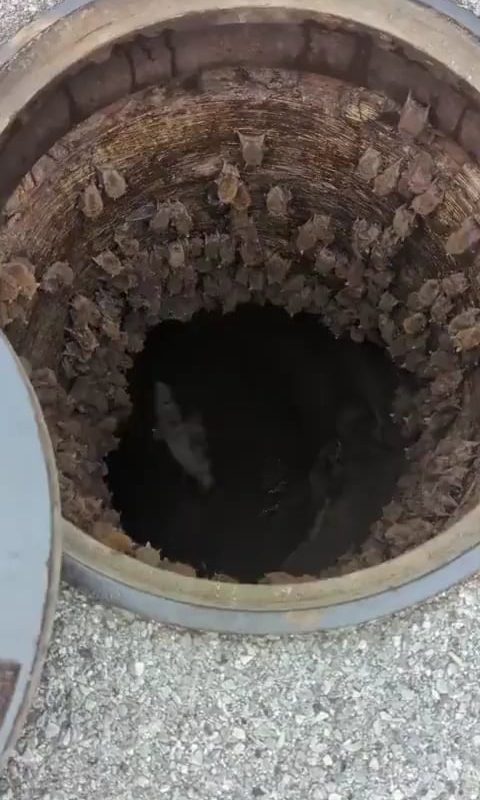
A Manhole filled with bats – Batcave ?
Title: When a Manhole Becomes a Batcave: The Surprising Urban Habitat of Bats
Meta Description: Discover how ordinary manholes transform into accidental batcaves, exploring the science, risks, and conservation efforts behind these urban wildlife phenomena.
A Manhole Filled with Bats: Nature’s Dark, Unexpected Habitat
Picture this: you’re walking down a city street when you notice a metal manhole cover slightly ajar. As you peer inside, a flurry of wings erupts—dozens or even hundreds of bats spiral upward into the twilight. This isn’t Gotham City, but the real-world “Batcave” beneath your feet! While bats typically roost in caves, forests, or attics, they occasionally turn storm drains, sewers, and manholes into temporary homes. But how and why does this happen? Let’s dive into the fascinating intersection of urban infrastructure and bat ecology.
Why Do Bats Choose Manholes?
Bats seek out dark, sheltered spaces that mimic their natural roosts—and manholes check all the boxes:
- Temperature Control: Underground structures maintain stable temperatures, critical for bats’ survival during extreme weather.
- Safety from Predators: Enclosed spaces protect bats from owls, hawks, and raccoons.
- Proximity to Food: Cities often host insect populations near artificial lights, creating a buffet for bats feasting on mosquitoes and moths.
Species like the Mexican free-tailed bat (common in the southern U.S. and Latin America) or the little brown bat (widespread in North America) are most likely to exploit these urban crevices due to their adaptability.
The Risks: When Bats and Humans Collide
While bats provide free pest control (a single bat eats up to 1,000 insects nightly!), their manhole residency isn’t always welcome:
- Public Safety: Bats in manholes can startle pedestrians or workers accessing underground utilities.
- Disease Concerns: Though rare, bats can carry rabies. Direct contact should be avoided.
- Infrastructure Issues: Guano (bat droppings) may corrode metal or block drainage systems over time.
However, experts emphasize that bats pose little threat when left undisturbed. Most conflicts arise from accidental encounters or demolition work.
Conservation in the Concrete Jungle
Urbanization often destroys bat habitats, making manholes a paradoxical lifeline for some populations—especially as caves vanish to development. Organizations like Bat Conservation International advocate for coexistence strategies:
- Bat-Friendly Infrastructure: Designing grates or culverts with small gaps to deter roosting in high-risk areas.
- Relocation Programs: Safely evicting colonies to purpose-built bat houses nearby.
- Public Education: Dispelling myths about bats (e.g., they’re not blind!) and promoting their ecological value.
Cities like Austin, Texas—home to the famous Congress Avenue Bridge bat colony—show how urban planning can protect both people and wildlife.
What to Do If You Find Bats in a Manhole
- Don’t Disturb Them: Bats are protected in many regions. Avoid handling or blocking exits.
- Report the Sighting: Contact local wildlife authorities or bat rescue groups—they’ll assess if relocation is needed.
- Secure the Area: If the manhole is damaged, alert municipal services to prevent falls or escapes.
FAQs: Uncovering the Mystery of Urban Batcaves
Q: Are bats in manholes common?
A: It’s rare but increasing as natural habitats shrink. Most sightings occur in warmer months or during migration.
Q: Do bats stay in manholes forever?
A: No—they often use them seasonally. Colonies relocate based on food availability and temperature.
Q: Can I turn a manhole into a bat sanctuary?
A: Not recommended! Manholes are unsafe and unsuitable. Instead, install bat boxes in nearby parks or gardens.
Q: Why don’t Batman’s bats live in sewers?
A: Hollywood creative liberties aside, real-world bats prefer higher, drier spaces. Manholes are last resorts!
Final Thoughts: Embrace the Unexpected
Next time you pass a manhole, remember—it might just be hiding a secret ecosystem. While a “Batcave” beneath the sidewalk sounds surreal, it’s a powerful reminder of nature’s adaptability. By understanding and respecting these urban dwellers, we can build cities that thrive alongside wildlife, not against it.
SEO Keywords: bats in manholes, urban bat habitat, manhole batcave, bat conservation, bats in cities, Mexican free-tailed bat, wildlife in sewers, bat roosting, bat ecology, city infrastructure and wildlife.
Image Alt-Text Suggestions:
- “Bats emerging from a city manhole at dusk”
- “Close-up of bats roosting in an underground drainage pipe”
- “Bat conservationist inspecting a manhole for bat activity”
By blending curiosity with facts, this article taps into viral potential while educating readers on urban ecology. Whether shared as trivia or used for conservation advocacy, the “manhole batcave” is a story worth telling! 🦇💡