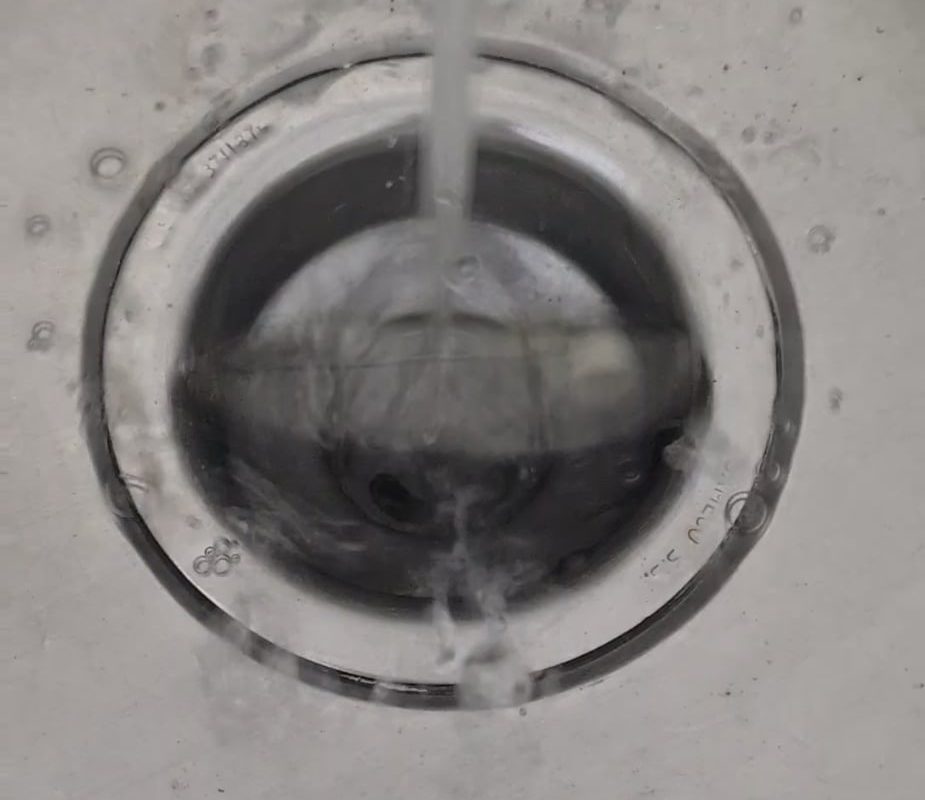
This lid in my drain.
Title: “Drain Lid Basics: What It Is, Why It Matters, and How to Fix Common Problems”
Introduction
If you’ve ever peered into your sink or bathtub drain and questioned the purpose of that tiny lid or cover, you’re not alone! Drain lids (often called stoppers, strainers, or covers) play a surprisingly vital role in your plumbing system. In this guide, we’ll break down what that mysterious lid does, why it’s there, and how to troubleshoot issues when things go wrong.
What Is a Drain Lid?
The “lid” in your drain is typically a removable or adjustable component designed to:
- Prevent debris (like hair, food scraps, or soap residue) from clogging pipes.
- Control water flow (e.g., filling a sink or bathtub by sealing the drain).
- Act as a safety barrier to keep small objects from falling into pipes.
Common types include:
- Pop-up stoppers (kitchen/bath sinks, operated by a lever).
- Strainer covers (shower/bathtub drains with small holes).
- Push-and-pull stoppers (manual sink plugs).
Why Is Your Drain Lid Important?
A malfunctioning or missing lid can lead to:
- Clogs: Without a strainer, debris enters pipes and causes blockages.
- Odors: Trapped gunk under the lid breeds bacteria and bad smells.
- Slow drainage: Improper sealing disrupts water flow.
- Plumbing damage: Foreign objects (e.g., jewelry) can damage pipes.
Common Drain Lid Problems (and Solutions)
1. The Lid Won’t Stay Closed
- Cause: Worn-out mechanical parts (e.g., spring, hinge) or misalignment.
- Fix: Tighten screws, adjust the linkage beneath the sink, or replace the stopper.
2. Gunk Buildup Under the Lid
- Cause: Accumulated hair, soap scum, or grease.
- Fix: Remove the lid (often twist or pry it off) and clean it with vinegar, baking soda, or a pipe brush.
3. Rust or Corrosion
- Cause: Frequent water exposure (common in metal lids).
- Fix: Replace with a stainless steel, plastic, or silicone lid to resist corrosion.
4. Leaks Around the Lid
- Cause: Cracked lid or failing plumber’s putty/seal.
- Fix: Re-seal the drain assembly or replace the lid entirely.
How to Remove & Clean Your Drain Lid
- Pop-up stoppers: Turn the knob counterclockwise or pull vertically.
- Strainer covers: Pry gently with a flathead screwdriver.
- Push-and-pull stoppers: Unscrew or lift straight out.
Pro tip: Soak the lid in hot water + dish soap, scrub with an old toothbrush, then rinse.
When to Call a Professional
If the drain leaks even after replacing the lid, or if the pipes beneath are damaged, consult a plumber. Persistent clogs may signal deeper pipe issues requiring specialist tools (e.g., drain snakes or hydro-jetting).
Preventative Maintenance Tips
- Clean weekly: Remove and rinse the lid to avoid buildup.
- Use drain guards: Add a fine mesh screen for extra debris protection.
- Avoid harsh chemicals: They can corrode metal lids—opt for natural cleaners instead.
FAQs About Drain Lids
Q: Can I replace the lid myself?
A: Yes! Most hardware stores sell universal stoppers for under $15.
Q: Why does my lid rattle?
A: Loose parts or vibration from water flow—tighten screws or add a rubber washer.
Q: How do I unclog a drain if the lid is stuck?
A: Try a plunger or a mix of baking soda + vinegar. Avoid excessive force to prevent cracks.
Final Thoughts
That little lid in your drain is a small but mighty hero in your home’s plumbing system. Regular maintenance keeps water flowing smoothly and prevents costly repairs down the line. If you’re ever unsure about DIY fixes, don’t hesitate to call a trusted plumber—better safe than soggy!
Need more help? Comment below with your drain lid dilemma!
Keywords for SEO:
- Drain lid replacement
- Fix sink stopper
- Clean drain cover
- Bathtub drain strainer
- Pop-up stopper repair
- Prevent drain clogs
- Remove drain cover
- Drain maintenance tips