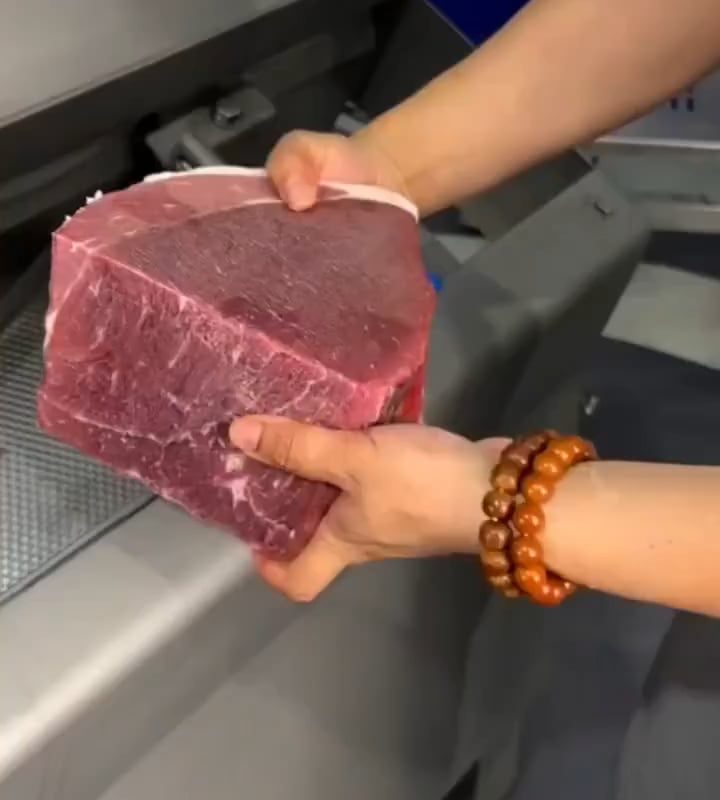
Meat cutting machine
The Ultimate Guide to Meat Cutting Machines: Boosting Efficiency in Modern Food Processing
In today’s fast-paced food industry, precision, speed, and consistency are non-negotiable. Whether you’re running a butcher shop, restaurant, or large-scale meat-processing plant, investing in a high-quality meat cutting machine can revolutionize your operations. From reducing labor costs to improving food safety, these machines are game-changers. In this comprehensive guide, we’ll explore the types, benefits, and key considerations when choosing the best meat cutting machine for your business.
What Is a Meat Cutting Machine?
A meat cutting machine is an automated or semi-automated device designed to slice, dice, grind, or portion raw or processed meats with unmatched accuracy. These machines replace manual labor, ensuring uniform cuts while minimizing waste and contamination risks. Common applications include slicing deli meats, cubing stew beef, grinding burger patties, or portioning poultry.
Types of Meat Cutting Machines
1. Meat Bandsaws
- Ideal for cutting through bones and frozen meat blocks.
- Features: Adjustable blades, safety guards, and sturdy stainless steel construction.
- Best for: Butcheries and processors handling whole carcasses.
2. Electric Meat Slicers
- Perfect for thin, consistent slices of deli meats, roasts, or bacon.
- Features: Variable thickness settings, automatic feeders, and easy-clean blades.
- Best for: Restaurants, delis, and supermarkets.
3. Meat Dicers & Cubers
- Designed to cut meat into uniform cubes for stews, kebabs, or stir-fries.
- Features: Interchangeable blades for custom sizes.
- Best for: Food prep kitchens and catering services.
4. Meat Grinders
- Transform cuts into ground meat for sausages, burgers, or fillings.
- Features: Multiple grinding plates, horsepower options, and durability.
- Best for: Processors and artisanal butchers.
5. Automatic Portioning Machines
- Use sensors and software to divide meat into precise weights/sizes.
- Features: High-speed operation and integration with packaging lines.
- Best for: Industrial meat plants seeking scalability.
Top Benefits of Using a Meat Cutting Machine
- Enhanced Efficiency
- Process large volumes in minutes, reducing labor costs and downtime.
- Consistent Quality
- Eliminate human error: Every slice, cube, or grind meets exact specifications.
- Improved Food Safety
- Minimize hand-contact contamination; many machines have antimicrobial surfaces.
- Reduced Waste
- Precision cutting maximizes yield from each cut of meat.
- Versatility
- Switch between tasks (slicing, dicing, grinding) with modular attachments.
Key Factors to Consider Before Buying
- Production Volume
- Small businesses may opt for compact slicers, while factories need industrial-grade models.
- Type of Meat
- Frozen meat requires bandsaws, while tender cuts work best with slicers.
- Automation Level
- Semi-automatic machines suit budget-conscious buyers; fully automatic models boost throughput.
- Safety Features
- Look for blade guards, emergency stops, and NSF/CE certifications.
- Maintenance & Cleaning
- Choose stainless steel, dishwasher-safe parts for hygiene and longevity.
Cost Considerations & ROI
- Entry-Level Machines: $200–$1,000 (e.g., countertop slicers for cafes).
- Commercial/Industrial Models: $1,500–$20,000+ (e.g., heavy-duty bandsaws or grinders).
- ROI: Faster processing, higher yield, and labor savings often justify the investment within 6–12 months.
Top Brands to Trust
- Hobart: Renowned for durable, commercial-grade slicers and grinders.
- Bizerba: German-engineered precision slicers with smart controls.
- Weston: Budget-friendly options for small businesses.
- Biro: Industry leaders in meat bandsaws and processing equipment.
Maintenance Tips for Longevity
- Clean blades and surfaces after each use to prevent bacterial buildup.
- Sharpen or replace dull blades regularly.
- Lubricate moving parts as per manufacturer guidelines.
- Schedule professional inspections annually.
Local SEO Spotlight: Finding “Meat Cutting Machine Near Me”
Searching locally? Use geo-targeted keywords like “meat cutting machine supplier in [Your City]” or “commercial meat slicer repair services” to find trusted vendors and support. Check reviews on Google My Business or industry forums like Meat Processing Equipment Network.
FAQs About Meat Cutting Machines
Q: Can I use one machine for both meat and vegetables?
A: Some multi-functional models allow this, but dedicated meat cutters ensure food safety compliance.
Q: Are meat cutting machines easy to operate?
A: Yes! Most include user-friendly interfaces, training guides, and customer support.
Q: How long do blades last?
A: Depending on usage, blades last 6–24 months. Stainless steel options offer the best lifespan.
Conclusion: Slice Your Way to Success
Investing in a meat cutting machine isn’t just about keeping up with demand—it’s about staying ahead. With the right equipment, you’ll elevate product quality, streamline workflows, and position your business as a leader in foodservice innovation. Ready to upgrade? Explore top-rated machines today and carve out your competitive edge!
Call-to-Action:
Looking for a meat cutting machine tailored to your needs? Contact our experts for a personalized recommendation or request a demo!
Optimized Keywords:
Meat cutting machine, industrial meat cutter, commercial meat slicer, meat grinding machine, meat bandsaw, butcher equipment, meat processing machine, best meat cutter, food processing equipment.
Meta Description:
Discover how meat cutting machines boost efficiency, safety, and profitability in food processing. Explore types, benefits, and expert buying tips in this ultimate guide!