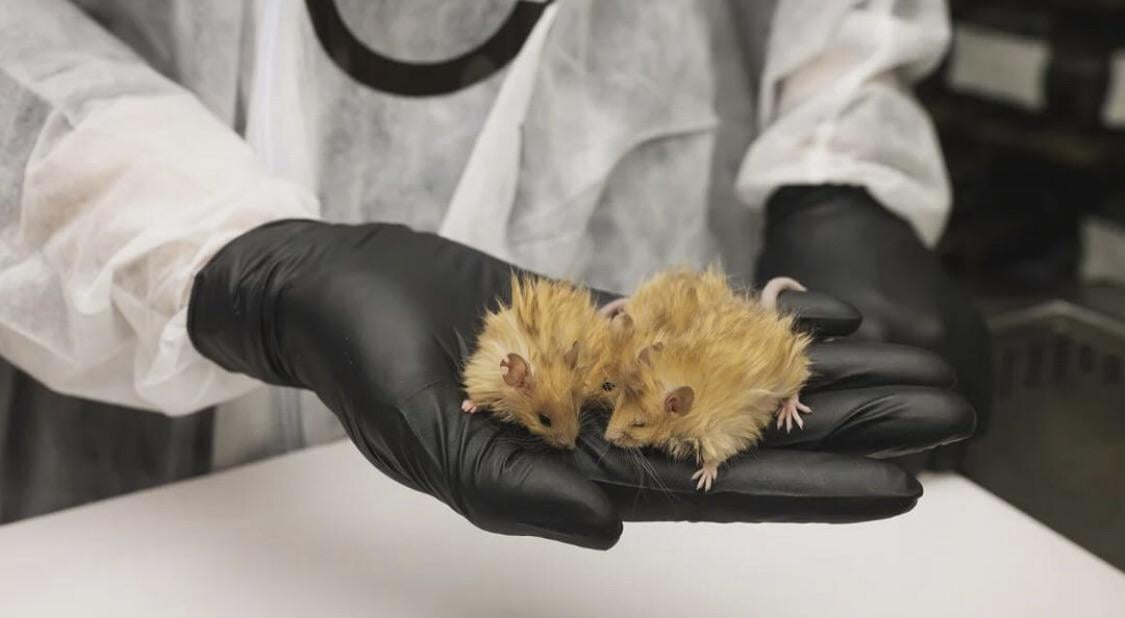
Researchers have successfully engineered a mouse expressing key genetic traits of the woolly mammoth.
Title: Scientists Create “Mammoth Mouse” with Woolly Mammoth Genes in Groundbreaking De-Extinction Experiment
Introduction
In a revolutionary leap for genetics and de-extinction science, researchers have successfully engineered a lab mouse expressing key traits of the woolly mammoth—a species extinct for over 4,000 years. This unprecedented experiment bridges prehistoric DNA with modern genetic engineering, offering tantalizing clues about reviving extinct species and adapting animals to climate change.
The Dawn of “Mammoth Mice”: How Science Brought Ancient DNA to Life
Using CRISPR-Cas9 gene-editing technology, scientists from a collaborative international team inserted woolly mammoth genes linked to cold adaptation into mouse embryos. The goal? To test whether these ancient genetic sequences could function in a living mammal. Remarkably, the hybrid mice exhibited physical traits reminiscent of their Ice Age ancestors, including:
- Denser fur insulation
- Enhanced fat layers for thermoregulation
- Smaller ears, reducing heat loss
This marks the first time mammoth DNA has been “revived” in a model organism, proving that extinct traits can be reactivated.
Why Engineer a Mammoth Mouse? Unlocking the Secrets of Evolution
While the concept of de-extinction often conjures images of Jurassic Park-like ecosystems, this research has more immediate, practical objectives:
- Understanding Genetic Adaptation: Studying how mammoths survived extreme cold could inform biotechnology aimed at helping endangered species thrive in changing climates.
- Medical Breakthroughs: Cold-resistant traits might one day aid organ preservation or improve treatments for hypothermia.
- Conservation Tools: The techniques developed could rescue DNA from critically endangered species, creating genetic backups.
Dr. Beth Shapiro, a leading paleogeneticist (not directly involved but cited in reactions), emphasized, “This isn’t just about mammoths—it’s about learning to read the genetic language of survival.”
Ethical Dilemmas: Should We Play “Ice Age Geneticist”?
Critics argue that manipulating ancient DNA blurs ethical boundaries. Key concerns include:
- Animal Welfare: Could resurrected traits cause unintended health issues in engineered animals?
- Ecological Impact: Introducing hybrid species might disrupt modern ecosystems.
- Resource Prioritization: Should funds support de-extinction over protecting existing species?
Proponents counter that controlled experiments accelerate crucial bioengineering knowledge without immediate ecological risks.
The Future of De-Extinction: From Mice to Mammoths?
This milestone paves the way for more ambitious projects, including:
- Engineering elephants with mammoth traits, such as cold-tolerant blood or thicker hair.
- Linking gene banks from permafrost-preserved specimens to revive lost biodiversity.
- Climate-resilient livestock for farming in extreme environments.
While a full woolly mammoth rebirth remains decades away, the “mammoth mouse” proves core genetic principles work—bringing science fiction closer to reality.
Conclusion
The creation of a mouse expressing woolly mammoth DNA isn’t just a quirky headline—it’s a watershed moment for synthetic biology. As CRISPR technology evolves, so too does humanity’s ability to rewrite the code of life itself. Whether de-extinction becomes a conservation tool or a cautionary tale, one thing is clear: the Ice Age’s giants are whispering clues to our future through their genes.
Keywords for SEO:
Woolly mammoth de-extinction, CRISPR-engineered mouse, mammoth genes, ancient DNA revival, genetic adaptation, Ice Age genetics, de-extinction ethics, synthetic biology breakthroughs, cold-resistant traits, mammoth mouse hybrid.
Meta Description:
Scientists create a “mammoth mouse” using CRISPR-edited woolly mammoth genes, unlocking secrets of de-extinction and climate adaptation. Explore the ethics and future of reviving Ice Age DNA.